


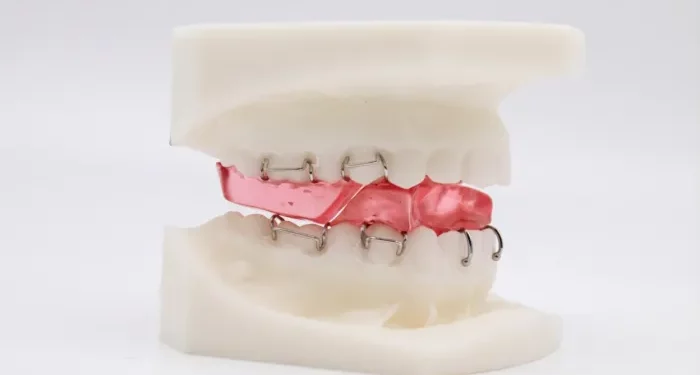
A recent cross-sectional survey has offered new insights into how postgraduate students in pediatric dentistry across India understand and use Twin Block functional therapy for treating Class II malocclusion. The study, conducted among 135 dental students, explored their knowledge, attitudes, and clinical practice related to this specialized orthodontic approach.
Researchers found that while most students had positive attitudes toward Twin Block therapy, many lacked adequate knowledge or practical experience. Only 11.8% of respondents demonstrated sufficient understanding of the therapy, and less than half reported ever treating patients with this condition. Knowledge levels tended to improve with academic progression, as second- and third-year students scored notably higher than first-year students. Government institution students also showed better competency compared to those in private colleges.
The Twin Block appliance is widely recognized for promoting growth and correcting skeletal discrepancies in children. It has proven effective for early treatment, especially during the mixed dentition phase. International dental curricula emphasize the importance of training pediatric dentists in recognizing and treating developing malocclusions, though specific guidance on Twin Block methods varies.
Survey participants reported several challenges, with patient compliance emerging as a major barrier. Most students observed moderate to low compliance among their patients, often recommending part-time appliance usage for comfort, which contrasts with the full-time wear suggested by experts. Despite evidence supporting Twin Block therapy, the gap between theory and practice was clear, highlighting the need for more structured clinical exposure in the postgraduate curriculum.
The study suggests that improved training, including supervised hands-on practice and clearer competency frameworks, could help bridge these gaps. By strengthening educational strategies, institutions may ensure future pediatric dentists are better prepared to manage malocclusion in young patients. The findings are intended as a starting point for educators and curriculum planners looking to align clinical experience with theoretical knowledge.
Tags: orthodontic Read More