


I never thought I’d be embarking on a dental journey at the age of 42. But when it comes to a confident smile, I’m a firm believer in “better late than never.”
I love taking photos. Every year, I create albums of my family, pets, holidays, and travels, and I regularly share them on Instagram.
As someone who is active in front of the camera, I love taking selfies, but over the past five years, I’ve become increasingly bothered by the crooked top teeth I have.
Friends and family always say “you can’t even tell,” but my eyes always wander to them whenever I take a photo.
When I was younger, it wasn’t a big deal. But as I got older, I began to notice that my teeth were constantly moving. Tooth wear, chewing, and even genetic factors all affect their position and shape. The changes became more noticeable in my 30s.
At first, I thought that if I missed my teenage years, I’d missed the best time to get braces. After all, braces are traditionally considered to be “for young people.”
Until one day, I noticed that my friends and relatives—all in their 30s and 40s—had begun orthodontic treatment. I began to seriously consider whether I was also suitable.
I have had bad teeth since I was a child. When I was young, I loved eating sweets, which led to a series of fillings, crowns, and root canal treatments. To be honest, I am also afraid of the chilling “drill sound” of the dentist.
But at the beginning of 2024, a routine teeth cleaning alerted me – my lower teeth were obviously shifted, cleaning became difficult, plaque accumulated, and even dental floss was useless.
The dentist also recommended interdental brushes to me and referred me to a periodontist. The health alarm bell finally rang.
After weighing the considerations of beauty and health, I decided to take action. So I contacted Gleeson Dental in Killarney, County Kerry, and started Invisalign treatment through clearbraces.ie.
So, what is Invisalign?
Invisalign is an invisible correction technology that uses a series of transparent, removable braces to gradually move teeth to the ideal position.
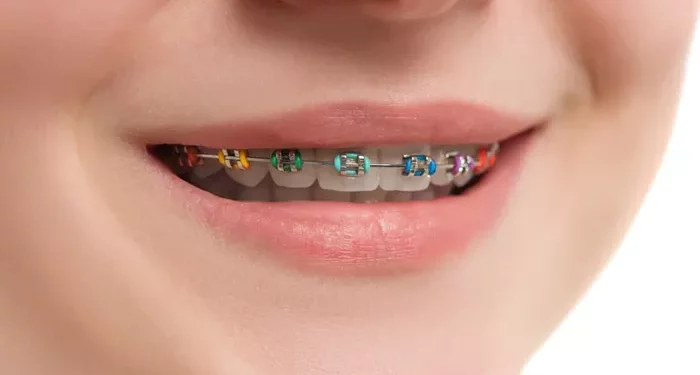
It eliminates the hassle of traditional metal brackets and wires, and is more comfortable and beautiful. You need to remove your braces every time you eat or drink anything other than water.
The whole process is actually not complicated as you might think. Here are the key steps I went through:
1. Comprehensive dental examination and cleaning
Before starting treatment, you must deal with existing dental problems, such as fillings, to ensure that your mouth is in the best condition.
2. 3D dental scan and X-ray
My dentist, Dr. Katie Gleason, used an iTero scanner to perform a high-precision 3D scan of my teeth, and also performed a comprehensive X-ray and oral examination. Although the scanning process is a little uncomfortable because the probe needs to touch each tooth one by one, this step is very critical.
What surprised me most was that after the scan was completed, they generated an “Invisalign Simulator Pro” simulation image to show the changes in my teeth before and after treatment – it was like magic. The moment I saw the simulation effect, I finally made up my mind: it was time to change.
Today, I have embarked on this journey. Although I started a little late, I know that I am on the road to a healthier and more confident smile. And this change also makes me love myself in the camera even more.