


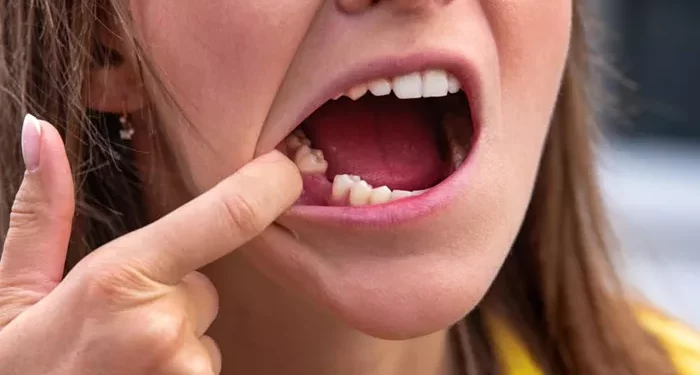
Scientists warn that a seemingly simple health problem – tooth decay and oral disease – is quietly affecting the education of hundreds of thousands of British children. The latest research shows that dental problems not only cause students to miss classes frequently and affect their academic performance, but also exacerbate the inequality in educational opportunities for children from poor families.
The study, led by the University of Glasgow, analyzed data from more than 260,000 Scottish children and found that children with tooth decay missed an average of up to five and a half days of school each year. The study further pointed out that about a third of children (more than 85,000 people) have oral health problems, and as symptoms worsen, the time they miss school also increases significantly. If emergency dental treatment or tooth extraction under general anesthesia is required, children may even miss more than three days of classes.
“Even missing half a day of school is enough to affect children’s learning progress,” said dentist Dr. Mariel Goulart, who led the study, in an interview with Metro. “Our research shows that treating tooth decay is not only a health issue, but also an issue of educational equity, especially in poor communities.”
The study focused on children aged 4 to 7 years old. The data showed that children with tooth decay missed an average of 22 half days (about 11 full days) per year, while children with healthy teeth only missed 15 half days (about 7 full days). Even after considering other interfering factors, the researchers still found that children with tooth decay missed significantly more school.
Currently, about one in five five-year-olds in the UK have tooth decay, which means that in this age group alone, up to 140,000 children may be at risk of frequent absences due to dental problems.
Most worryingly, children from poor families are more seriously affected. The study pointed out that students in poor areas miss almost twice as much time as students in wealthy areas due to dental problems.
Dr. Goulart admitted: “We have indeed underestimated the link between child poverty and oral health. Educational outcomes are closely related to family income levels, and dental health is a concrete manifestation of this structural inequality.”
The study also cited government data that children with better academic performance generally miss fewer classes in primary and secondary schools.
However, even if children arrive at school on time, poor oral health may affect their concentration and classroom performance. “If a child is in pain while attending class, how can he concentrate?” Dr. Goulart asked.
Therefore, the researchers called on the UK to promote the free school meal program to help improve children’s overall nutrition and oral health. She added: “Regardless of family income, every child should have a free nutritious meal. Eating a healthy meal means they eat one less sugary snack, which is better for teeth.”
Currently, more than 380,000 students in Scotland are eligible for free school meals. Scotland also implemented a toothbrushing program for nurseries and schools called “Childsmile” as early as 2008. Dr. Goulart said that this program has achieved remarkable results in reducing the rate of tooth decay in children.
According to the latest national dental check-up program, 73% of children in the first grade of primary school do not have tooth decay, compared with only 58% at the beginning of the “Children’s Smile” program in 2008.
In contrast, a similar toothbrushing program in England will not be fully implemented until March 2025. Dr. Goulart is worried that due to the delay in starting, the number of children missing school due to dental problems in England may be much higher than in Scotland.
To deal with this problem, the British government has proposed a reform of the dental service system. Health Secretary Stephen Kinnock pointed out: “In the most deprived areas, one-third of five-year-olds have tooth decay, which will have long-term effects on their health and life.”
Kinnock announced a supervised toothbrushing program for the most disadvantaged children, aiming to cover 600,000 preschoolers across the country. In addition, the government will work with Colgate to distribute 23 million free toothbrushes and toothpastes and provide 700,000 additional emergency dental appointments.
He said: “We must not only solve the problems at hand, but also focus on prevention to help children have healthy teeth and a better future from the beginning.”