


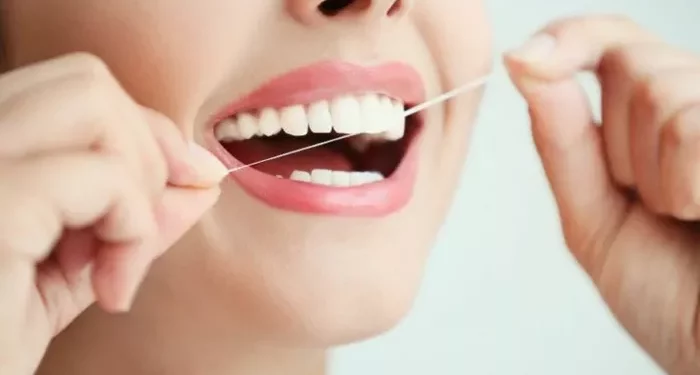
Flossing is often overlooked among the healthy habits we’re advised to adopt every day. While brushing may seem like a thorough job, cleaning between teeth can seem like a hassle. So how important is flossing? Does it really need to be done every day to be effective?
The answer isn’t black and white, according to new research. While flossing every day is ideal, consistency is more important than perfection.
What the science says: Three times a week also has significant benefits
A 2025 randomized controlled study found that while people were advised to floss daily, most didn’t actually do it. During the 24-week observation period, participants only flossed regularly for an average of five weeks. This suggests that setting a more realistic goal of three times a week may be easier to stick to and more meaningful.
This doesn’t mean that flossing every day doesn’t have value. A 2020 study published in the Journal of Dental Research found that people who flossed seven or more times a week were more likely to rate their oral health as “excellent.” Although this was self-reported data, it still showed a positive association between frequency and oral health.
The order matters: flossing before brushing is better
In addition to frequency, the order is equally important. A 2018 study found that flossing before brushing was more effective in reducing plaque than the other way around.
Why? It’s like sweeping before mopping. Flossing removes food particles and plaque from between teeth first, so that the subsequent brushing steps can more effectively clean these areas and help fluoride penetrate the tooth surface to prevent tooth decay.
Children and special situations: Do you need to adjust your strategy?
For children, flossing is also key. But research shows that the effect may vary depending on the cleaning method. A 2006 systematic review found that when a professional dental staff performs it, the risk of tooth decay in children can be reduced by 40%. But when children do it themselves at home, the prevention effect is not obvious, which may be due to poor skills or irregular use.
In addition, cleaning between teeth is more important for users of dental implants or braces. A 2024 study confirmed that flossing or interdental brushes can effectively reduce plaque and inflammation around implants, helping to maintain long-term success.
Does flossing really work?
The answer is yes. Several high-quality studies have confirmed that adding flossing to cleaning can effectively reduce plaque and gingivitis compared to brushing alone. A 2022 trial also further supported this conclusion.
Although a 2019 Cochrane review on the effect of flossing was “low-certainty evidence”, this was mainly due to large differences in study design and difficulty in verifying self-reports, and did not mean that flossing was ineffective. Dental experts still agree that mechanical cleaning between teeth is an important way to remove plaque in areas that are difficult to reach with a toothbrush.
Choosing the right tool for you is the key
Modern dentistry no longer advocates a “one-size-fits-all” approach. A 2021 review pointed out that a personalized oral cleaning plan should be developed according to individual needs.
If you don’t like traditional flossing, you might as well try other cleaning tools, such as floss sticks, water flossers, or interdental brushes. A 2019 review found that different tools have different benefits, and the key is whether you can stick with them correctly.
If you have large gaps between your teeth, need to floss, or wear braces, it is recommended to ask your dentist about the best cleaning plan for you.
The best frequency and method for flossing
So, do you really need to floss every day? The ideal is of course every day, but research shows that even using it three times a week can significantly improve gum health.
More importantly, find a method and rhythm that works for you. Remember to floss before brushing to improve cleaning and fluoride absorption. Don’t be afraid to try different tools, the key is whether you can stick with it in the long run.
Flossing is not an optional option, but an important step in maintaining oral health. Even if you can’t do it perfectly, cleaning between your teeth can still bring long-term benefits to your teeth and gums.