


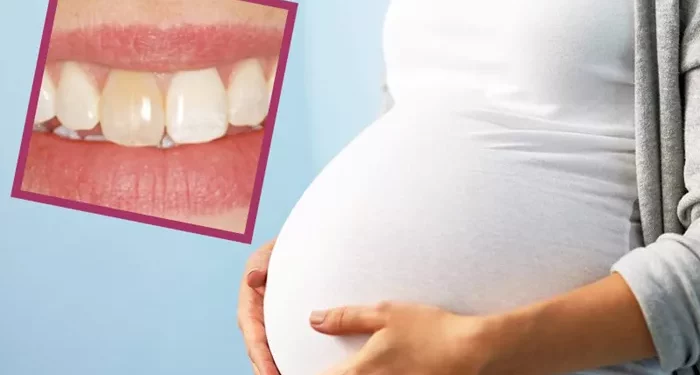
When a woman first confirms she is pregnant, she often anticipates the many prenatal visits that will follow, but few people consider dental checkups to be a vital part of the process.
In fact, research and expert opinion suggest that oral health during pregnancy should be a priority for medical attention.
“Pregnancy is a time when almost all of the body’s resources are devoted to supporting the development of the fetus,” says dental hygienist Liz Flores.
Pregnancy, she explains, causes dramatic changes in hormone levels, which can also cause mineral loss, which can affect the health of teeth and gums.
In addition, stomach acid from morning sickness can erode tooth enamel and increase the risk of tooth decay, and increased appetite during pregnancy can also exacerbate the problem.
“It’s okay to indulge in cravings from time to time, but expectant mothers still need to take responsibility for their own oral health,” Flores emphasizes.
According to statistics from the Centers for Disease Control and Prevention (CDC), 60% to 75% of pregnant women experience symptoms of gingivitis, an early sign of gum disease that is often closely related to hormone fluctuations.
“Sadly, we see many women who don’t take care of their dental problems during pregnancy and end up having to have teeth extracted or receive emergency treatment,” Flores said.
This is also supported by a study published in the Journal of the American Dental Association in March 2024. The study showed that women who did not have dental examinations during pregnancy had a 28% higher risk of hypertension-related complications such as preeclampsia.
In response to the lack of oral care services for pregnant women, Flores helped establish a new program at the Peak Vista Community Health Center, allowing pregnant women to receive dental examinations during routine prenatal visits.
The center’s Women’s Health Department is now equipped with a dental hygienist who can provide initial assessments and care recommendations on site.
“Our philosophy is to synchronize dental care with prenatal examinations so that patients can complete multiple examinations in one visit,” she added.
Since the program started in January of this year, it has provided services to approximately 200 pregnant women. Currently, 30% of participants have received follow-up treatment at the center’s main clinic, including comprehensive services such as cleaning, fillings, and crowns.
Flores recommends that pregnant women brush their teeth twice a day with fluoride toothpaste, floss and rinse regularly, and pay close attention to any oral abnormalities such as bleeding or pain.
“Regular dental cleanings should be performed every six months, whether you are pregnant or not. But during pregnancy, oral health should be a priority, and you should proactively inform your doctor of your pregnancy status when you visit your doctor,” she reminded.