


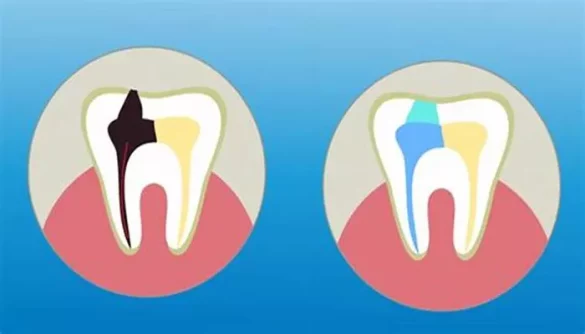
Choosing between a dental crown and a filling can be confusing. Both restore damaged teeth, but they serve different purposes and are used in distinct situations. Fillings typically treat small cavities and minor tooth damage. Crowns, on the other hand, offer full coverage when teeth are structurally compromised. Understanding when to choose each treatment helps patients make informed decisions. This article explores the definitions, uses, procedures, benefits, and limitations of crowns and fillings.
What Is a Dental Filling?
Dental fillings repair small areas of tooth decay or damage. They seal cavities and prevent further decay. Dentists often use fillings after removing decayed material from a tooth. The process is quick, efficient, and preserves most of the natural tooth structure.
Types of Filling Materials
Several materials can be used in fillings:
Composite Resin: Tooth-colored. Blends with natural teeth. Suitable for front and back teeth.
Amalgam: Durable metal mix. Long-lasting. Often used for molars.
Gold: Strong and corrosion-resistant. More expensive. Less aesthetic.
Ceramic: Tooth-colored and stain-resistant. Suitable for larger fillings.
Glass Ionomer: Releases fluoride. Good for children and non-biting surfaces.
When Are Fillings Used?
Fillings are ideal for:
- Small to moderate cavities
- Cracked or chipped teeth
- Worn-down teeth due to grinding
- Replacing old or defective fillings
Procedure for Dental Fillings
1. Numbing the area
2. Removing decayed material
3. Cleaning the cavity
4. Applying the filling material
5. Shaping and polishing the restoration
This process usually takes 20 to 60 minutes.
What Is a Dental Crown?
A dental crown is a cap placed over a tooth. It restores shape, size, and strength. Crowns are used when the tooth is severely damaged or weakened. Unlike fillings, crowns encase the entire visible part of the tooth.
Types of Crown Materials
Common materials include:
Porcelain: Natural look. Often used for front teeth.
Porcelain-fused-to-metal: Stronger than pure porcelain. More durable for molars.
Metal: Gold or alloys. Extremely strong. Best for back teeth.
Zirconia: Strong and tooth-colored. Popular for durability and appearance.
Resin: Less costly. Wears faster than other types.
When Are Crowns Necessary?
Crowns are used when:
- A tooth has extensive decay
- There is a large filling and little natural tooth remains
- After root canal treatment
- A tooth is cracked or severely worn
- For cosmetic improvements
Procedure for Getting a Crown
1. Examination and X-rays
2. Tooth reshaping
3. Taking impressions
4. Temporary crown placement
5. Permanent crown placement (after 1–2 weeks)
Treatment spans two appointments. Crowns last longer than fillings, often 10–15 years or more.
Key Differences Between Crowns and Fillings
1. Coverage Area
– Filling: Targets localized decay or damage
– Crown: Covers entire tooth surface
2. Material Strength
– Fillings: Suitable for minor repairs
– Crowns: Provide complete reinforcement
3. Tooth Structure Involvement
– Filling: Removes minimal tooth structure
– Crown: Requires substantial reshaping
4. Longevity
– Fillings: Last 5–10 years
– Crowns: Last 10–20 years with care
5. Cost
– Fillings: Less expensive
– Crowns: Higher cost due to complexity
When to Choose a Filling
Consider a filling if:
- The cavity is small
- The tooth is not structurally compromised
- You want a quick, budget-friendly fix
- You have minor chips or wear
Fillings are effective for early-stage decay and routine repairs.
When to Choose a Crown
A crown is preferable when:
- Decay affects a large portion of the tooth
- Cracks threaten tooth integrity
- There’s significant cosmetic concern
- A root canal has been performed
Crowns provide protection, support, and improved appearance.
Advantages of Dental Fillings
- Fast and minimally invasive
- Cost-effective
- Preserves more of the natural tooth
- Available in aesthetic options (tooth-colored)
- Useful in preventive care
Disadvantages of Dental Fillings
- Not suitable for major damage
- May need replacement over time
- Weaker than crowns
- Higher risk of leakage with poor bonding
- May not withstand heavy biting forces
Advantages of Dental Crowns
- Durable and long-lasting
- Fully covers and protects the tooth
- Improves strength and appearance
- Resistant to stains (depending on material)
- Prevents further damage
Disadvantages of Dental Crowns
- More expensive
- Requires more tooth reduction
- Usually involves multiple appointments
- Risk of temporary crown issues
- Potential sensitivity after placement
Cost Comparison
Fillings: $50 to $450, depending on size and material.
Crowns: $800 to $2,500, depending on material and location.
Insurance may cover a portion of the cost for both procedures.
Longevity and Maintenance
Both restorations require good oral hygiene. Regular dental checkups are essential. Avoid chewing hard foods or grinding teeth. With care:
- Fillings can last up to 10 years
- Crowns can last 15–20 years or longer
Can a Filling Be Replaced with a Crown?
Yes. When fillings break or when decay spreads under them, a crown may be necessary. Dentists often upgrade to crowns for better protection in such cases.
What Happens If You Delay Treatment?
Untreated cavities worsen over time. Waiting can result in:
- Toothache
- Infection
- Need for root canal or extraction
- Increased cost and complexity
Early treatment—whether a filling or crown—saves the tooth and reduces risks.
Which Option Is Better?
It depends on the condition of the tooth. Fillings are ideal for minor issues. Crowns offer full protection when the tooth is weakened. Dentists base the recommendation on:
- Amount of decay
- Tooth structure remaining
- Location in the mouth
- Budget and aesthetic goals
Restorative Options and Cosmetic Dentistry
Crowns serve a cosmetic role as well. They improve the appearance of discolored or misshapen teeth. Fillings, especially composite, also offer aesthetic solutions.
Combining Fillings and Crowns
Sometimes, a large filling can weaken over time. Dentists may recommend a crown to replace it. This is common after repeated filling replacements or after root canals.
Patient Experiences and Outcomes
Most patients adapt well to both treatments. Mild discomfort is normal but temporary. With modern materials and techniques, both options are safe and effective.
How to Choose the Right Treatment
Ask your dentist:
- How extensive is the damage?
- What are the risks of not treating?
- What is the long-term prognosis?
- Are there alternatives?
A dental examination and X-ray guide the best choice.
Conclusion
Dental crowns and fillings both restore teeth but serve different purposes. Fillings handle smaller problems with less cost and quicker recovery. Crowns protect and rebuild heavily damaged teeth. Understanding their differences ensures better oral health and smarter dental decisions. Consult your dentist to determine the best solution for your needs.