


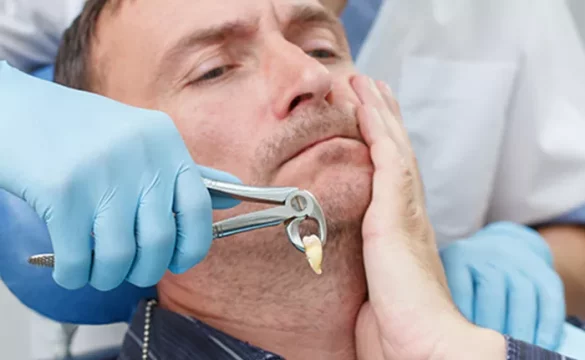
Wisdom teeth removal is a common dental procedure many patients undergo during late adolescence or early adulthood. While most people expect some discomfort after surgery, experiencing pain when swallowing can be especially concerning.
This article explores the reasons behind the pain when swallowing after wisdom teeth removal, the biological processes involved, and how to manage this discomfort effectively.
The Anatomy Involved in Wisdom Teeth Removal
Wisdom Teeth Location and Surrounding Structures
Wisdom teeth, or third molars, are located at the very back of the mouth, in both the upper and lower jaws. They are surrounded by gum tissue, bone, nerves, and muscles involved in chewing and swallowing. Removal often affects not only the tooth socket but also the nearby soft tissues.
The Role of Gums and Throat Muscles
During the extraction, gums around the wisdom teeth may be cut or manipulated, causing inflammation. This inflammation can extend to the throat muscles and tissues responsible for swallowing, resulting in soreness or pain when you swallow after surgery.
Common Causes of Pain When Swallowing After Wisdom Teeth Removal
Tissue Trauma from Surgery
The surgical removal of wisdom teeth involves incisions, bone removal, and sometimes suturing. This process causes trauma to the gum tissues and adjacent areas. Trauma leads to inflammation, swelling, and tenderness in the mouth and throat, making swallowing painful.
Gum Inflammation and Swelling
Inflammation of the gums (gingiva) is a natural response to surgery. This swelling can affect the muscles and tissues involved in swallowing, causing discomfort and difficulty. If gum inflammation is severe, it may resemble early signs of gum disease and prolong pain.
Secondary Infection and Gum Disease Risk
Sometimes after wisdom teeth removal, bacteria can infect the surgical site, causing an infection that worsens pain and swelling. Infection can also lead to gum disease if untreated, increasing the discomfort during swallowing. Symptoms include redness, pus discharge, and persistent pain.
Dry Socket (Alveolar Osteitis)
Dry socket is a common complication where the blood clot protecting the extraction site dissolves or is dislodged, exposing the bone underneath. This condition causes severe pain that can radiate to the throat, making swallowing very painful.
Muscle Soreness and Jaw Stiffness
The muscles around the jaw, including those used in chewing and swallowing, can become sore or stiff due to prolonged mouth opening during surgery or inflammation. This soreness can make the act of swallowing uncomfortable and sometimes painful.
How Gum Inflammation and Gum Disease Affect Post-Removal Healing
Gum Inflammation Impact on Recovery
Postoperative gum inflammation delays healing and increases sensitivity. The inflamed tissue is more sensitive to mechanical movements such as swallowing. Maintaining good oral hygiene helps reduce inflammation and promotes faster recovery.
Connection Between Gum Disease and Postoperative Pain
Patients with pre-existing gum disease are at a higher risk of complications after wisdom teeth removal. Gum disease weakens the gums and can prolong inflammation and infection, intensifying the pain experienced when swallowing post-surgery.
Symptoms to Watch For
Normal Postoperative Pain vs. Complications
Mild pain and discomfort when swallowing are common in the first few days after wisdom teeth removal. However, severe, worsening, or prolonged pain, especially with fever or swelling, may indicate complications like infection or dry socket.
When to Seek Dental Care
If pain while swallowing persists beyond a week, worsens, or is accompanied by other symptoms such as foul odor, pus, or difficulty opening the mouth, immediate consultation with your dentist or oral surgeon is crucial.
Effective Management and Treatment
Pain Control and Inflammation Reduction
Over-the-counter pain relievers such as ibuprofen help reduce inflammation and pain. Applying cold compresses to the cheek can also minimize swelling. Following your dentist’s postoperative instructions is essential.
Maintaining Oral Hygiene
Keeping the mouth clean prevents gum inflammation and infection. Gentle rinsing with salt water or prescribed antimicrobial mouthwash helps remove bacteria without irritating the surgical site.
Dietary Considerations to Ease Swallowing
Soft, cool foods and liquids reduce the effort needed to swallow, decreasing pain. Avoid hot, spicy, or hard foods that can aggravate gum inflammation and delay healing.
Follow-Up Care and Monitoring
Regular follow-up visits allow your dental professional to monitor healing, check for signs of gum disease or infection, and address any complications early to prevent prolonged pain during swallowing.
Preventive Measures to Reduce Pain After Wisdom Teeth Removal
Preoperative Assessment of Gum Health
Evaluating gum condition before surgery helps identify gum disease or inflammation that might complicate healing. Treating these conditions beforehand reduces postoperative pain and swelling.
Gentle Surgical Technique
Experienced oral surgeons use minimally invasive techniques to reduce tissue trauma, thereby lowering the risk of severe inflammation and pain after the procedure.
Patient Compliance With Postoperative Instructions
Following guidelines on diet, oral hygiene, medication, and activity restrictions directly impacts recovery quality and reduces pain when swallowing.
Conclusion
Pain when swallowing after wisdom teeth removal is usually caused by inflammation, tissue trauma, or complications such as infection and dry socket. Gum inflammation and gum disease play significant roles in prolonging or intensifying this discomfort. Proper postoperative care, good oral hygiene, and timely professional intervention are key to reducing pain and promoting smooth recovery. If swallowing pain persists or worsens, consult your dental care provider promptly.