


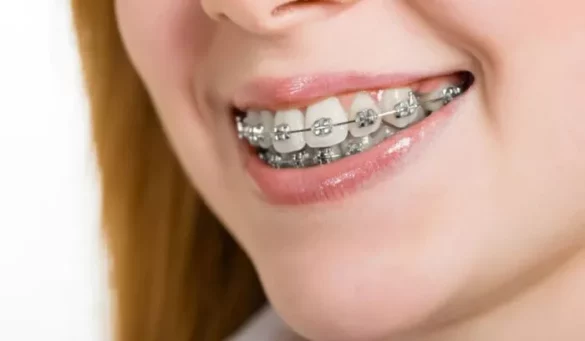
An overbite is a common dental issue where the upper front teeth significantly overlap the lower front teeth. This condition affects not only the smile’s appearance but can also cause functional problems like difficulty chewing, speech issues, and jaw pain. Braces are a widely used and effective solution to correct overbites. This article explores how long it typically takes to fix an overbite with braces, the factors influencing treatment duration, and the role of oral health in orthodontic success.
Understanding Overbite: Types and Causes
What Is an Overbite?
An overbite, also known as a deep bite, refers to the vertical overlap of the upper front teeth over the lower front teeth.
While a slight overlap is normal, an excessive overbite can lead to dental and jaw problems. Overbites can be classified as:
Dental Overbite: Caused by the misalignment of teeth without jaw bone involvement.
Skeletal Overbite: Caused by abnormal jaw bone structure or growth discrepancies.
Common Causes of Overbite
Several factors contribute to developing an overbite, including genetics, thumb sucking or prolonged pacifier use during childhood, tongue thrusting, and poor oral habits. Untreated gum disease or gum inflammation can worsen tooth positioning and contribute to bite problems.
How Braces Correct Overbite
Types of Braces Used for Overbite Correction
Orthodontists use various types of braces to fix overbites, including traditional metal braces, ceramic braces, and clear aligners like Invisalign. The choice depends on the severity of the overbite and patient preference.
Mechanism of Braces in Overbite Treatment
Braces apply gentle, consistent pressure to teeth, gradually moving them into proper alignment. Elastics (rubber bands) are often used alongside braces to adjust the jaw position and reduce the vertical overlap. Treatment also stimulates bone remodeling to support the new tooth positions.
Typical Duration to Fix an Overbite with Braces
Average Treatment Time
On average, fixing an overbite with braces takes between 18 months and 3 years. Mild overbites may require less time, sometimes as little as 12 months, while severe skeletal overbites might need longer treatment, sometimes up to 4 years.
Factors Influencing Treatment Duration
Severity of Overbite
The more severe the overbite, the longer the treatment. Skeletal overbites involving jaw bone discrepancies take more time than dental overbites.
Age of the Patient
Children and teenagers tend to respond faster to orthodontic treatment due to ongoing jaw growth. Adults may require more time because bone remodeling slows with age.
Oral Health and Gum Condition
Healthy gums free of inflammation and gum disease support faster, more predictable tooth movement. Gum inflammation can delay treatment by causing discomfort and affecting bone health.
Compliance with Orthodontic Instructions
Wearing elastics as prescribed, maintaining appointments, and following oral hygiene routines all impact how quickly the overbite is corrected.
Complexity of Treatment Plan
Sometimes, additional procedures such as tooth extractions, jaw surgery, or the use of expanders are required, which can extend the treatment timeline.
Role of Oral Hygiene and Gum Health During Treatment
Preventing Gum Inflammation and Gum Disease
Braces can make oral hygiene more challenging, increasing the risk of gum inflammation and gum disease. These conditions weaken the gums and bone that support teeth, potentially slowing tooth movement and prolonging treatment.
Maintaining Oral Health for Successful Treatment
Regular brushing, flossing, and dental check-ups are crucial during orthodontic treatment. Using interdental brushes or water flossers can help clean around braces and prevent plaque buildup.
Impact of Gum Disease on Orthodontic Progress
Gum disease causes tissue breakdown around teeth, which can destabilize teeth and complicate orthodontic treatment. In some cases, gum disease must be treated before continuing braces to ensure effective overbite correction.
Post-Treatment: Retainers and Long-Term Maintenance
Importance of Retainers
After braces are removed, retainers are essential to maintain teeth in their new positions and prevent relapse of the overbite. Retainer use duration varies but is often lifelong for best results.
Monitoring Gum Health After Orthodontic Treatment
Continuing good oral hygiene practices after braces removal helps prevent gum inflammation and gum disease, preserving the corrected bite and overall oral health.
When Jaw Surgery Is Necessary for Overbite Correction
Indications for Surgical Intervention
Severe skeletal overbites that cannot be fully corrected with braces alone may require orthognathic surgery. Surgery helps reposition the jaws for functional and aesthetic improvement.
Impact of Surgery on Treatment Duration
Surgical treatment usually extends the overall timeline, often adding several months to the orthodontic process due to pre- and post-surgery orthodontic adjustments and healing time.
Conclusion
Fixing an overbite with braces typically takes between 18 months to 3 years, depending on the severity, patient age, oral health, and treatment complexity. Maintaining good gum health by preventing gum inflammation and gum disease is critical to ensure effective and timely tooth movement. Proper care, patient compliance, and professional monitoring help achieve lasting results and a healthier smile.