


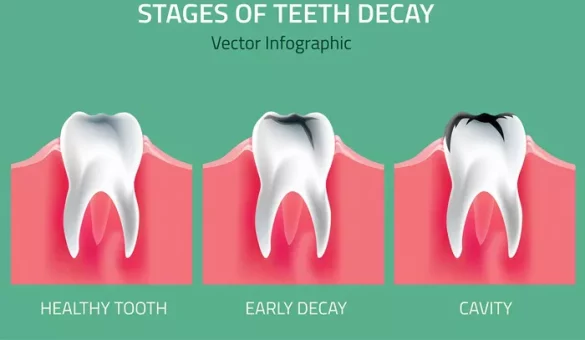
Tooth decay is one of the most common oral health problems affecting people of all ages. It begins when the enamel, the outer protective layer of the tooth, breaks down due to acid produced by plaque bacteria. If untreated, decay can spread to the inner layers, causing pain, sensitive teeth, and eventually leading to tooth loss.
Repairing tooth decay is essential not only for oral function but also for preventing further gum disease and infection. In this article, we’ll explore the 6 best ways to repair tooth decay in 2025, focusing on modern dental treatments that are safe, effective, and supported by clinical evidence.
What Causes Tooth Decay?
1. Poor Oral Hygiene
Inadequate brushing and flossing allow bacteria to thrive. Over time, this leads to plaque buildup and acid production, damaging the enamel.
2. Sugary and Acidic Foods
Frequent consumption of sugar and acidic drinks weakens tooth enamel and accelerates decay.
3. Dry Mouth
A lack of saliva makes it harder to neutralize acids and clean food debris from the teeth. Many medications and conditions like diabetes cause dry mouth.
4. Gum Disease
Advanced gum disease (periodontitis) can expose the roots of teeth, making them more susceptible to decay and sensitive teeth.
The 6 Best Ways to Repair Tooth Decay
1. Fluoride Treatments
How It Works
Fluoride therapy is one of the earliest and most effective methods for repairing early-stage tooth decay (also called enamel demineralization). Dentists apply a high-concentration fluoride gel, foam, or varnish to the affected areas. This strengthens enamel and helps reverse the decay process.
Best for
People with sensitive teeth and children with developing enamel benefit the most from fluoride treatments.
Benefits
- Non-invasive
- Quick application (less than 10 minutes)
- Strengthens tooth enamel and prevents further decay
2. Dental Fillings
How It Works
Dental fillings are used when a cavity has formed. The decayed part of the tooth is removed, and the space is filled with a durable material such as composite resin, amalgam, or porcelain. The filling seals the tooth and restores its structure.
Best for
People with small to moderate cavities, especially in molars or visible teeth requiring tooth-colored materials.
Benefits
- Stops decay from spreading
- Restores normal chewing function
- Custom color options available for aesthetic appeal
3. Dental Crowns
How It Works
A dental crown is a tooth-shaped cap placed over a decayed or weakened tooth. After the decay is removed, the tooth is reshaped, and the crown is cemented in place. Crowns are often made from porcelain, ceramic, or metal alloys.
Best for
Teeth with extensive decay or cracks, or when a filling is not sufficient to restore function and strength.
Benefits
- Offers full protection
- Durable and long-lasting (10–15 years or more)
- Protects against further damage and tooth sensitivity
4. Root Canal Therapy
How It Works
If decay reaches the pulp (inner nerve tissue), a root canal becomes necessary. The infected pulp is removed, and the root canals are cleaned, disinfected, and sealed. The tooth is then restored with a filling or crown.
Best for
Patients with severe decay, tooth abscesses, or intense tooth pain caused by infection.
Benefits
- Eliminates pain and infection
- Preserves the natural tooth
- Prevents spread of bacteria to surrounding tissues
5. Tooth Bonding
How It Works
Tooth bonding uses a tooth-colored resin applied directly to a decayed or damaged tooth. It is shaped, hardened with a curing light, and polished to match the surrounding teeth. Bonding is often used for front teeth or minor decay.
Best for
Small cavities, chips, or cracks in visible teeth. Also good for people with sensitive teeth caused by enamel loss.
Benefits
- Minimally invasive
- Quick, usually completed in one visit
- Improves tooth aesthetics and comfort
6. Dental Inlays and Onlays
How It Works
Inlays and onlays are custom-made restorations used when the damage is too extensive for a filling but not severe enough for a crown. Inlays fit inside the tooth’s grooves, while onlays cover one or more cusps of the tooth.
Best for
Teeth with moderate decay or fractures, especially in molars. Suitable for patients who want a balance between durability and conservation of tooth structure.
Benefits
- Long-lasting and strong
- Preserve more of the natural tooth than crowns
- Excellent fit and function
Preventive Measures for Tooth Decay
Daily Oral Hygiene
Brush twice a day with fluoride toothpaste and floss daily. This removes plaque and food particles that contribute to decay and gum disease.
Regular Dental Checkups
Visit your dentist every six months for cleanings and exams. Early detection of decay makes it easier to treat.
Healthy Diet
Limit sugar, sticky snacks, and acidic beverages. Eat a balanced diet rich in calcium and vitamin D to support strong teeth and gums.
Sealants
Dental sealants are a preventive measure for children and adults at high risk of decay. They cover grooves and pits in the molars where food particles often collect.
Signs You May Have Tooth Decay
- Visible holes or pits in teeth
- Pain or aching when chewing
- Sensitive teeth to hot, cold, or sweet foods
- Staining on the tooth surface
- Persistent bad breath
The Link Between Tooth Decay and Gum Disease
Tooth decay and gum disease often occur together, especially when poor oral hygiene is the root cause. Cavities can form near the gum line, and the bacteria responsible for decay can also lead to gingivitis or periodontitis. Both conditions can make the teeth more vulnerable to sensitivity and loss.
Managing decay is essential to preventing the spread of infection to the gums and surrounding tissues. When left untreated, tooth decay can compromise the stability of the entire dental structure.
When to See a Dentist
If you experience any signs of tooth decay or sensitive teeth, you should seek dental care as soon as possible. Early intervention prevents the need for more invasive procedures and reduces the risk of tooth loss or gum disease.
Conclusion
Tooth decay is a serious dental issue that, if left untreated, can lead to pain, infection, and tooth loss. Thankfully, modern dentistry offers several ways to repair decay effectively. Whether it’s fluoride treatments for early cases or crowns and root canals for advanced decay, today’s dental care solutions are safe and effective.
Incorporating strong oral hygiene habits, a healthy diet, and regular dental visits can further protect against future problems. For individuals with sensitive teeth or existing gum disease, it’s even more important to take preventative steps and seek timely care. Your teeth can last a lifetime with the right approach.