


Pericoronitis is a dental condition characterized by inflammation of the gum tissue around a partially erupted tooth, commonly affecting the lower third molars or wisdom teeth. This condition often arises when food debris and bacteria become trapped under the gum flap, leading to swelling, pain, and infection.
Who is at Risk?
Pericoronitis most commonly occurs in young adults between the ages of 17 and 25, especially during the eruption of wisdom teeth. Individuals with poor oral hygiene, overcrowded teeth, or compromised immune systems are at higher risk of developing this condition.
Signs and Symptoms of Pericoronitis
Common Symptoms
The symptoms of pericoronitis can vary in severity but often include:
- Swelling around the gum near the affected tooth
- Persistent or throbbing pain
- Red, inflamed gum tissue
- Bad breath or unpleasant taste
- Difficulty opening the mouth (trismus)
- Fever in severe cases
How it Affects Daily Life
The discomfort from pericoronitis can make eating, speaking, and maintaining oral hygiene difficult. In some cases, the pain extends to the ear, jaw, or throat, disrupting daily activities and quality of life.
The Role of Antibiotics in Treating Pericoronitis
Why Antibiotics Are Prescribed
When pericoronitis becomes infected or presents signs of systemic involvement, such as fever or spreading inflammation, antibiotics may be necessary. The primary goal of antibiotic therapy is to reduce bacterial load and prevent the infection from spreading to nearby tissues or becoming systemic.
Can Amoxicillin Treat Pericoronitis?
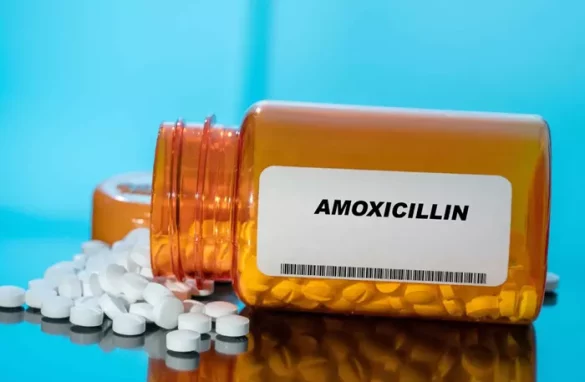
Amoxicillin is a widely prescribed penicillin-class antibiotic known for its effectiveness against a broad range of bacterial infections, including those commonly found in the oral cavity. It works by inhibiting bacterial cell wall synthesis, thereby eliminating the infection.
In dental practice, amoxicillin is considered a first-line treatment for moderate to severe cases of pericoronitis, especially when abscess formation or systemic symptoms are present.
Dosage and Duration of Amoxicillin Therapy
Recommended Dosage
For adults with dental infections, including pericoronitis, the typical dosage of amoxicillin is 500 mg every 8 hours or 875 mg every 12 hours. Treatment duration is usually 5 to 7 days but may vary based on the severity of the infection and the patient’s medical history.
Following the Prescription
It is critical to complete the entire course of antibiotics, even if symptoms improve within a few days. Premature discontinuation can lead to incomplete eradication of the infection and contribute to antibiotic resistance.
When Amoxicillin May Not Be Enough
Limitations of Antibiotic Therapy
Amoxicillin treats the symptoms and bacterial infection but does not address the root cause of pericoronitis—the partially erupted tooth and the trapped gum flap. Without proper dental care, symptoms may recur even after antibiotic treatment.
Need for Dental Intervention
In many cases, mechanical debridement, irrigation, or even surgical removal of the wisdom tooth is necessary to prevent recurrence. Dentists may recommend operculectomy (removal of the gum flap) or extraction of the impacted tooth for long-term relief.
Alternatives to Amoxicillin
Other Antibiotic Options
If a patient is allergic to penicillin or if amoxicillin is ineffective, other antibiotics such as clindamycin, metronidazole, or erythromycin may be prescribed. These alternatives have proven efficacy in dental infections and are selected based on the patient’s medical history and bacterial resistance patterns.
Non-Antibiotic Treatments
Mild cases of pericoronitis can be managed with saltwater rinses, over-the-counter pain relievers, and improved oral hygiene. Antiseptic mouthwashes like chlorhexidine can reduce bacterial load without the use of antibiotics.
Associated Dental Concerns
Pericoronitis and Sensitive Teeth
Pericoronitis may exacerbate sensitive teeth due to inflammation and gum recession around the affected area. Patients may experience sharp pain when consuming hot, cold, or sweet foods. Addressing gum inflammation and maintaining hygiene can alleviate this sensitivity.
Relation to Gum Disease
Chronic pericoronitis may lead to or worsen existing gum disease such as gingivitis or periodontitis. Inflammation and bacterial buildup under the gum flap create an environment conducive to periodontal pathogens. Early treatment is essential to prevent permanent damage to the gums and supporting bone.
Importance of Dental Follow-Up
Why Monitoring is Essential
Even if antibiotics like amoxicillin successfully control the infection, follow-up dental visits are crucial to evaluate healing and prevent recurrence. A dentist can assess whether further treatment such as extraction is necessary.
Long-Term Management
To avoid recurring infections, long-term management may include:
- Improved oral hygiene practices
- Routine dental cleanings
- Wisdom tooth evaluation and possible removal
- Use of antiseptic rinses during healing
Risks and Side Effects of Amoxicillin
Possible Adverse Reactions
While generally well-tolerated, amoxicillin may cause side effects such as:
- Nausea or vomiting
- Diarrhea
- Skin rash
- Allergic reactions in penicillin-sensitive individuals
Managing Side Effects
If mild side effects occur, taking amoxicillin with food may help. However, in cases of severe allergic reactions (e.g., difficulty breathing, facial swelling), immediate medical attention is necessary.
Can You Treat Pericoronitis at Home?
Supportive Home Measures
While antibiotics like amoxicillin treat the infection, supportive home care is vital. Recommended steps include:
- Rinsing with warm saltwater several times a day
- Using antiseptic mouthwash
- Applying cold compresses for swelling
- Maintaining proper brushing and flossing techniques
When to See a Dentist
Professional care is essential if pain worsens, swelling spreads, or systemic symptoms like fever appear. Self-treatment is not a substitute for a dental exam and appropriate intervention.
Conclusion
Amoxicillin is an effective treatment for bacterial infections related to pericoronitis. However, it is not a cure for the underlying cause. A combination of antibiotic therapy, dental procedures, and preventive care offers the most comprehensive approach.
Dental patients suffering from pericoronitis should consult their dentist for a personalized treatment plan. Proper management will not only resolve the infection but also help prevent complications like gum disease and sensitive teeth.