


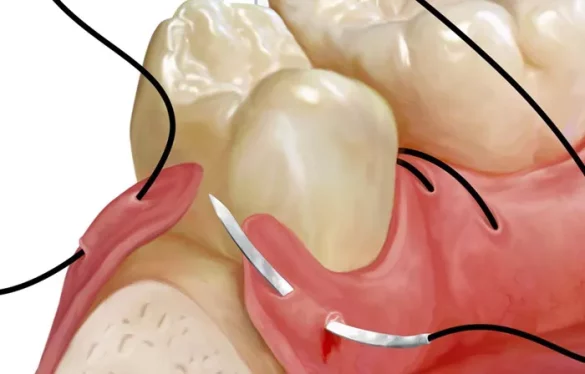
Dental implants are a common and effective solution to replace missing teeth. After the implant is placed, stitches (sutures) are often used to close the surgical site. These stitches help protect the wound, promote healing, and prevent infection.
Many patients wonder, how long do stitches last after dental implant? This article provides a detailed explanation of the timeline for stitches, types of sutures, healing phases, and related dental concerns such as sensitive teeth and gum disease.
Why Are Stitches Used After Dental Implant Surgery?
Stitches serve several important purposes after dental implant surgery:
Protect the surgical wound: Stitches keep the gum tissue in place, covering the implant site.
Control bleeding: Sutures help reduce bleeding by compressing blood vessels.
Promote healing: They close the wound edges, speeding up tissue regeneration.
Reduce infection risk: By sealing the site, sutures help prevent bacteria from entering the wound.
Types of Stitches Used in Dental Implant Procedures
There are mainly two types of stitches used after dental implants:
1. Dissolvable (Resorbable) Stitches
These stitches naturally dissolve over time and do not require removal. They are made from materials such as polyglycolic acid or polylactic acid. Typically, dissolvable stitches begin to break down within 7 to 14 days after surgery.
2. Non-Dissolvable (Non-Resorbable) Stitches
Non-dissolvable stitches are made from materials like nylon or silk. These need to be removed by a dental professional, usually within 7 to 14 days post-surgery, depending on the dentist’s advice and healing progress.
How Long Do Stitches Last After Dental Implant?
The duration stitches remain depends on the type of suture and individual healing:
Dissolvable stitches: Generally last 7 to 14 days. Some may dissolve faster within a week; others may take up to two weeks.
Non-dissolvable stitches: Typically removed within 7 to 14 days after surgery.
If stitches remain longer than expected, it could cause irritation or discomfort. It is important to follow up with your dentist to ensure proper healing.
What Factors Affect How Long Stitches Last?
Several factors influence the lifespan of stitches after a dental implant:
Healing Speed
Healing time varies between individuals. Younger, healthy patients tend to heal faster, meaning stitches may dissolve or be removed sooner. Patients with conditions like diabetes or gum disease may experience slower healing.
Oral Hygiene
Good oral hygiene helps prevent infection and promotes faster healing. Inadequate cleaning may cause swelling or infection, which can delay stitch dissolution or removal.
Type of Stitch Material
As mentioned, dissolvable stitches have different materials that affect their lifespan. Some materials dissolve quickly, while others take longer.
Location of the Implant
Implants in areas with thicker gum tissue may require longer stitch retention compared to thinner tissue areas.
Signs That Indicate Stitches Are Healing Properly
Knowing what to expect helps you monitor your recovery. Signs of proper healing include:
- Reduced swelling and redness around the stitches
- Minimal bleeding or oozing
- Decreasing pain or discomfort
- Stitches starting to loosen or dissolve if they are resorbable
When to Contact Your Dentist Regarding Stitches
Contact your dentist if you experience:
- Severe pain or swelling that worsens after 2-3 days
- Bleeding that doesn’t stop or gets heavier
- Stitches falling out prematurely or loosening excessively
- Signs of infection such as pus, bad odor, or fever
Impact of Stitches on Sensitive Teeth and Gum Disease
Many patients with sensitive teeth or gum disease worry about dental implant surgery and stitches. Here are some important points:
Sensitive Teeth
Surgery and stitches can temporarily increase tooth sensitivity around the implant site. This sensitivity usually fades as the gums heal. Using a toothpaste for sensitive teeth and avoiding very hot or cold foods can help ease discomfort.
Gum Disease
If you have gum disease (periodontal disease), it can slow down healing and increase the risk of infection around the stitches. It is vital to treat gum disease before or along with implant treatment to improve outcomes.
Caring for Stitches After Dental Implant Surgery
Proper care helps stitches last as intended and promotes healing:
Keep the mouth clean: Use gentle rinsing with a dentist-recommended mouthwash or warm salt water starting 24 hours after surgery.
Avoid disturbing the stitches: Don’t pick at or touch stitches with your tongue or fingers.
Eat soft foods: Stick to soft, cool foods for the first few days to avoid damaging stitches.
Avoid smoking and alcohol: These slow healing and increase infection risk.
Follow your dentist’s instructions: Take prescribed antibiotics or painkillers as directed.
What Happens After Stitches Are Removed or Dissolved?
Once stitches dissolve or are removed, the gum tissue continues to heal and strengthen around the implant. Full healing may take several weeks to months depending on the individual and implant type.
During this time, it’s normal to experience some mild tenderness or sensitivity. Regular dental check-ups ensure the implant integrates properly and gums stay healthy.
Potential Complications Related to Stitches
Although stitches usually cause no problems, complications can occur:
Stitch infection: Can cause redness, swelling, pain, or discharge.
Premature stitch loss: Leads to wound opening and delayed healing.
Stitch irritation: Can cause soreness or a feeling of a foreign object in the mouth.
If you notice these signs, contact your dentist immediately.
Conclusion
Understanding how long stitches last after dental implant surgery helps you prepare for a smooth recovery. Whether dissolvable or non-dissolvable, stitches typically remain for 7 to 14 days. Proper care, good oral hygiene, and monitoring for complications are key to healthy healing.
Patients with sensitive teeth or gum disease should inform their dentist to ensure tailored care and minimize risks. Always follow your dentist’s advice and attend follow-up appointments to ensure the implant and gums heal correctly.