


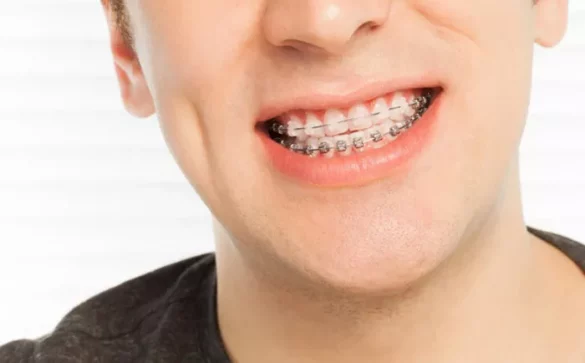
Braces are orthodontic tools used to straighten misaligned teeth, correct jaw issues, and improve oral aesthetics and function. While millions of people are eligible for orthodontic treatment, not everyone qualifies immediately. Certain oral health issues or systemic conditions can disqualify someone from getting braces, at least temporarily. Understanding these disqualifications can help you take the right steps toward treatment readiness.
Common Oral Health Problems That Can Disqualify You
1. Gum Disease (Periodontal Disease)
Gum disease is one of the most common reasons people are disqualified from receiving braces. Braces apply pressure to teeth, and if the surrounding gum tissues and bones are weakened due to disease, the pressure can worsen the condition. Gum disease causes inflammation, recession, and bone loss. These symptoms destabilize the teeth and may lead to tooth loss if untreated.
Before braces can be considered, gum disease must be brought under control. This usually involves deep cleaning procedures like scaling and root planing, and in advanced cases, periodontal surgery. A healthy foundation is essential for the success of orthodontic treatment.
2. Severe Tooth Decay
People with extensive cavities are generally not good candidates for braces until the decay is treated. Tooth decay weakens enamel and can cause pain, especially when brackets are bonded to the affected teeth. Additionally, braces make oral hygiene more complicated, increasing the risk of decay progression. Your dentist will need to treat all cavities before braces are an option.
3. Sensitive Teeth
While not a complete disqualifier, people with very sensitive teeth may struggle with braces. Orthodontic treatment involves regular adjustments, which can cause pressure and discomfort. Those with sensitive teeth may find this sensation more intense and hard to manage.
If sensitivity is caused by enamel erosion or gum recession, it must be evaluated and treated. Using desensitizing toothpaste, fluoride treatments, and avoiding acidic foods can help reduce sensitivity before orthodontic treatment begins.
Systemic Health Conditions That May Disqualify You
4. Uncontrolled Diabetes
Diabetes affects wound healing and can lead to higher rates of infection, especially in the mouth. If diabetes is poorly controlled, orthodontic treatment becomes risky. Braces may irritate the gums, leading to increased inflammation and slow healing. Patients must work with their primary care doctor or endocrinologist to get their blood sugar under control before pursuing braces.
5. Autoimmune Disorders
Autoimmune diseases like lupus, rheumatoid arthritis, and multiple sclerosis can make orthodontic care more complex. These conditions often cause chronic inflammation, and braces could exacerbate this, making the experience more painful and less predictable. Some medications prescribed for autoimmune disorders also affect bone health and healing, which could complicate tooth movement.
Your orthodontist and primary physician must collaborate to determine if treatment is feasible and safe in your specific case.
6. Osteoporosis and Bone Density Issues
Braces work by slowly moving teeth through the bone. People with low bone density or osteoporosis may not have sufficient bone support to hold and move teeth safely. In such cases, orthodontic pressure can lead to tooth mobility or loss. A bone density test may be recommended to evaluate risk before treatment.
Age-Related Factors
7. Advanced Age with Untreated Dental Issues
Braces are not just for children or teenagers—adults can benefit too. However, older adults are more likely to have gum disease, missing teeth, or other untreated oral health problems. These issues must be resolved first. Orthodontists also need to evaluate whether the jawbone can support tooth movement effectively at an older age.
8. Late Tooth Eruption in Children
In younger patients, braces are not placed until all the permanent teeth have erupted or are at least in the right stage of development. Early placement can result in prolonged treatment or compromised outcomes. Orthodontists often use space maintainers or other appliances until the child is ready for full braces.
Behavioral and Lifestyle Factors
9. Poor Oral Hygiene Habits
Maintaining excellent oral hygiene is critical during orthodontic treatment. Braces trap food particles and make cleaning more difficult. Patients who already struggle with brushing and flossing are at higher risk for cavities and gum inflammation. If poor hygiene is persistent, orthodontists may refuse to proceed with treatment to avoid worsening the patient’s dental health.
Patients must demonstrate good oral hygiene practices and attend regular dental check-ups. Using tools like interdental brushes and water flossers can be helpful when wearing braces.
10. Smoking and Tobacco Use
Smoking affects gum health and blood circulation. It increases the risk of gum disease and slows down healing. Tobacco stains are also difficult to clean around brackets. These factors make smokers less ideal candidates for braces.
Orthodontists often require smokers to quit or significantly reduce tobacco use before beginning treatment. This not only improves treatment outcomes but also promotes better long-term oral health.
11. Non-Compliance with Dental Visits
Braces require frequent follow-up visits—usually every 4 to 6 weeks. These appointments are essential for tightening, assessing progress, and addressing complications. Patients who habitually miss appointments or do not follow dental instructions may be disqualified due to the increased risk of treatment failure or prolonged duration.
Structural and Anatomical Concerns
12. Severely Short Roots
Some people naturally have shorter tooth roots, a condition known as root resorption. Braces can further shorten roots, leading to instability and potential tooth loss. Your orthodontist will take X-rays to measure root length and determine if treatment is safe.
13. Jaw Bone Abnormalities
Significant jaw discrepancies—such as severe underbites or overbites caused by skeletal issues—may not be correctable with braces alone. These cases often require orthognathic (jaw) surgery. If a patient refuses surgery, braces might not be recommended, as they cannot fully resolve the problem.
Other Medical or Dental Considerations
14. Allergies to Orthodontic Materials
Some patients may be allergic to the metals used in braces, especially nickel. While not a total disqualification, this requires alternative materials such as ceramic braces or titanium wires. Inform your dentist about any known allergies before treatment starts.
15. Missing or Fragile Teeth
Patients with multiple missing or fragile teeth may have difficulty with braces. Missing teeth can create uneven pressure during treatment, and fragile teeth may not withstand the stress of movement. Solutions like dental implants or crowns may need to be placed before or during orthodontic treatment to ensure stability.
Temporary vs. Permanent Disqualifications
Many of the factors mentioned above are not permanent disqualifiers. With the right treatment, patients can become eligible for braces later. For instance, treating gum disease, improving oral hygiene, or addressing systemic health issues can open the door to safe and effective orthodontic care.
What to Do If You’re Disqualified
If you’ve been told that you’re not a candidate for braces right now, don’t be discouraged. Start by working with your general dentist and a periodontist to resolve any pressing oral health issues. Focus on reducing inflammation, treating sensitivity, and improving hygiene.
Additionally, consider alternative orthodontic treatments like clear aligners. These may be less invasive and suitable for patients with mild to moderate alignment issues, depending on their health status.
Braces are a powerful tool, but they are only effective when the foundation—your gums, bones, and teeth—is healthy and strong.
Conclusion
Braces can transform your smile and oral health, but they are not suitable for everyone without preparation. Gum disease, sensitive teeth, severe decay, and certain medical conditions can all pose risks. However, most of these issues can be managed with proper dental care, making future treatment possible.
Before seeking orthodontic care, schedule a comprehensive dental exam. Address any issues first, and commit to maintaining excellent oral hygiene. With the right approach, you can become a candidate for braces and enjoy the benefits of a healthier, straighter smile.