


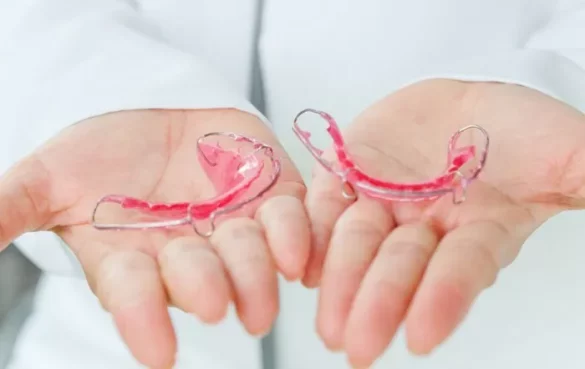
Retainers are custom-made dental appliances designed to help keep teeth in place after orthodontic treatment. They play a crucial role in maintaining a straight and healthy smile, especially after braces or clear aligner treatments. In some cases, mild misalignment can even be corrected using retainers alone. However, their effectiveness and cost depend on several factors, including the type of retainer, the severity of the dental condition, and the material used.
Types of Retainers Used to Straighten Teeth
Hawley Retainers
Hawley retainers are among the most common and traditional types. They are made from a combination of metal wires and acrylic material. The wires wrap around the front of the teeth, while the acrylic sits against the roof of the mouth or the inside of the lower jaw. These retainers are adjustable, durable, and allow for minor tooth movements over time.
Clear Plastic Retainers (Essix)
Essix retainers are made of clear plastic and fit snugly over the entire arch of teeth. They are popular for their invisibility and comfort. These retainers are often used post-braces but can also help in minor tooth repositioning. However, they are more prone to wear and damage compared to Hawley retainers.
Permanent or Bonded Retainers
Permanent retainers consist of a wire that is bonded to the back of the teeth, typically the lower front teeth. They are not removable and are highly effective in maintaining alignment. Although these retainers do not directly straighten teeth, they can help prevent shifting, especially in cases with a history of gum disease or relapse after orthodontic treatment.
Average Cost of Retainers for Teeth Straightening
Cost Breakdown by Type
The cost of retainers varies widely depending on their type, location, and dental provider. Below is a general cost range for each retainer type in USD:
- Hawley Retainer: $150 – $300 per retainer
- Essix Clear Retainer: $100 – $250 per retainer
- Permanent/Bonded Retainer: $250 – $500 per arch
It’s important to note that these prices may include follow-up visits and adjustments. In some cases, insurance may partially cover the cost of a retainer if it’s part of a medically necessary treatment.
Replacement Costs
Retainers can be lost, damaged, or wear out over time, especially plastic ones. Replacement costs can be as high as the original, and frequent replacements can add up quickly. Keeping your retainer clean and stored properly can extend its lifespan.
Using Retainers Alone to Straighten Teeth
In some situations, retainers are used as a standalone method to correct mild misalignments. This is especially true in cases where:
- One or two teeth have shifted slightly
- The patient previously had braces and experienced a relapse
- The patient has Sensitive Teeth and needs a gentle realignment solution
This method is typically only recommended for patients with good oral health and no severe orthodontic issues. Retainers cannot correct major problems like bite alignment or severely rotated teeth. A professional consultation is necessary to determine eligibility.
Factors Influencing Retainer Costs
Material and Design
Custom materials and unique design features can increase the cost. For example, stronger plastics, wire reinforcements, or digitally designed retainers created from 3D scans may be more expensive but offer better fit and durability.
Dental Clinic and Geographic Location
Dental services can be significantly more expensive in urban centers or regions with high living costs. Clinics offering specialized orthodontic care may charge higher fees than general dental offices.
Frequency of Adjustments
Retainers used for active tooth movement require periodic adjustments, which can result in additional fees. These costs may be included in a treatment package or billed per visit.
Retainers and Oral Health: What You Should Know
Gum Disease and Retainer Use
Patients with existing gum disease should approach retainer use with caution. Inflammation, swelling, and tissue sensitivity can make retainers uncomfortable or even harmful if they trap bacteria or apply pressure to weakened gums. It is essential to resolve active gum disease before starting retainer-based alignment therapy. Regular dental cleanings and periodontal care are crucial during retainer use.
Sensitive Teeth and Retainers
Sensitive teeth may react negatively to the pressure applied by retainers. In such cases, dentists may recommend softer materials or gradual wear schedules. Using a fluoride mouthwash and avoiding overly hot or cold foods can also help manage sensitivity while wearing a retainer.
Cleaning and Maintenance Tips
Hygiene is vital for both oral health and the longevity of your retainer. Poor cleaning habits can lead to plaque buildup, bad breath, or even gum infection. Here are some simple cleaning guidelines:
- Brush the retainer gently with a soft toothbrush
- Soak in retainer cleaning solution weekly
- Avoid hot water which can warp plastic
- Store in a ventilated case when not in use
Insurance Coverage for Retainers
Most dental insurance plans consider retainers as part of orthodontic treatment, which may or may not be covered depending on your policy. If braces or clear aligners were medically necessary, some or all of the retainer cost may be reimbursed. Be sure to check with your provider and submit claims through your orthodontist’s office.
Cost Comparison with Other Orthodontic Treatments
Retainers are significantly more affordable than braces or aligners. Here’s a basic comparison:
- Braces: $3,000 – $7,000
- Clear Aligners: $2,500 – $6,000
- Retainers Only: $100 – $500 per arch
Using a retainer alone for minor adjustments is not only less expensive but also more convenient for patients with Sensitive Teeth or those prone to gum problems. It requires fewer dental visits and less invasive procedures.
Who Is a Good Candidate for Retainer-Based Teeth Straightening?
While retainers are not suitable for everyone, they are a good option for:
- Adults with minor relapse after braces
- Teens who had their braces removed early
- Patients with straight but slightly shifting teeth
- People with sensitive gums or dental anxiety
Your dentist or orthodontist will assess your oral health, including the presence of gum disease or enamel erosion, before recommending a retainer treatment plan.
How to Get Started: The Retainer Fitting Process
The process begins with a dental consultation. Your provider will evaluate your bite, tooth alignment, and gum health. Digital scans or traditional impressions are then taken to create a custom retainer. In some cases, you may receive a trial model to test the fit before the final version is made.
Follow-Up and Monitoring
After receiving your retainer, regular checkups are necessary to ensure it fits correctly and your teeth are moving as intended. Any discomfort, pressure points, or gum irritation should be reported immediately. This is especially important for those with Sensitive Teeth or a history of gum disease.
FAQs
Can a retainer fix crooked teeth?
Yes, in some mild cases. Retainers can help move teeth slightly, especially after previous orthodontic treatment.
How long does it take for a retainer to straighten teeth?
It can take anywhere from a few weeks to several months, depending on the severity of the misalignment.
Do retainers hurt?
You may feel slight discomfort initially. This usually subsides as your mouth adjusts. People with Sensitive Teeth might need a softer material or shorter wear times.
Is wearing a retainer at night enough?
For some patients, yes. Nightly wear helps maintain or slightly adjust alignment. However, full-day wear may be required in certain cases.
Conclusion
Retainers are a cost-effective and minimally invasive method for maintaining or mildly adjusting tooth alignment. Their prices range from $100 to $500 per arch, making them much more affordable than braces or aligners. They are especially useful for those with Sensitive Teeth or a history of gum disease who need a gentle orthodontic approach.
Before choosing a retainer to straighten your teeth, always consult with a qualified dental professional. Addressing oral health issues like gum disease beforehand is essential for successful treatment. With proper care, a retainer can help preserve your smile for years to come.