


Temporary fillings available over the counter (OTC) are a popular choice for many people experiencing minor tooth damage or discomfort. They offer a quick, easy, and affordable way to protect a tooth until professional dental care is available. But one common question many ask is, how long do these temporary fillings last?
This article will explain the expected lifespan of OTC temporary fillings, the materials used, how to care for them, and when you should seek permanent treatment from a dentist.
What Are Over the Counter Temporary Fillings?
Definition and Purpose
OTC temporary fillings are dental repair kits sold without a prescription. They allow individuals to fill small cavities or cover broken teeth at home, providing a protective barrier against food particles, bacteria, and further damage.
Common Uses of Temporary Fillings
- Protecting a cracked or chipped tooth
- Covering a lost or fallen-out dental filling
- Reducing tooth sensitivity from exposed dentin
- Providing relief from minor tooth pain until a dentist visit
Types of Materials in OTC Temporary Fillings
Most OTC temporary fillings are made of zinc oxide-based compounds, sometimes mixed with eugenol for mild analgesic effects. Some kits may use materials similar to dental cement or pastes that harden quickly upon application.
Factors Affecting the Lifespan of OTC Temporary Fillings
Material Quality and Type
The durability of an OTC temporary filling depends largely on the product’s material. Zinc oxide-based materials typically last a few days to a couple of weeks. Some brands claim longer-lasting performance, but the environment inside the mouth can quickly wear them down.
Location of the Filling
Fillings placed on front teeth usually last longer because these teeth experience less chewing force. Back teeth fillings are under constant pressure from chewing and grinding, which can cause the temporary filling to break down faster.
Oral Hygiene Practices
Good oral hygiene can help prolong the life of a temporary filling. Gentle brushing and flossing prevent food debris and bacteria from weakening the filling. However, aggressive brushing or flossing may dislodge it prematurely.
Eating and Chewing Habits
Eating hard, sticky, or chewy foods can reduce the lifespan of OTC temporary fillings. Avoiding such foods helps the filling stay intact longer.
Saliva and Mouth Environment
Individual differences in saliva composition and pH can affect how quickly temporary fillings dissolve or wear out. A more acidic mouth environment tends to break down fillings faster.
Typical Duration of Over the Counter Temporary Fillings
Short-Term Use: A Few Days to One Week
Most OTC temporary fillings last between 3 to 7 days. This short lifespan is enough to cover a tooth temporarily and relieve symptoms until you can see a dentist.
Extended Use: Up to Two Weeks
In some cases, especially with careful use and good oral care, temporary fillings might last up to two weeks. However, this is not common, and extended use is generally not recommended without professional dental advice.
Limitations of OTC Temporary Fillings
These fillings are not designed to be permanent solutions. They may crack, fall out, or dissolve under pressure. Using them longer than intended can risk worsening tooth damage or infection.
How to Apply Over the Counter Temporary Fillings Correctly
Step-by-Step Application Guide
Clean the tooth: Gently rinse your mouth and remove any debris from the cavity.
Dry the area: Use a clean cloth or cotton to dry the tooth surface.
Mix the filling material: Follow the kit instructions carefully to prepare the filling compound.
Apply the filling: Press the material firmly into the cavity or damaged area.
Shape and smooth: Use a tool or your finger to mold the filling so it fits comfortably.
Allow to set: Wait the recommended time for the material to harden fully.
Important Tips for Best Results
- Do not rush the application process.
- Avoid touching the filling with your tongue while it sets.
- Follow all product instructions exactly.
Care and Maintenance of Temporary Fillings
Oral Hygiene with Temporary Fillings
Brush gently around the temporary filling twice daily. Floss carefully to avoid dislodging the material. Using a soft-bristled toothbrush helps prevent damage to the filling.
Dietary Recommendations
Avoid sticky candies, gum, nuts, and hard foods. These can cause the filling to break or fall out prematurely. Eating softer foods will help preserve the filling longer.
What to Do if the Temporary Filling Falls Out
If your temporary filling comes loose or falls out, try to retrieve the piece and keep it clean. You can reapply the material if you have some left, or replace it with a new kit. However, it is important to schedule a dental appointment as soon as possible.
When to See a Dentist for Permanent Treatment
Temporary Filling as a Short-Term Solution Only
OTC temporary fillings are not a replacement for professional dental care. They are designed to give you time and protect your tooth briefly while waiting for a permanent fix.
Signs You Need Immediate Dental Attention
- Severe or worsening tooth pain
- Swelling or signs of infection around the tooth
- Filling falls out and cannot be replaced
- Visible large cavity or broken tooth
- Increased sensitivity to hot, cold, or sweet foods
Types of Permanent Dental Treatments
Your dentist may recommend options like:
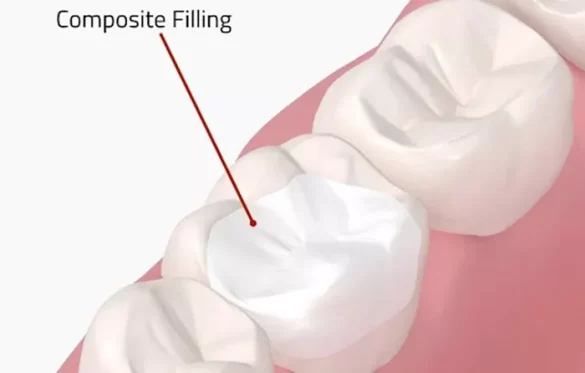
Professional fillings: Composite or amalgam materials applied in a dental office
Dental crowns: For larger damaged teeth requiring full coverage
Root canal therapy: If the tooth nerve is infected or damaged
Risks of Prolonged Use of OTC Temporary Fillings
Increased Risk of Infection
Temporary fillings can break down and allow bacteria to enter the tooth. This can cause infection, leading to pain and more serious dental problems.
Worsening Tooth Damage
Without a proper seal and permanent restoration, the tooth may crack or decay more extensively.
Delayed Professional Care
Relying too long on temporary solutions may postpone important treatment, which could lead to more complex and costly procedures later.
Choosing the Right OTC Temporary Filling Product
What to Look For
- Materials with good reviews and trusted brands
- Easy application and clear instructions
- Fast-setting formula
- Availability of kits with replacement materials
Recommended Brands and Products
Some commonly recommended OTC temporary filling products include Temparin, DenTek, and Temphaseal. Always check user reviews and consult a pharmacist if unsure.
Conclusion
Over the counter temporary fillings provide an important, convenient option to protect damaged teeth briefly. They usually last from a few days up to two weeks, depending on several factors such as material quality, location, and oral habits.
While they help manage discomfort and prevent further damage temporarily, they are not a substitute for professional dental treatment. Proper care can extend their lifespan, but you should always seek a dentist’s evaluation to restore the tooth permanently.