


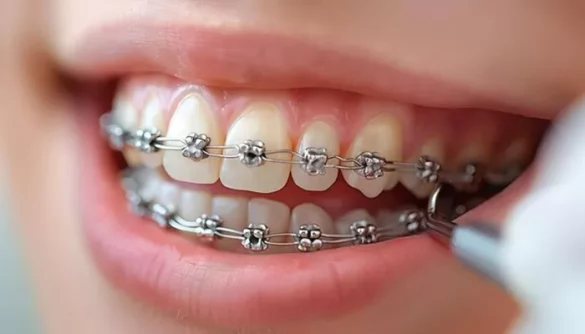
When teeth are extracted as part of an orthodontic treatment plan, a gap or space is left behind. This gap needs to close for proper alignment and aesthetics. Braces are a common method used by orthodontists to move teeth and close these extraction gaps. But how long does this process take? This article aims to explain the typical timeframes, factors affecting closure speed, and important dental considerations during treatment, including issues related to gum disease and sensitive teeth.
What Are Extraction Gaps?
Extraction gaps are spaces left after one or more teeth are removed. These extractions may be necessary due to overcrowding, tooth decay, trauma, or orthodontic reasons. The main goal after extraction is to close these gaps so the remaining teeth can be aligned properly and function well.
How Braces Close Extraction Gaps
Braces work by applying gentle, consistent pressure to teeth. This pressure causes the teeth to slowly move through the bone. The bone around the teeth remodels — bone breaks down on one side and builds up on the other — allowing teeth to shift into the space. Closing extraction gaps with braces typically involves moving the adjacent teeth into the empty space.
The Role of Orthodontic Mechanics
Different orthodontic mechanics may be used to close gaps, including:
- Elastic chains that connect brackets and pull teeth together
- Power chains that provide continuous force over multiple teeth
- Springs and wires adjusted to move teeth efficiently
Typical Timeframe to Close Extraction Gaps with Braces
The time needed to close extraction gaps varies but typically ranges from 3 months to 12 months. This depends on many factors such as the size of the gap, the patient’s age, bone density, and how well the patient follows orthodontic instructions.
Small vs. Large Extraction Gaps
Small gaps from single extractions can sometimes close within 3 to 6 months. Larger gaps, such as those from multiple extractions or premolar removal for severe crowding, may take closer to 9 to 12 months or even longer.
Age and Bone Remodeling Speed
Younger patients tend to experience faster tooth movement due to more active bone remodeling. Adults usually take longer because bone turnover slows with age.
Patient Compliance
Following orthodontist instructions is crucial. Wearing elastics or appliances as prescribed speeds up the process. Missing appointments or poor oral hygiene can delay gap closure.
Factors Affecting the Speed of Gap Closure
Bone Density and Health
Healthy bone allows teeth to move more easily. Patients with low bone density, often due to age or certain medical conditions, may see slower gap closure. Bone quality can also be affected by gum disease, which weakens bone supporting teeth.
Gum Disease and Its Impact
Gum disease (periodontal disease) causes inflammation and bone loss around teeth. If gum disease is present during orthodontic treatment, it can slow down or complicate the closing of extraction gaps. Active gum disease may require treatment before or during braces to maintain healthy gums and bone.
Sensitive Teeth During Orthodontic Movement
Tooth movement during braces can cause temporary sensitive teeth due to pressure on nerves and changes in the periodontal ligament. Sensitivity may increase during the gap closure phase, but it usually improves as teeth settle.
Orthodontic Treatment Plan and Techniques
The specific treatment approach influences timing. Some plans use space maintainers or implants instead of closing gaps. Others focus on faster movement with more frequent adjustments. Modern techniques like self-ligating braces or clear aligners may also affect the timeline.
Dental Care During Gap Closure
Maintaining good oral hygiene is vital when wearing braces, especially when closing extraction gaps. Braces and gaps can trap food and plaque, increasing the risk of gum disease and tooth decay.
Managing Gum Disease Risks
Orthodontic patients must regularly clean teeth and gums to prevent gum disease. Gum inflammation can cause swelling, bleeding, and bone loss, hindering tooth movement. Regular dental check-ups and professional cleanings help control gum disease during treatment.
Handling Sensitive Teeth
Patients experiencing sensitive teeth can use toothpaste formulated for sensitivity. Avoiding very hot or cold foods and drinks helps reduce discomfort. If sensitivity persists, orthodontists may adjust force levels or recommend treatments.
What Happens After Extraction Gaps Close?
Once gaps close, braces continue to hold teeth in their new positions and refine the bite. This retention phase is important to prevent gaps from reopening. Sometimes, additional appliances or retainers are used after braces are removed.
Long-Term Stability
Proper gum health supports the stability of moved teeth. Untreated gum disease can lead to tooth mobility and gaps reopening. Continued dental care is essential for long-term success.
FAQs
Can Extraction Gaps Close Naturally Without Braces?
Small gaps sometimes close naturally over time due to normal tooth movement, but larger gaps usually require orthodontic treatment. Leaving gaps untreated may cause bite problems and gum issues.
Is Closing Extraction Gaps Painful?
Some discomfort or soreness is normal during tooth movement, but severe pain is rare. Sensitivity can occur but is manageable with care and sometimes medication.
Are There Risks if Gaps Do Not Close Properly?
Persistent gaps may cause food trapping, leading to gum disease and decay. They can also affect speech and smile aesthetics.
Conclusion
Closing extraction gaps with braces is a gradual process that typically takes between 3 and 12 months. The exact timeframe depends on multiple factors like gap size, patient age, bone health, and compliance with treatment. Managing oral hygiene and gum health during this period is crucial to prevent gum disease and control sensitive teeth. With proper care and professional guidance, extraction gaps can be closed successfully, resulting in a healthier, more attractive smile.