


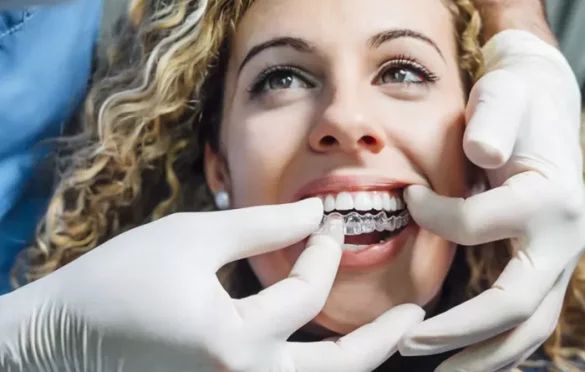
Retainers are dental devices used after orthodontic treatment to maintain teeth alignment. After braces or Invisalign, teeth tend to shift back to their original position. Wearing a retainer helps keep your smile straight and prevents relapse.
Orthodontists recommend retainers because teeth are not fixed permanently in their new position. The bone and gum tissues around teeth need time to stabilize after braces. Without retainers, your teeth may move, undoing months or years of dental work.
Why Teeth Shift After Orthodontic Treatment
Teeth are held in place by the periodontal ligament, a flexible tissue that allows slight movement. When braces move teeth, this ligament adjusts slowly. After treatment, the bone remodeling process continues for months or years, which means teeth can shift back.
Other factors can also cause teeth to move over time:
- Aging naturally causes teeth to shift slightly.
- Gum disease and bone loss reduce support around teeth.
- Habits such as teeth grinding or tongue thrusting apply pressure.
- Wisdom teeth eruption can push adjacent teeth out of alignment.
Types of Retainers and Their Usage
There are mainly three types of retainers:
1. Hawley Retainers
These are removable retainers made with a plastic base and metal wires. They are durable and adjustable but visible when worn.
2. Clear Plastic Retainers
Also called Essix retainers, these are transparent and fit over your teeth like a mouthguard. They are less noticeable but may wear out faster.
3. Fixed (Bonded) Retainers
These are thin wires permanently glued behind the front teeth. They are invisible and require no compliance but need good oral hygiene to prevent gum disease.
Do You Have to Wear Your Retainer Forever?
The short answer is: yes and no. It depends on your orthodontist’s advice, your age, and your individual dental condition.
However, many dental professionals agree that long-term or lifelong retainer use is the best way to maintain your teeth’s position.
Here is a breakdown of retainer wearing phases:
1. Full-Time Retainer Wear
Right after braces removal, orthodontists usually recommend full-time retainer wear (about 20-22 hours daily) for several months. This phase helps teeth settle into the new bone and gum positions.
2. Part-Time Retainer Wear
After the initial phase, many patients switch to part-time wear, such as only at night. This can continue for years depending on the risk of relapse.
3. Long-Term or Lifelong Wear
Teeth can shift throughout life, so many experts recommend wearing retainers indefinitely, especially at night. Skipping retainer use can lead to movement that might require retreatment.
Why Some People Can Stop Wearing Retainers
Some patients may stop retainer wear after a few years if:
- They have stable teeth with no signs of movement.
- They are older and their bone structure is stable.
- They have permanent bonded retainers behind their teeth.
But even then, occasional use or check-ups are important. Teeth can still move with aging, gum disease, or changes in oral habits.
The Risks of Not Wearing Your Retainer
Not wearing a retainer as prescribed can lead to several dental issues:
Teeth Shifting and Misalignment
The most obvious risk is teeth moving out of their corrected positions. This can cause bite problems, uneven wear, and affect your smile.
Increased Risk of Gum Disease
Misaligned teeth can create hard-to-clean areas where plaque builds up. This raises the risk of gum disease, which can lead to inflammation, bleeding gums, and even tooth loss.
Development of Sensitive Teeth
When teeth shift, they may expose roots or areas less protected by enamel, leading to increased sensitivity to hot, cold, or sweet stimuli.
Cost and Discomfort of Retreatment
If teeth move significantly, retreatment with braces or aligners might be necessary, which can be expensive and time-consuming.
How to Care for Your Retainer
Proper retainer care is essential for effectiveness and oral health:
- Clean your retainer daily using a toothbrush and mild soap or retainer cleaner.
- Avoid hot water, which can warp plastic retainers.
- Store the retainer in its case when not in use to prevent damage and loss.
- Visit your orthodontist regularly to check retainer fit and dental health.
Managing Gum Disease and Sensitive Teeth with Retainers
If you have gum disease, it is critical to maintain excellent oral hygiene when wearing retainers, especially fixed ones. Plaque can accumulate around bonded wires, worsening gum inflammation.
Regular dental cleanings and check-ups are important to control gum disease. If you experience sensitive teeth, discuss this with your dentist. Sometimes, adjustments to your retainer or treatments like desensitizing toothpaste can help.
When to Talk to Your Orthodontist About Retainers
You should consult your orthodontist if you notice:
- Your retainer no longer fits properly.
- Your teeth feel loose or start to shift.
- Increased gum irritation or bleeding around your retainer.
- Discomfort or increased tooth sensitivity.
They may recommend a new retainer, treatment for gum disease, or other interventions to protect your dental health.
Conclusion
Wearing a retainer is crucial to maintain your teeth alignment after orthodontic treatment. Although you may reduce wear over time, many dental experts recommend lifelong night-time use to prevent shifting.
Failing to wear your retainer can lead to teeth movement, gum disease, and sensitive teeth. Proper care and regular dental visits help you maintain a healthy and beautiful smile. Ultimately, whether you wear your retainer forever depends on your unique dental situation, but consistency and care are key to long-term success.