


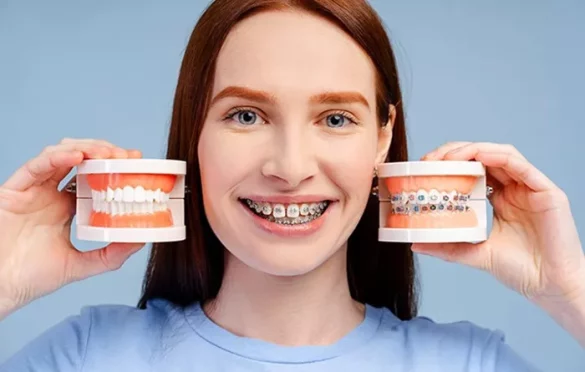
Liberty Dental is a popular dental insurance provider that offers a range of plans designed to help cover dental costs. Many people considering orthodontic treatment often ask, does Liberty Dental cover braces? This article will provide a thorough and fact-based explanation about Liberty Dental’s coverage of braces, including what types of plans may include orthodontic benefits and what limitations might apply.
Understanding your dental insurance plan before starting orthodontic treatment is important. Braces can be expensive, and knowing if your plan covers braces can help you plan financially. We will also discuss related dental health issues like gum disease and sensitive teeth to give you a well-rounded view of your dental care needs.
What Is Orthodontic Treatment and Why Are Braces Important?
Orthodontic treatment involves correcting irregularities in teeth and jaws, improving dental alignment, and promoting overall oral health. Braces are the most common orthodontic device used to straighten teeth, close gaps, and correct bite problems.
Proper orthodontic care is essential not just for appearance, but for oral function. Misaligned teeth can cause problems such as difficulty chewing, jaw pain, increased plaque buildup, and gum disease. Sensitive teeth can also be aggravated by improper bite or crowding. Therefore, braces help prevent these dental issues by improving oral hygiene accessibility and function.
Overview of Liberty Dental Insurance Plans
Liberty Dental offers various dental insurance plans, including individual and family plans, as well as group plans provided by employers. These plans typically cover preventive, basic, and major dental services, but coverage for orthodontics, such as braces, varies.
Liberty Dental’s network and plans can differ by state and employer group. Most plans have a deductible, copays, and annual maximum limits. Orthodontic coverage is often treated separately with specific rules.
Types of Liberty Dental Plans
DHMO (Dental Health Maintenance Organization) Plans: Usually lower-cost plans with limited provider networks. Orthodontic coverage depends on the specific plan and contract.
DPPO (Dental Preferred Provider Organization) Plans: Offer more flexibility in provider choice. Some DPPO plans include orthodontic coverage as an optional rider or in higher-tier plans.
Dental Discount Plans: These are not insurance but offer discounts on dental procedures including braces, but do not cover costs directly.
Does Liberty Dental Cover Braces? The Facts
In general, Liberty Dental insurance may cover braces, but it depends largely on the specific plan you have. Coverage for orthodontic treatment is often optional or only available on certain plans designed for families or children.
Many Liberty Dental plans that include braces coverage focus on patients under the age of 19, following federal guidelines like the Affordable Care Act that encourage pediatric dental benefits. Adult orthodontic coverage is less common and may require an additional premium.
Common Conditions for Braces Coverage
When Liberty Dental covers braces, certain conditions usually apply:
Age Limits: Most plans cover braces for children and teens up to age 19.
Pre-Authorization: Approval is often required before starting treatment to confirm medical necessity.
Lifetime Maximums: Orthodontic benefits usually have a separate lifetime maximum, often ranging from $1,000 to $2,500.
Waiting Periods: Some plans require a waiting period of 6-12 months before orthodontic benefits kick in.
How to Check If Your Liberty Dental Plan Covers Braces
To confirm your braces coverage, follow these steps:
Review Your Policy Documents: Look for sections about orthodontic coverage, limitations, and exclusions.
Contact Liberty Dental Customer Service: Call the number on your insurance card and ask about braces coverage, including age limits and costs.
Ask Your Orthodontist: Your orthodontic provider can help verify insurance benefits and assist with pre-authorization.
Check Online Portal: Many Liberty Dental plans have online portals where you can see your benefits and coverage details.
Understanding Costs: Copays, Deductibles, and Maximums
Even if Liberty Dental covers braces, you will likely still have out-of-pocket expenses. These may include:
Deductibles: The amount you pay before insurance coverage starts.
Copayments or Coinsurance: A percentage or fixed amount you pay for each treatment.
Annual or Lifetime Maximum: The maximum amount your plan will pay toward braces during a year or lifetime.
Because orthodontic treatment is costly, these limits matter a lot. For example, if the lifetime maximum is $1,500 but your braces cost $5,000, you will pay the remaining $3,500 out of pocket.
Common Exclusions and Limitations in Liberty Dental Orthodontic Coverage
Some common reasons Liberty Dental might deny braces coverage include:
Treatment for Cosmetic Reasons: If braces are deemed purely cosmetic, coverage might be denied.
Adult Orthodontics: Many plans exclude orthodontic treatment for adults unless you buy an additional rider.
Pre-Existing Conditions: If treatment was planned before the policy start date, benefits may not apply.
Not Meeting Medical Necessity: If the insurer determines the braces are not medically necessary, coverage may be refused.
Other Important Dental Health Topics Related to Braces
Gum Disease and Orthodontic Treatment
Gum disease, or periodontal disease, is an infection of the gums caused by bacteria buildup. If untreated, it can lead to tooth loss. Braces can make cleaning teeth harder, which may increase the risk of gum disease.
Before starting braces, your orthodontist will check your gum health. If you have gum disease, it needs treatment first to avoid worsening during orthodontics. Liberty Dental plans usually cover gum disease treatment separately from braces.
Sensitive Teeth During and After Braces
Teeth can become sensitive during orthodontic treatment due to movement and pressure. This sensitivity is usually temporary. Using toothpaste for sensitive teeth and maintaining excellent oral hygiene can help reduce discomfort.
If you experience prolonged sensitivity or pain, consult your dentist or orthodontist immediately to rule out cavities, gum issues, or other problems.
Importance of Regular Dental Care with Braces
While wearing braces, maintaining healthy teeth and gums is essential. Regular dental check-ups, professional cleanings, and daily brushing and flossing reduce risks of cavities, gum disease, and tooth sensitivity.
Liberty Dental plans often emphasize preventive care by covering cleanings and exams, which helps protect your teeth while undergoing orthodontic treatment.
How to Maximize Your Liberty Dental Benefits for Braces
To get the most out of your Liberty Dental insurance for braces, consider these tips:
Enroll Early: Avoid waiting periods by enrolling before you need treatment.
Choose In-Network Providers: Liberty Dental may pay more if you see dentists or orthodontists in their network.
Pre-Authorization: Always get approval for braces treatment to prevent denied claims.
Understand Your Limits: Know your plan’s maximum benefits and plan your treatment accordingly.
Combine with Flexible Spending Accounts (FSA): Use FSAs or Health Savings Accounts (HSA) to pay for out-of-pocket costs with pre-tax dollars.
Alternatives if Liberty Dental Does Not Cover Braces
If your Liberty Dental plan does not cover braces, you still have options:
Dental Discount Plans: These plans offer reduced fees for braces but do not cover costs.
Orthodontic Financing: Many providers offer payment plans or financing for braces.
Health Savings Accounts: Use HSAs or FSAs to save for orthodontic costs.
Shop Around: Compare costs from multiple orthodontists and ask about specials or promotions.
Conclusion
Liberty Dental may cover braces, especially for children and teens, but coverage depends on your specific plan. Understanding your benefits, limitations, and costs is crucial before starting orthodontic treatment. Remember to check for waiting periods, lifetime maximums, and medical necessity requirements.
Braces not only improve appearance but also help prevent gum disease, tooth sensitivity, and other dental problems caused by misaligned teeth. Good oral hygiene and regular dental care are vital during orthodontic treatment.