


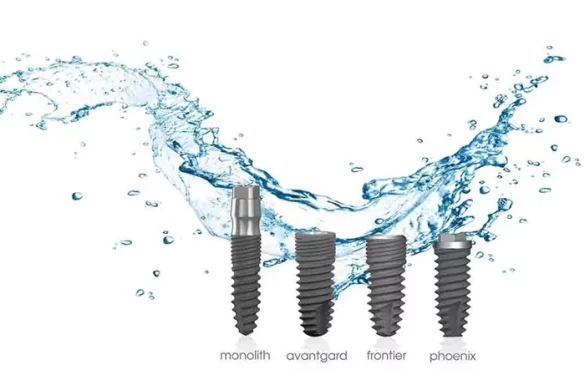
GMI Dental Implants, developed by Global Medical Implants (GMI), are at the forefront of dental implantology. Founded in 1972 in Spain, GMI has spent decades perfecting advanced solutions for tooth replacement. Their products help restore smiles and chewing function for patients worldwide. GMI implants have expanded to over 48 countries, driven by their quality and commitment to innovation, scientific research, and efficient services.
GMI Dental Implants address a variety of dental problems, such as missing teeth from gum disease, trauma, or decay. Dental implants help patients regain confidence in their smiles, improve oral function, and promote better oral health. For individuals who struggle with sensitive teeth or have had complications with other dental options, GMI implants offer an effective and reliable alternative.
Why Choose GMI Dental Implants?
Superior Quality and Rigorous Standards
GMI is dedicated to producing high-quality implants through strict scientific and technological research and continuous innovation. This reputation is reflected in their extensive use across dental practices, universities, and clinics globally.
Wide Range of Solutions
With multiple implant systems like Frontier, Monolith, and Avantgard, GMI offers versatile solutions for various clinical needs, jaw structures, and patient requirements.
Proven Track Record
GMI’s decades of experience, focus on restoring smiles, and commitment to enhancing patients’ quality of life have made their systems a top choice among dental professionals.
Excellent Biocompatibility
GMI implants are made from pure grade 4 titanium and utilize advanced surface treatments for outstanding integration with jawbone and soft tissue, minimizing the risk of implant rejection or sensitivity.
Comprehensive Support
GMI provides not just implants, but also compatible prosthetics, abutments, surgical guides, and ongoing technical support to ensure both clinicians and patients achieve the best results.
Types of GMI Dental Implants and Their Applications
GMI offers several lines of dental implants, each designed to suit different anatomical and clinical scenarios. The main implant systems include:
Frontier
Type: Bone-level implant
Connection: Internal hexagonal, deep conical
Applications: Used for standard indications in both upper and lower jaws, supporting crowns, bridges, or overdentures.
Key Features:
Available in five diameters (3.3 mm to 5.75 mm) for optimal adaptation.
Integrated platform switching creates space for biological tissue, promoting gum health and minimizing bone resorption.
Cortical micro-threading enhances bone-implant contact and stability.
Monolith
Type: Tissue-level implant
Connection: One-piece, ball-type.
Applications: Frequently used for immediate placement or when there is limited bone. Suitable for fixed or removable prostheses.
Key Features:
Simplified design aids in easier placement and cleaning for patients with sensitive teeth or limited dexterity.
Compatible with tissue-level prosthetics and ideal for areas at higher risk of gum disease.
Avantgard and Other Specialty Implants
Types: Niche and advanced systems for complex cases
Applications: Designed for unique anatomical conditions such as narrow ridges, atrophic jaws, or full-arch restorations.
Key Features:
Available in varying lengths and diameters.
Allow for selection based on bone density, location, and esthetic requirements.
Prosthetic Components and Accessories
GMI provides a wide array of compatible prosthetic parts:
- Angled and straight abutments
- Impression copings
- Titanium bases
- Multi-unit abutments
- Locator and ball attachments
These ensure clinicians can deliver custom solutions tailored for single, multiple, or full-arch restorations.
How Much Do GMI Dental Implants Cost?
The price of GMI Dental Implants varies by region, case complexity, and the prosthetic components chosen. Several factors influence the final cost:
Implant Type and Number
Costs increase with the number of implants required. Single-tooth replacements are less expensive than full-mouth restorations.
Additional Treatments
Procedures such as bone grafting, sinus lifts, or gum disease management may be necessary before implant placement, adding to the cost.
Location and Expertise
Clinics in major cities or those with highly specialized implantologists may charge higher fees.
Typical Price Range
Standard GMI implant (per unit): $1,000 to $2,500 (including surgery and basic restoration; prices vary based on region and complexity).
Full-arch solutions: $10,000 to $25,000 or more. Complex cases, extensive dental work, or premium prosthetic options may elevate costs further.
Patients should consult with their dentist or implant specialist to get a personalized quote and understand the full scope of treatment.
Material of GMI Dental Implants
GMI implants are manufactured from pure grade 4 titanium. This grade is chosen for its excellent balance of strength, biocompatibility, and resistance to corrosion. Titanium is hypoallergenic and integrates well with bone, reducing the risk of adverse reactions or sensitivity.
Advanced Surface Treatment (ADS): The titanium implants are enhanced through a proprietary surface modification technique that increases surface area and improves osseointegration, even in patients with lower bone density or compromised bone conditions.
Micro-threading and Conical Connections: These engineering details enhance bone contact and provide long-term stability.
Who is a Candidate for GMI Dental Implants?
Dental implants are indicated for adult patients who are missing one or more teeth due to decay, trauma, or gum disease. Good candidates for GMI implants typically meet these criteria:
Sufficient Bone Volume: Adequate bone is necessary to accommodate implants. In cases of bone loss, grafting can be considered.
Healthy Gums: Absence of active gum disease is important to prevent infection and ensure long-term implant success.
Good Oral Hygiene: Commitment to proper cleaning and regular dental check-ups is essential for longevity.
General Health: Patients with conditions such as uncontrolled diabetes, active infections, or heavy smokers may need special assessment.
No Untreated Periodontal Disease: Active gum disease must be managed prior to any implant surgery.
Sensitive Teeth or Prosthetic Allergies: GMI’s titanium material is especially suitable for individuals with dental sensitivities or allergies to other metals.
Children and adolescents whose jawbones are still developing are not typically candidates until growth is complete.
Clinical Benefits of GMI Dental Implants
Implant systems by GMI are engineered to deliver multiple clinical advantages:
Restoration of Function: GMI implants restore chewing ability, speech, and confidence for those who have lost teeth.
Aesthetic Results: Implants support natural-looking crowns and bridges for an attractive smile.
Bone and Gum Preservation: Platform switching and micro-threaded designs help preserve bone around the implant and support healthy gums, reducing the risk of recession related to gum disease.
Stability and Longevity: High primary stability and secure connections ensure the implant remains functional over the long term.
Comfort: The titanium material is well tolerated and suitable for those with sensitive teeth or previous allergic reactions.
Versatility: Suitable for a wide range of cases, from single-tooth restoration to complex full-mouth rehabilitation.
Reduced Sensitivity: For patients who experience discomfort with removable prosthetics or bridges due to sensitive teeth, implants provide a fixed, comfortable alternative.
FAQs
Can people with gum disease get GMI implants?
Active gum disease must be treated before implant placement. However, once stabilized, patients can be excellent candidates.
Are GMI implants suitable for people with sensitive teeth?
Yes. The hypoallergenic titanium and snug fit mean GMI implants are well tolerated and an excellent choice for sensitive teeth.
How long do GMI implants last?
With good oral hygiene and regular check-ups, GMI implants can last several decades, sometimes a lifetime.
What if I do not have enough bone for an implant?
You may need a bone graft or sinus lift before placing the implant. GMI offers various lengths and diameters to adapt to different levels of bone availability.
Conclusion
GMI Dental Implants are a trusted and innovative solution in restorative dentistry. With their origins in Spain and a legacy of scientific advancement, GMI offers reliable, safe, and natural solutions for tooth replacement. Whether you struggle with gum disease, have sensitive teeth, or are just seeking an alternative to traditional dentures, GMI’s range of implants and support systems cater to most patient needs. Patients benefit from enhanced oral function, aesthetics, and long-term oral health.