


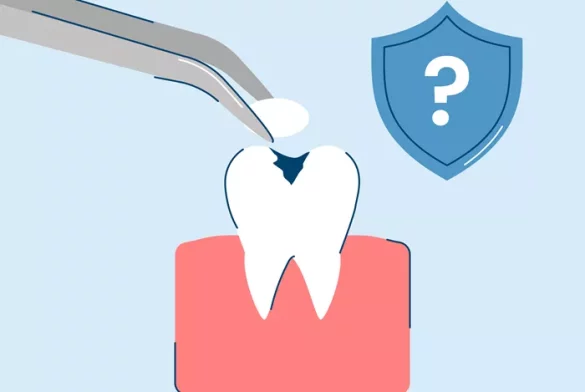
Tooth decay is a widespread issue affecting people of all ages. One of the most common treatments for this condition is a dental filling. When left untreated, cavities can lead to serious dental issues such as gum disease, sensitive teeth, and even tooth loss. Dental insurance can significantly reduce the cost of treatment, but the actual expense depends on several factors.
Why Dental Fillings Are Important
Cavities, or dental caries, are holes in the tooth caused by bacterial activity. These bacteria break down sugars into acids, eroding the enamel and creating a cavity. If not treated early, the decay can progress, causing toothache, sensitivity, infections, and even the need for a root canal or extraction.
Dental fillings restore the tooth’s structure and function. They stop decay from spreading and relieve pain. Fillings are essential not only for oral health but also to prevent complications like gum disease and sensitive teeth.
What Determines the Cost of a Filling?
The cost of a cavity filling with insurance depends on various factors. Here are the main elements that influence pricing:
Type of filling material – Composite, amalgam, gold, and porcelain all vary in cost.
Location of the cavity – Molars, bicuspids, and front teeth have different access levels and size concerns.
Extent of decay – Larger cavities may require more extensive work and materials.
Dentist fees and location – Prices can vary based on region and the dentist’s experience.
Insurance coverage level – Coverage may vary based on the policy’s annual maximum, deductible, and co-pay structure.
Average Cost of Cavity Fillings With Insurance
Insurance can cover up to 50% to 80% of basic dental procedures, including cavity fillings. The typical costs after insurance might include:
- Amalgam (Silver) Fillings: $20 to $75 per tooth
- Composite (Tooth-Colored) Fillings: $40 to $150 per tooth
- Gold Fillings: $250 to $600 or more per tooth
- Porcelain Fillings: $300 to $1,000 per tooth
For example, if a composite filling costs $150 and your insurance covers 80%, you would pay $30 out of pocket. However, if you’ve reached your annual maximum, you may be responsible for the full cost.
What Types of Insurance Cover Fillings?
Most dental insurance plans fall into three categories:
Dental Health Maintenance Organizations (DHMOs) – Lower premiums, limited providers, and predictable costs.
Preferred Provider Organizations (PPOs) – Larger provider networks and more flexibility, but higher out-of-pocket costs.
Indemnity Plans – Pay a percentage of the cost for any licensed dentist, often up to a certain limit.
Coverage usually falls under “basic services,” which include cavity fillings. It’s important to check whether your plan categorizes all filling types as basic or views composite or porcelain options as cosmetic.
Filling Types and Insurance Coverage Explained
Here is a closer look at the four most common types of fillings and how insurance applies:
1. Amalgam Fillings
These are durable and cost-effective. Insurance plans typically cover them fully or at a high percentage because they’re considered standard care.
2. Composite Resin Fillings
These tooth-colored fillings are more aesthetic but can be more expensive. Some insurance plans only cover them for front teeth or pay the amount equivalent to an amalgam filling.
3. Gold Fillings
Gold fillings are long-lasting but costly. Many insurers categorize them as elective or cosmetic, offering limited or no coverage.
4. Porcelain Fillings (Inlays/Onlays)
Porcelain offers strength and beauty but is often viewed as a premium service. Insurance may pay a portion equivalent to a standard filling, leaving the patient to cover the rest.
Out-of-Pocket Costs Without Insurance
For patients without dental insurance, costs can range widely:
- Amalgam: $100–$250
- Composite: $150–$450
- Gold: $400–$1,500
- Porcelain: $500–$2,000
Paying without insurance may also mean paying for diagnostics, exams, and X-rays. These can add an additional $100–$200 to the overall cost.
Do Dental Savings Plans Help?
A dental savings plan is not insurance but can offer substantial discounts on treatments, including fillings. These plans typically require a yearly membership fee and provide 10–60% discounts.
How to Maximize Your Dental Insurance
Here are some tips to reduce your out-of-pocket cost:
Use in-network providers to receive full insurance benefits.
Understand your coverage—review annual maximums and co-pay requirements.
Schedule regular checkups to detect cavities early, preventing more costly treatments.
Ask for a pre-treatment estimate to avoid unexpected expenses.
Other Dental Concerns That May Affect Costs
Sometimes, what seems like a simple cavity may reveal more extensive oral health issues. For instance:
Gum disease may require periodontal treatment before fillings can be placed.
Sensitive teeth may necessitate special materials or desensitizing treatments before the filling.
Root exposure or cracked teeth may require more than just a filling, such as crowns.
Preventing Cavities and Reducing Costs
Preventive care is the best way to avoid expensive dental treatments. Here’s how you can reduce your risk of cavities:
Brush twice daily with fluoride toothpaste.
Floss at least once a day to remove plaque between teeth.
Visit the dentist every six months for cleanings and exams.
Limit sugary foods and drinks.
Use fluoride rinses if you have sensitive teeth or are prone to decay.
Good oral hygiene not only prevents cavities but also helps protect against gum disease, tooth loss, and costly procedures.
Conclusion
Cavity fillings are essential for maintaining oral health and avoiding long-term damage. With insurance, the cost of filling a cavity is manageable, especially if detected early. To get the most from your policy, know your benefits, use in-network dentists, and maintain excellent oral hygiene.
By addressing cavities promptly and using your dental insurance wisely, you can keep your smile healthy while avoiding complications like sensitive teeth and gum disease. Prevention, early treatment, and smart insurance use are the keys to affordable and effective dental care.