


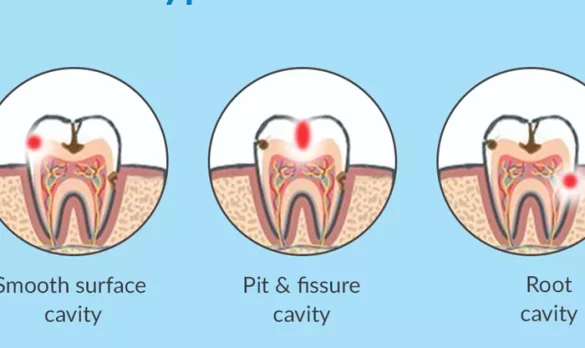
A cavity near the gum line is a common dental issue that often goes unnoticed until it causes discomfort or visible damage. Unlike typical cavities that form on the biting surfaces of teeth, gum line cavities appear at the junction where the tooth meets the gums. This area is more vulnerable to decay due to plaque buildup, gum disease, and sometimes improper oral hygiene. Understanding what a gum line cavity looks like and how it develops is important to protect your teeth and avoid complications such as gum disease and sensitive teeth.
What is a Gum Line Cavity?
A gum line cavity, also known as a cervical caries lesion, develops at the tooth’s neck or root surface close to the gum. This area can be softer and more prone to decay because it sometimes has less enamel coverage than the tooth crown. Gum recession caused by gum disease or aggressive brushing exposes the root surface, which is made of dentin and more vulnerable to acid attack from plaque bacteria.
Why Are Gum Line Cavities Different?
Unlike regular cavities, gum line cavities tend to be harder to detect early. They often form below the gum margin or just at the edge, where plaque accumulates. This can lead to inflammation, bleeding gums, and sensitive teeth when the cavity grows and affects the nerve endings in the dentin.
What Does a Gum Line Cavity Look like?
Recognizing what a gum line cavity looks like can help you seek dental care early. Below are common signs and visual clues:
1. Dark or Brown Spots Near the Gum Line
One of the first signs is the appearance of a small dark spot or discoloration at the gum line. This spot may range from light brown to almost black. Unlike staining, these spots are usually irregular in shape and cannot be removed by brushing alone.
2. Visible Pits or Holes at the Tooth Neck
As the cavity progresses, you may notice a small pit or hole near the base of the tooth. This may be subtle and only visible under good lighting or with dental tools. The cavity surface can feel rough or soft if gently probed by a dentist.
3. Gum Inflammation or Recession Around the Area
The surrounding gums may look red, swollen, or may bleed easily during brushing or flossing. This inflammation can be a sign of early gum disease, which often accompanies gum line cavities and worsens their progression.
4. Tooth Sensitivity to Temperature or Touch
If the cavity affects the dentin layer, it may cause sensitive teeth when exposed to cold, hot, or sweet stimuli. You might feel sharp or aching pain near the gum line, especially when eating or drinking.
Causes of Gum Line Cavities
Several factors contribute to the formation of gum line cavities. Understanding these can help prevent or slow down decay.
Poor Oral Hygiene
Inadequate brushing and flossing allow plaque to accumulate near the gum line. Plaque contains bacteria that produce acids, which dissolve the tooth’s mineral structure and cause decay.
Gum Disease and Recession
Gum disease, such as gingivitis or periodontitis, causes the gums to pull away from the teeth, exposing the root surfaces. These roots are softer and more prone to decay, increasing the risk of cavities in this area.
Aggressive Brushing
Brushing too hard or using a hard-bristled toothbrush can wear down enamel and irritate gums, leading to gum recession and making the tooth neck vulnerable to cavities.
Diet and Lifestyle
Frequent consumption of sugary or acidic foods and drinks can increase the acid load in the mouth, contributing to tooth decay near the gum line. Smoking and dry mouth conditions also reduce saliva’s protective effects, promoting cavity formation.
Relationship Between Gum Line Cavities and Gum Disease
Gum disease and gum line cavities often go hand-in-hand. When gums are inflamed, swollen, or receded, the tooth roots become exposed and prone to decay. Conversely, the presence of cavities near the gum line can worsen gum inflammation due to increased bacterial activity and plaque retention.
Stages of Gum Disease Related to Cavities
In the early stage, gingivitis causes red, swollen gums that bleed easily. If untreated, it progresses to periodontitis, where gums pull away and pockets form, exposing root surfaces. These exposed roots are common sites for gum line cavities.
Symptoms and Complications of Gum Line Cavities
Early Symptoms
- Mild sensitivity when eating or drinking hot, cold, or sweet foods.
- Visible discoloration near the gum line.
- Occasional gum bleeding during brushing or flossing.
Advanced Symptoms
- Persistent pain or aching near the affected tooth.
- Deep holes or pits at the tooth base.
- Increased gum recession exposing more root.
- Bad breath or bad taste due to bacterial infection.
Potential Complications
If left untreated, gum line cavities can lead to:
- Tooth sensitivity worsening to constant pain.
- Spread of decay to the tooth pulp causing infection.
- Increased risk of tooth loss due to combined decay and gum disease.
- Abscess formation and systemic infections in severe cases.
How Dentists Diagnose a Gum Line Cavity
Because gum line cavities are often hidden and develop below the gum margin, a dental professional uses various methods to detect them early.
Visual Examination
The dentist inspects the gum line closely for any discolorations, pits, or irregularities. They may use special lights or magnification tools for better visualization.
Dental Probing
Using a dental explorer, the dentist gently probes the tooth near the gum line to feel for soft spots or rough surfaces indicating decay.
X-rays
Dental X-rays help detect cavities hidden beneath the gums or between teeth. Bitewing X-rays are commonly used to spot early gum line decay.
Sensitivity Testing
Sometimes, dentists apply cold or other stimuli to assess tooth sensitivity and confirm the extent of decay affecting the dentin or pulp.
Treatment Options for Gum Line Cavities
The treatment depends on the cavity size, location, and the condition of surrounding gums and tooth structure.
Fluoride Treatments and Remineralization
For very early gum line decay, fluoride varnishes or gels can help remineralize the enamel and stop progression.
Dental Fillings
If the cavity has formed a hole, the dentist will remove the decayed tissue and restore the tooth with a filling. Materials like composite resin blend well with natural tooth color and bond strongly near the gum line.
Gum Treatment
If gum disease is present, scaling and root planing (deep cleaning) may be necessary to remove plaque and tartar below the gum line and reduce inflammation.
Root Canal Therapy
If decay reaches the pulp or nerve inside the tooth, root canal treatment may be required to remove infection and save the tooth.
Preventive Measures
Improved oral hygiene: gentle brushing with a soft-bristle toothbrush and flossing daily.
Regular dental checkups for early detection and cleaning.
Using toothpaste for sensitive teeth to protect exposed roots.
Limiting sugary and acidic food intake.
Quitting smoking and managing dry mouth conditions.
How to Prevent Gum Line Cavities
Prevention is always better than treatment, especially in vulnerable areas like the gum line. Follow these tips to keep your gums and teeth healthy:
Maintain Proper Oral Hygiene
Brush twice daily using gentle circular motions. Avoid harsh scrubbing that can cause gum recession. Floss daily to remove plaque between teeth and under the gum line.
Use Fluoride Toothpaste
Fluoride strengthens enamel and helps prevent cavities. Choose toothpaste specially formulated for sensitive teeth if you experience discomfort near the gums.
Regular Dental Visits
Professional cleanings remove plaque and tartar buildup that brushing alone cannot. Dentists can also spot early gum line cavities and treat gum disease promptly.
Healthy Diet
Limit sugary and acidic foods that feed decay-causing bacteria. Drink plenty of water to help wash away food debris and maintain saliva flow.
Avoid Tobacco and Manage Dry Mouth
Smoking weakens gum tissue and reduces saliva, increasing cavity risk. If you suffer from dry mouth, discuss treatments with your dentist to protect your teeth.
Understanding the Link Between Sensitive Teeth and Gum Line Cavities
Sensitive teeth often signal exposed dentin, which can result from gum line cavities or gum recession. When the protective enamel is lost near the gum line, external stimuli like temperature changes or sweet foods can trigger sharp pain.
Addressing gum line cavities early helps reduce sensitivity and prevent further damage. Using desensitizing toothpaste and following dental advice can ease discomfort.
Conclusion
Gum line cavities are a serious dental problem that often goes unnoticed until they cause pain or visible damage. Recognizing what a gum line cavity looks like—such as dark spots, pits near the gums, and sensitivity—is key to early treatment. These cavities are closely linked with gum disease and can contribute to sensitive teeth if untreated.
Good oral hygiene, regular dental visits, and a healthy lifestyle are the best defenses against gum line cavities. If you notice any signs near your gums, consult a dentist promptly to protect your dental health and avoid complications.