


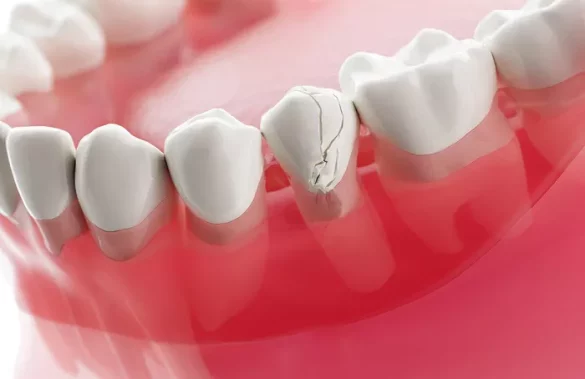
A broken tooth can be a painful and stressful experience, especially when immediate dental care is not available. Temporary fillings offer a reliable short-term solution to protect the tooth, relieve discomfort, and prevent further damage. In 2025, various over-the-counter options have become popular among users for managing sensitive teeth, preventing gum disease, and sealing cavities until a professional treatment is available.
This article will introduce the eight best temporary fillings for broken teeth available in 2025, highlight their pros and cons, and provide tips on proper usage. We also cover essential information on how these fillings can impact gum health, reduce pain from exposed nerves, and protect teeth from further decay.
What Are Temporary Fillings?
Temporary dental fillings are materials used to fill cavities, cracks, or broken areas of a tooth for a limited period. These fillings are commonly used when a permanent filling or crown can’t be placed immediately. They are helpful for those suffering from sensitive teeth or conditions such as gum disease, where immediate repair is crucial to avoid worsening symptoms.
Why You Might Need a Temporary Filling
- To protect a broken or chipped tooth
- To relieve pain caused by exposed dentin or nerves
- To seal a cavity temporarily before a dental appointment
- To prevent infection or worsening of gum disease
- To manage tooth sensitivity
Whether it’s due to trauma, decay, or an old filling falling out, temporary fillings provide a protective seal that can reduce discomfort and exposure to bacteria.
The 8 Best Temporary Fillings for Broken Tooth in 2025
1. Dentek Temparin Max Repair Kit
This is one of the most popular choices among consumers. It is easy to apply and provides relief for sensitive teeth immediately after application. Dentek Temparin Max is zinc oxide-based, which helps soothe nerves while protecting the broken area.
Pros:
- Quick relief for pain
- Lasts several days
- Great for use during travel
Cons:
- Not suitable for large cavities
- May fall out if not properly dried
2. CVS Health Temporary Lost Filling and Loose Cap Repair
This CVS brand solution works well for small to medium fillings. It adheres nicely to the tooth structure and is budget-friendly. It also contains eugenol to relieve pain and inflammation, a helpful feature for those with mild gum disease.
Pros:
- Easy to find in most drugstores
- Includes pain relief ingredients
- Ideal for minor damage
Cons:
- Doesn’t last as long as professional materials
- Can be messy to apply
3. Recapit Temporary Dental Cement
Formulated specifically for loose caps and crowns, Recapit is also an excellent choice for sealing broken molars or cracked fillings. It offers decent strength and resists saliva breakdown better than many other temporary solutions.
Pros:
- Strong bond to dental enamel
- Useful for multiple applications
Cons:
- Hard to remove if needed
- No built-in pain relievers
4. Tooth-Fil Temporary Dental Filling
This product is ideal for patients with sensitive teeth. Tooth-Fil’s ease of use and ability to mold into cracks make it great for emergencies. It is also helpful for children with temporary dental injuries.
Pros:
- User-friendly for non-professionals
- Affordable and widely available
Cons:
- Short lifespan—only a few days
- Not very resistant to chewing pressure
5. Red Devil First Aid Temporary Tooth Repair Kit
Red Devil’s formula is thick and durable. It comes with a small spatula and mixing guide for accurate application. Many users report pain relief within minutes. It also forms a solid shield that may help avoid bacterial exposure, reducing gum disease risk.
Pros:
- Durable sealant
- Convenient application tools included
Cons:
- May be difficult to remove later
- Not suitable for deep cavities
6. Dentemp Repair-It Dental Cement
Widely used by those with dentures, Dentemp Repair-It also offers a strong temporary fix for natural teeth. It sets quickly and resists saliva. This is helpful for users suffering from tooth sensitivity caused by cold beverages or air exposure.
Pros:
- Great for temporary denture and natural tooth repairs
- Fast-setting material
Cons:
- More effective on flat surfaces
- Does not always stick to enamel
7. Temparin Temporary Filling Material by Majestic Drug
This OTC product is often recommended by pharmacists due to its consistent performance. It molds well into irregular cavities and provides relief for both sensitive teeth and inflamed gums. Ideal for temporary use before a dental appointment.
Pros:
- Soothing formula for gum irritation
- Works well with molars
Cons:
- Hardens quickly—work fast
- Short-term only (up to 48 hours)
8. Dental Pro-Repair Kit by SmileFix
SmileFix’s dental repair kit stands out for its cosmetic appearance. It comes with whitening options and multiple shade choices. It is particularly popular with users who have broken a front tooth and want an aesthetic temporary fix.
Pros:
- Natural color matching
- Best for visible teeth
Cons:
- Not as durable as zinc-based fillers
- Not recommended for chewing surfaces
How to Use Temporary Dental Fillings Safely
Follow these steps for safe and effective temporary filling application:
- Clean the broken tooth with warm water and avoid scrubbing hard
- Dry the tooth thoroughly to ensure proper adhesion
- Apply the filler according to instructions, using the included tool or a clean finger
- Bite down gently to set the material, and avoid chewing on that side
- Monitor the area for signs of infection such as swelling or pus
If you experience pain, signs of worsening gum disease, or ongoing tooth sensitivity, consult a dentist as soon as possible.
When to See a Dentist
Temporary fillings are not a replacement for professional care. You should seek immediate dental treatment if:
- The filling keeps falling out
- Pain increases instead of subsiding
- There’s visible swelling or infection
- The tooth has turned gray or black
Conclusion
The year 2025 has brought several reliable options for managing broken teeth at home. Whether you’re dealing with tooth sensitivity, early gum disease, or emergency dental issues, these temporary fillings can help bridge the gap before professional care. Always follow directions and monitor your symptoms closely. The best approach is prevention—maintaining strong oral hygiene habits and seeing your dentist regularly will reduce the likelihood of dental emergencies.