


Many patients wonder if dentures are an option when suffering from periodontal disease, also known as gum disease. The answer is not a simple yes or no. While it is possible to get dentures if you have periodontal disease, several critical factors must be addressed first. Understanding the condition of your oral health, especially the condition of your gums and bone structure, is essential in determining your eligibility for dentures.
What is Periodontal Disease?
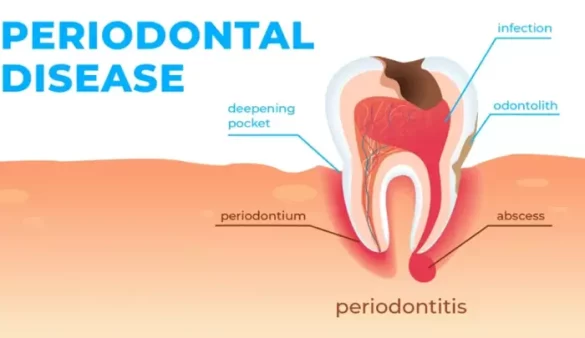
Periodontal disease is a chronic infection of the gums and the bone that supports your teeth. It begins with gingivitis, a mild form of gum disease characterized by red, swollen, and bleeding gums. If untreated, gingivitis can progress to periodontitis, a more severe condition that causes gum recession, tooth mobility, bone loss, and eventually tooth loss.
Some common symptoms of periodontal disease include:
- Red or swollen gums
- Persistent bad breath
- Bleeding while brushing or flossing
- Loose or shifting teeth
- Sensitive teeth
- Pain while chewing
The Relationship Between Dentures and Gum Disease
Before receiving dentures, your dentist needs to evaluate the health of your gums and supporting bone. This is especially important for people with periodontal disease. If the disease is active, it must be controlled before dentures can be successfully fitted. Fitting dentures over inflamed or infected gums can lead to pain, poor fit, and worsening of the disease.
In some cases, partial dentures may still be used when only a few teeth are lost due to gum disease. However, the remaining teeth and gums must be healthy enough to support them. For those who have lost all their teeth due to periodontal disease, full dentures or implant-supported dentures may be the best choice.
Steps to Take Before Getting Dentures with Gum Disease
If you have gum disease and are considering dentures, you’ll need to follow specific steps to prepare your mouth:
1. Professional Diagnosis
Your dentist or periodontist will conduct a full oral examination, including dental X-rays and probing of the gum pockets. This helps determine the severity of your gum disease and the extent of bone loss.
2. Treatment and Management
Depending on the stage of periodontal disease, your treatment may involve:
- Deep cleaning (scaling and root planing)
- Antibiotics
- Surgical interventions (e.g., flap surgery or bone grafts)
- Laser therapy
Stabilizing the disease is crucial before any denture can be fabricated.
3. Tooth Extractions
In advanced cases, teeth affected by periodontitis may need to be removed. Healing time is then required before denture placement.
4. Bone Assessment
Bone loss is common in gum disease and affects how well dentures fit. Your dentist may suggest bone grafting or ridge augmentation to restore the lost bone and provide better support for dentures.
Denture Options for Patients with Periodontal Disease
1. Conventional Full Dentures
These are suitable for patients who have lost all their teeth and have recovered from extractions and gum treatment. These dentures rest on the gums and require a good seal for proper retention.
2. Immediate Dentures
These are placed on the same day as the extractions. Although convenient, they often need adjustments as the gums heal and shrink over time.
3. Partial Dentures
For patients with some remaining teeth, partial dentures can be used. However, remaining teeth must be free from gum disease to support the appliance safely.
4. Implant-Supported Dentures
If bone structure is sufficient, dental implants can anchor the dentures. This is a more stable and durable option but requires healthy gums and good overall oral hygiene.
Challenges of Wearing Dentures with Sensitive Teeth and Gum Disease
Sensitive teeth and inflamed gums make it uncomfortable to wear dentures. In such cases, soft liners can be added to the denture base to reduce irritation. Denture adhesives may also help improve the fit and comfort.
Patients with a history of periodontal disease are also more likely to have dry mouth, another factor that affects denture retention and comfort. It is essential to manage dry mouth with saliva substitutes and proper hydration.
How to Care for Dentures and Gum Health
Maintaining oral hygiene is critical even when you wear dentures. Here are tips to care for your dentures and prevent the recurrence of gum disease:
- Clean your dentures daily with a non-abrasive cleaner
- Remove dentures at night to let your gums rest
- Soak dentures in an antibacterial solution
- Brush your gums and tongue with a soft toothbrush
- Use a fluoride mouthwash to prevent decay in remaining teeth
- Visit your dentist regularly for check-ups and adjustments
Preventing Gum Disease in the Future
Whether or not you wear dentures, preventing gum disease is essential. Here are simple steps to maintain healthy gums:
- Brush your teeth twice daily using fluoride toothpaste
- Floss regularly to remove plaque between teeth
- Eat a balanced diet rich in vitamins and minerals
- Avoid smoking, which increases the risk of gum disease
- Get professional dental cleanings every 6 months
When to Consult a Dental Professional
If you’re dealing with gum disease and thinking about getting dentures, consult your dentist or periodontist. They will create a treatment plan tailored to your needs. Even if you already wear dentures, seek help if you experience discomfort, pain, or looseness, as these may be signs of underlying gum issues.
FAQs
Can dentures stop the progression of gum disease?
No. Dentures do not cure or stop gum disease. Periodontal disease must be treated before denture fitting, and continuous care is needed afterward.
Can I wear dentures immediately after teeth are extracted?
Yes, but these are called immediate dentures. They may require frequent adjustments as the gums heal.
Are implants a good option for periodontal patients?
Implants are suitable only if the bone and gums are stable. Successful implant placement requires good oral hygiene and disease control.
Is it painful to wear dentures if I have sensitive gums?
Sensitive gums can make wearing dentures uncomfortable, especially during the adjustment phase. Soft liners and proper fit can improve comfort.
Conclusion
Yes, you can get dentures with periodontal disease, but only after the condition is stabilized. Managing gum disease is critical before, during, and after getting dentures. Patients with sensitive teeth or a history of gum infections need personalized dental care and ongoing maintenance to ensure denture success and oral comfort.
Work closely with your dental professional to ensure that your treatment plan supports your long-term oral health. With the right approach, dentures can restore your smile and function—even with a background of periodontal challenges.