


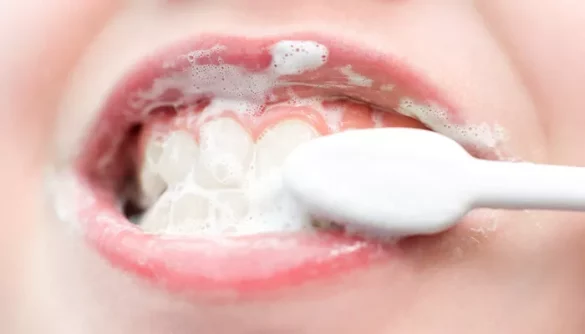
Peroxide, especially hydrogen peroxide, is a common ingredient in many teeth whitening products. People often wonder if it is safe to use peroxide on their teeth. This article will explain how peroxide works, its safety, and what to watch out for when using it. We will also discuss how peroxide can affect sensitive teeth and gum disease.
What Is Peroxide and How Does It Work on Teeth?
Hydrogen peroxide is a chemical that helps remove stains from teeth. It works by breaking down the colored molecules that cause discoloration. This process is called oxidation. When applied to the teeth, peroxide whitens them by making stains lighter or removing them completely.
Peroxide is often found in two forms for dental use: hydrogen peroxide and carbamide peroxide. Carbamide peroxide breaks down into hydrogen peroxide and urea. Both release oxygen that helps in the whitening process.
Concentration Levels of Peroxide
The safety and effectiveness of peroxide depend on its concentration. Over-the-counter whitening products usually contain between 3% and 10% hydrogen peroxide. Professional dental treatments may use concentrations as high as 35% but under strict supervision.
Lower concentrations are safer for home use, but they take longer to show results. Higher concentrations work faster but have more risks.
Is It Safe to Use Peroxide on Teeth at Home?
Using peroxide at home is generally safe if you follow the instructions carefully. Most over-the-counter whitening products have low peroxide levels to reduce risks. However, misuse or overuse can cause problems.
Always avoid swallowing peroxide or using it too often. Overuse can lead to damage to the enamel and gums.
Common Side Effects of Home Use
Sensitivity: Peroxide can cause temporary tooth sensitivity, especially in people with sensitive teeth. This happens because peroxide can irritate the nerves inside teeth.
Gum Irritation: Peroxide may irritate the gums if it comes into contact for too long or in high amounts. This can cause redness, soreness, or even small sores.
Uneven Whitening: Teeth with fillings, crowns, or veneers may whiten unevenly since peroxide only works on natural tooth enamel.
Risks of Using Peroxide on Teeth
Despite its benefits, peroxide use carries some risks. These risks are higher when using strong peroxide solutions or using products improperly.
Effects on Tooth Enamel
Enamel is the hard outer layer of teeth that protects them. Some studies suggest that high concentrations of peroxide can weaken enamel over time. This makes teeth more prone to decay and damage.
Impact on Gum Disease
People with gum disease should be cautious with peroxide. Inflamed gums are more sensitive and can react strongly to peroxide. Using peroxide without dental advice may worsen gum irritation or delay healing.
Potential for Overuse and Damage
Overusing peroxide whitening products can cause enamel erosion, increased sensitivity, and gum damage. It is important to use these products only as directed and not to exceed recommended use.
How Peroxide Affects Sensitive Teeth
Many people have sensitive teeth. Using peroxide may increase this sensitivity temporarily. The peroxide can penetrate the enamel and irritate the nerve endings inside the tooth.
If you have sensitive teeth, consider these tips:
- Use whitening products with lower peroxide levels.
- Limit use to avoid frequent exposure.
- Use toothpaste made for sensitive teeth before and after whitening.
- Consult your dentist before starting whitening treatments.
Professional Use of Peroxide for Teeth Whitening
Dentists often use peroxide in stronger forms for teeth whitening. This is done under controlled conditions to minimize risks and maximize safety.
Advantages of Professional Whitening
- Precise control of peroxide concentration and application time.
- Protection of gums and soft tissues during treatment.
- Ability to treat sensitive teeth with special care.
- Better and faster whitening results.
Safety Measures by Dentists
Before whitening, dentists examine your teeth and gums to check for gum disease or sensitivity. If problems exist, they may recommend treatment before whitening.
During the procedure, dentists protect your gums with barriers and monitor your comfort closely.
Alternatives to Peroxide for Teeth Whitening
If peroxide is not suitable, other whitening methods may be considered:
Whitening Toothpaste: These contain mild abrasives but no peroxide. They are safer but less effective for deep stains.
Natural Remedies: Some use baking soda or activated charcoal. However, these may not be as effective and could cause enamel damage if used improperly.
Professional Cleaning: Regular dental cleanings remove surface stains without peroxide use.
How to Use Peroxide Safely on Teeth
To reduce risks when using peroxide products, follow these guidelines:
- Choose products with low peroxide concentration for home use.
- Follow the instructions carefully, including the recommended time and frequency.
- Avoid swallowing the product.
- Do not use peroxide if you have active gum disease or open sores in your mouth.
- Consult your dentist before starting whitening, especially if you have sensitive teeth or dental restorations.
- Stop using the product if you experience severe pain, swelling, or irritation.
When to See a Dentist About Whitening
If you notice persistent sensitivity or gum problems during or after using peroxide, see your dentist. Also, if your teeth do not whiten as expected, professional advice can help find the right solution.
Your dentist can recommend safe whitening options and treat any underlying gum disease or dental sensitivity before whitening.
Conclusion
Peroxide can be safe and effective for teeth whitening when used properly. Low concentrations in over-the-counter products are usually safe for most people. However, misuse or overuse can cause tooth sensitivity, gum irritation, and enamel damage.
People with sensitive teeth or gum disease should be extra careful and seek professional advice. Dentists can provide safer and more effective whitening treatments tailored to individual needs. Overall, peroxide is a helpful tool in dental whitening but should be used with caution to protect dental health.