


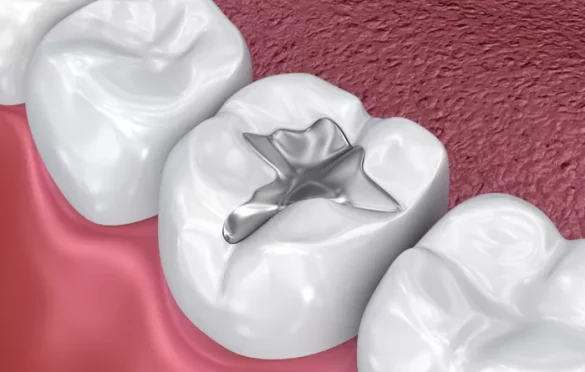
Teeth whitening has become one of the most popular cosmetic dental procedures. However, people with dental fillings often face challenges in choosing the right whitening method. Traditional whitening products are designed for natural enamel, and may not affect composite materials used in fillings. This creates a color mismatch. In 2025, innovative whitening products have emerged that are more compatible with dental restorations while also minimizing the risk of sensitive teeth and gum disease.
Why Conventional Whitening May Not Work with Fillings
Fillings, veneers, crowns, and other dental restorations are typically made from composite resins or ceramics that do not respond to peroxide-based whiteners. This means that after whitening, the natural teeth may become lighter, but the fillings remain the same color. That contrast can make your smile look uneven or stained. Therefore, choosing whitening products that can either blend well with the current shade of fillings or are recommended by dentists becomes essential.
Key Considerations Before Whitening Teeth with Fillings
- Consult a dentist to evaluate existing fillings and oral health.
- Ensure no signs of gum disease or tooth decay are present.
- Choose products suitable for sensitive teeth.
- Understand that only natural enamel whitens, not the filling itself.
Top 8 Teeth Whitening Options for Fillings in 2025
1. Opalescence PF 10% Whitening Gel
Opalescence is a trusted brand among dental professionals. Its 10% carbamide peroxide formula is gentle on sensitive teeth and works well for people with fillings. The potassium nitrate and fluoride components help reduce sensitivity and support enamel health.
2. Crest 3D Whitestrips Gentle Routine
This product is known for its mild formula. Designed specifically for users with sensitive gums and teeth, it won’t cause irritation even if you have multiple fillings. However, it primarily whitens natural teeth, so matching with fillings is key.
3. Colgate Optic White Professional Take-Home Kit
Available through dental clinics, this kit contains hydrogen peroxide gel formulated to be gentle on composite materials. It also includes a desensitizing serum, reducing the risk of tooth sensitivity.
4. Lumineux Teeth Whitening Strips
Made from natural ingredients and free from peroxide, Lumineux strips are safe for people with fillings, veneers, or even dental implants. The non-toxic formula ensures no damage to gum tissue.
5. Snow Whitening Kit for Sensitive Teeth
The Snow kit uses LED light activation and is safe for users with fillings. It includes a desensitizing serum and a formula that protects dental restorations. It’s a popular choice among people with gum inflammation.
6. GLO Brilliant Teeth Whitening Device
GLO combines heat and LED light for accelerated whitening. Its hydrogen peroxide-based gel is alcohol-free and suitable for those with sensitive teeth. It’s safe to use around fillings and crowns.
7. Auraglow Teeth Whitening Pen
The pen design allows targeted application, helping users avoid direct application on fillings. Its gentle formula is perfect for quick touch-ups and suitable for people with mild sensitivity and minor gum issues.
8. Philips Zoom NiteWhite
Philips Zoom is well known in dental clinics. NiteWhite is ideal for overnight use and has ACP (amorphous calcium phosphate), which helps reduce sensitivity and protect the enamel. While fillings won’t whiten, the formula blends well with existing dental work.
Professional In-Office Whitening vs. At-Home Kits
Professional whitening done in a dental office may be more expensive, but it’s safer for people with fillings. Dentists use products that minimize the risk of sensitive gums and enamel damage. They can also recommend whitening methods that complement the color of your fillings or even replace them after whitening.
How to Maintain White Teeth with Fillings
Brush with non-abrasive fluoride toothpaste for sensitive teeth.
Rinse after drinking coffee, wine, or tea to prevent staining.
Schedule professional cleanings to prevent gum disease.
Avoid tobacco and sugary snacks.
Use whitening toothpaste to maintain results safely.
Can Fillings Be Replaced to Match Whitened Teeth?
Yes. After whitening, many dentists recommend replacing old fillings if they no longer match your natural teeth. Composite resins can be shaded to blend in perfectly. This is common for front teeth or visible fillings. Always wait at least two weeks after whitening before replacing fillings to allow the final shade to settle.
Risks and Precautions
Using improper whitening products can lead to gum irritation, tooth sensitivity, or uneven results. Some users also develop inflammation around dental restorations. If you already suffer from gum disease or enamel erosion, whitening may worsen these conditions. Always consult a dental professional before starting any whitening treatment.
Conclusion
Whitening your teeth when you have fillings requires a careful and informed approach. The products listed above are among the best in 2025, designed to minimize damage while delivering excellent results. Always consider your oral health, including the presence of sensitive teeth, gum disease, and previous dental work before beginning any whitening treatment.