


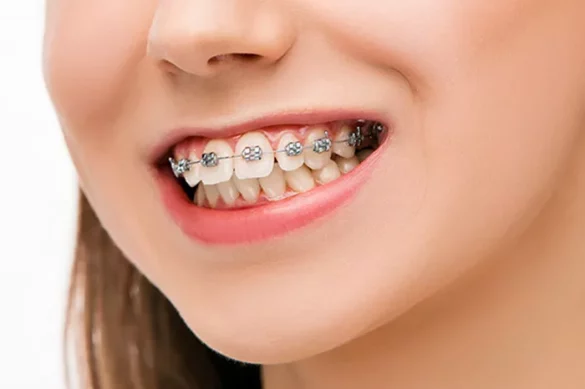
Braces are widely known as an effective orthodontic treatment to straighten teeth, correct misalignment, and improve your smile. But many wonder, do braces change your teeth shape? The simple answer is yes and no — braces primarily change the position and alignment of teeth, but can also influence the perceived shape of your teeth. This article explores how braces impact teeth shape, the biological processes involved, and important dental health factors such as gum disease and sensitive teeth.
What Are Braces And How Do They Work?
Braces are devices used by orthodontists to correct crooked or misaligned teeth and jaws. They consist of brackets, wires, and sometimes elastic bands that apply gentle pressure over time to move teeth into the desired position. This movement happens gradually and is carefully controlled to ensure proper alignment.
When braces apply pressure, they cause remodeling of the bone around the teeth. This allows teeth to shift in the jawbone. It is important to understand that braces mainly reposition teeth — they do not reshape the actual structure of the teeth, such as the enamel or dentin layers.
Teeth Movement vs. Teeth Shape
The shape of your teeth refers to their individual form — the contours, edges, and overall morphology. Braces do not change the fundamental shape or size of a tooth. Instead, they move the entire tooth within the bone to improve how the teeth fit together.
However, because teeth are repositioned, their appearance and alignment change, which may give an impression of a different shape. For example, crowded or overlapped teeth may look more irregular and sharp when misaligned, but once straightened, they appear more uniform and symmetrical.
Biological Processes Behind Teeth Movement with Braces
The process of teeth movement with braces involves several biological steps:
Pressure Application: Braces apply controlled force on teeth.
Bone Resorption: The pressure causes the bone on one side of the tooth to dissolve slowly.
Bone Deposition: On the opposite side, new bone forms to support the tooth’s new position.
Periodontal Ligament Adjustment: This ligament, which holds the tooth in place, stretches and adapts to the tooth’s movement.
These changes occur over weeks to months and result in the tooth moving through the bone without altering the enamel or shape of the tooth itself.
Can Braces Affect Teeth Shape Indirectly?
While braces don’t physically alter tooth shape, some indirect effects might occur:
Enamel Wear or Damage: Poor oral hygiene during orthodontic treatment can lead to enamel demineralization or white spots, which might change the surface texture of teeth.
Tooth Contouring: Sometimes orthodontists perform minor enamel reshaping (called odontoplasty) to improve appearance after braces, which does alter shape slightly.
Gum Recession or Swelling: Gum tissue changes during treatment can affect how teeth look, making them seem longer or differently shaped.
Gum Disease and Braces: What You Need to Know
Proper gum health is crucial when wearing braces. Gum disease, also known as periodontal disease, occurs when plaque and bacteria accumulate around teeth and gums, causing inflammation, bleeding, and recession.
Braces can make cleaning teeth more challenging, increasing the risk of gum disease. If gum disease develops, it can lead to bone loss around teeth, which might cause teeth to loosen or shift unpredictably. This can affect the final alignment and appearance of teeth after braces.
Maintaining excellent oral hygiene with braces is essential. This includes regular brushing with a soft-bristled toothbrush, flossing using specialized tools like floss threaders or water flossers, and routine dental check-ups to prevent gum disease complications.
Sensitive Teeth and Orthodontic Treatment
Many patients experience sensitive teeth during and after braces. This sensitivity happens because:
The pressure from braces can irritate the nerves inside teeth temporarily.
Exposed root surfaces due to gum recession can make teeth more sensitive to temperature and touch.
Enamel wear or decalcification from poor oral care can increase sensitivity.
If you have sensitive teeth during orthodontic treatment, talk to your dentist or orthodontist. They may recommend desensitizing toothpaste, fluoride treatments, or adjustments to your braces to reduce discomfort.
Common Concerns: Will Braces Make My Teeth Look Different?
Patients often ask whether braces will make their teeth look “different” beyond just being straighter. The key points are:
Alignment Improves Appearance: Straighter teeth usually look more attractive and symmetrical.
Shape Remains the Same: The natural shape of your teeth does not change unless additional cosmetic procedures are done.
Final Results Depend on Oral Care: Healthy gums and clean teeth after braces significantly improve the smile’s overall look.
Post-Braces: Maintaining Your New Smile
After braces are removed, retainers are often prescribed to keep teeth in their new positions. Retainers do not change teeth shape but prevent unwanted shifting. It is also vital to continue good dental care to avoid gum disease or sensitivity that can affect your smile’s health and aesthetics.
When Teeth Shape May Need Additional Treatment
In some cases, orthodontic treatment is combined with other dental procedures to improve the shape and appearance of teeth, such as:
Dental Bonding: Adds material to reshape teeth.
Veneers: Thin porcelain layers that cover teeth to alter shape and color.
Contouring: Minor enamel removal to smooth rough or uneven edges.
These treatments are separate from braces but can be part of a comprehensive smile makeover.
Summary: What You Should Know About Braces and Teeth Shape
Braces primarily move teeth to better positions; they do not change the natural shape of teeth.
Gum health is crucial during orthodontic treatment to avoid complications like gum disease that affect teeth stability.
Sensitive teeth can occur during treatment but usually improve with proper care.
Additional cosmetic dental treatments may be necessary if you want to alter tooth shape beyond alignment.
Good oral hygiene and regular dental visits ensure the best results with braces.
Conclusion
Braces are a powerful tool to transform your smile by repositioning teeth. While they do not change the actual shape of your teeth, they significantly improve the way your teeth look and function by aligning them correctly. Taking care of your gums, preventing gum disease, and managing sensitive teeth are essential steps during your orthodontic journey. With patience and proper dental care, braces can help you achieve a healthy, beautiful smile that lasts a lifetime.