


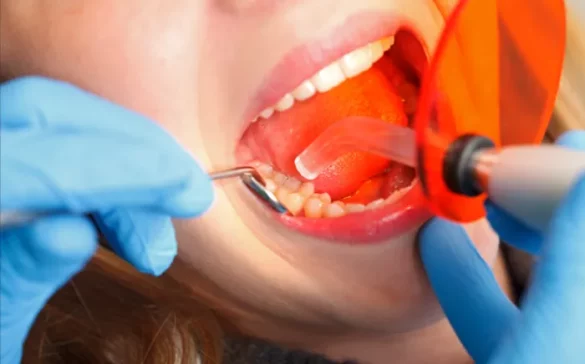
Old dental fillings sometimes need to be removed or replaced. This can happen for many reasons such as damage, wear, decay around the filling, or patient discomfort. Understanding how dentists remove old fillings helps patients feel more confident about their dental care. This article explains the step-by-step process dentists follow, discusses related dental issues like gum disease and sensitive teeth, and highlights what patients can expect.
The Purpose of Removing Old Fillings
Fillings protect teeth from cavities and further damage. However, fillings don’t last forever. Over time, fillings can crack, break down, or become loose. Decay can form beneath them, causing pain or infection. Removing old fillings is necessary to:
- Inspect the tooth for decay or damage
- Prevent further tooth decay and infection
- Restore tooth function and comfort
- Improve appearance if the filling is worn or discolored
- Address symptoms like sensitive teeth or gum irritation
Types of Dental Fillings
Different fillings require slightly different removal techniques. The common types include:
Amalgam fillings: Made of metal alloy; very durable but may contain mercury.
Composite resin fillings: Tooth-colored and bonded to the tooth structure.
Gold fillings: Rare but very durable.
Glass ionomer fillings: Used often for small cavities or near the gum line.
The removal process depends on the material and condition of the filling.
Step-by-Step Process: How Dentists Remove Old Fillings
1. Examination and Diagnosis
The dentist starts by examining your tooth visually and with dental X-rays. These help detect decay under or around the filling and check the tooth’s overall condition. If gum disease or inflammation is present nearby, the dentist will consider this in treatment planning.
2. Numbing the Area
Before removal, the dentist usually applies a local anesthetic to numb the tooth and surrounding gums. This helps avoid pain during the procedure. For patients with sensitive teeth, this step is crucial to ensure comfort.
3. Isolating the Tooth
The dentist may use a rubber dam or cotton rolls to keep the tooth dry and isolated from saliva. This improves visibility and prevents debris from falling into the throat.
4. Removing the Old Filling
The dentist uses a high-speed dental drill with a specialized bur to carefully remove the old filling material. The drill is guided precisely to remove only the filling, minimizing damage to the healthy tooth structure.
Amalgam removal: Because amalgam contains metal, it may create small particles or dust. Dentists take care to suction debris to protect patient health.
Composite removal: Composite fillings are drilled away carefully, layer by layer.
5. Cleaning and Decay Removal
Once the filling is removed, the dentist inspects the cavity. If decay or damaged tooth structure remains, it is carefully cleaned out with the drill or hand instruments. This step is critical to prevent further tooth damage and gum disease.
6. Preparing the Tooth for a New Filling
The dentist shapes the cavity to receive a new filling. This may include roughening the surface to help bonding or applying a base layer to protect sensitive teeth.
7. Placing the New Filling
After preparation, the dentist places the new filling material. For composite fillings, this is done in layers with curing light to harden each layer. Amalgam fillings are packed into the cavity and shaped.
8. Polishing and Checking the Bite
The dentist polishes the new filling to smooth rough edges and prevent plaque buildup. The patient bites down on special paper to check the bite alignment, ensuring the filling does not cause discomfort or uneven pressure.
Possible Complications and How Dentists Manage Them
Removing old fillings is usually safe but sometimes patients may experience issues such as:
Sensitivity: Teeth may feel sensitive to hot, cold, or pressure after filling removal and replacement. Dentists use desensitizing agents and careful technique to reduce this.
Gum irritation: If gums are affected by removal or underlying gum disease exists, the dentist may provide treatment or advice to manage inflammation.
Cracks or fractures: If the tooth is weakened, additional restorations like crowns may be necessary.
How Removing Fillings Relates to Gum Disease and Sensitive Teeth
Old fillings can sometimes contribute indirectly to gum disease. If a filling is leaking or rough, plaque can accumulate around the tooth and gums. This buildup can cause gum inflammation or worsen existing gum disease. Removing and replacing fillings helps restore a smooth surface that is easier to clean, supporting better gum health.
Similarly, sensitive teeth often relate to exposed dentin or small cracks near old fillings. Removing the old filling and placing a proper new one can seal these areas, reducing sensitivity.
Tips for Patients Before and After Filling Removal
To ensure a smooth procedure and recovery, dentists recommend:
- Inform your dentist if you have sensitive teeth or gum disease.
- Maintain good oral hygiene before the appointment.
- Avoid eating immediately before numbing to prevent accidental biting of lips or tongue.
- Follow dentist’s advice on managing sensitivity after the procedure.
- Use a soft toothbrush and gentle flossing around the treated tooth.
When to Consult Your Dentist About Old Fillings
You should visit your dentist if you notice any of the following:
- Discomfort or pain around a filling
- Visible cracks or chips in the filling
- Sensitivity to temperature or sweets
- Swelling or bleeding gums near the filled tooth
- Loose or missing filling pieces
Early intervention can prevent complications such as decay, infection, or worsening gum disease.
Conclusion
Removing old fillings is a precise process performed by dental professionals to maintain oral health and tooth function. The dentist carefully removes old materials, cleans the cavity, and places new fillings while considering patient comfort and dental health issues like sensitive teeth and gum disease. Proper removal and replacement of fillings can prevent decay progression, reduce sensitivity, and protect gums. Regular dental check-ups help identify when old fillings need attention.
If you suspect problems with your old fillings, don’t hesitate to consult your dentist. Understanding the removal process can ease concerns and help you make informed decisions about your dental care.