


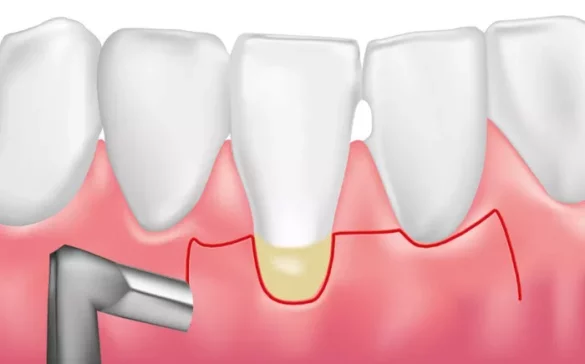
Periodontitis is a serious form of gum disease that damages the soft tissue and destroys the bone supporting your teeth. It often starts as gingivitis, a mild gum inflammation, which can progress if untreated. When bacteria build up around the gum line, they cause infection and inflammation. This can lead to sensitive teeth, gum recession, and even tooth loss. Knowing the causes and symptoms is the first step to fixing periodontitis gums.
Causes of Periodontitis and Risk Factors
The main cause of periodontitis is poor oral hygiene. When plaque, a sticky film of bacteria, accumulates on teeth, it hardens into tartar. This irritates gums and leads to infection. Other factors that increase the risk include smoking, diabetes, hormonal changes, genetic predisposition, stress, and certain medications. Gum disease and sensitive teeth often go hand in hand because inflamed gums expose tooth roots.
Recognizing the Signs and Symptoms of Periodontitis
Early symptoms of periodontitis include red, swollen, and bleeding gums during brushing or flossing. You may also notice persistent bad breath, gum recession, or sensitive teeth when eating hot or cold foods. As the disease progresses, pockets form between gums and teeth, making cleaning difficult and worsening the infection. Detecting periodontitis early helps in effective treatment and better gum recovery.
Professional Diagnosis and Importance of Early Treatment
Visit your dentist or periodontist for an accurate diagnosis. They will examine your gums, measure pocket depths, and may take X-rays to assess bone loss. Early treatment can prevent further damage and save your teeth. Ignoring gum disease can lead to tooth loss and affect your overall health. Sensitive teeth should also be evaluated as they might signal worsening gum problems.
How to Fix Periodontitis Gums: Step-by-Step Treatment Options
1. Improved Oral Hygiene Practices
Fixing periodontitis begins at home with good oral care. Brush your teeth at least twice a day with a soft-bristled toothbrush and fluoride toothpaste. Use gentle, circular motions to avoid irritating sensitive gums. Floss daily to remove plaque between teeth and under the gum line. Consider using an antibacterial mouthwash to reduce bacteria that cause gum disease.
2. Professional Dental Cleaning
Your dentist will perform scaling and root planing to remove tartar and bacteria from tooth surfaces and below the gum line. This deep cleaning smooths root surfaces to help gums reattach to teeth. Multiple visits may be needed depending on the severity. Regular dental cleanings every 3-6 months help prevent gum disease from returning.
3. Medications to Support Healing
In some cases, your dentist may prescribe antibiotics or antimicrobial mouth rinses to control bacterial infection. These medicines reduce inflammation and help the gums heal. Sensitive teeth may improve as infection subsides. Always follow the dosage and course length recommended by your dental professional.
4. Advanced Treatments for Severe Periodontitis
If periodontitis has caused deep pockets or bone loss, surgical treatments may be necessary. Procedures include flap surgery to clean infected areas or bone and tissue grafts to regenerate lost structures. Laser therapy is another option to remove diseased tissue and promote healing. Your periodontist will recommend the best treatment based on your condition.
Maintaining Gum Health After Treatment
After fixing periodontitis, maintenance is key. Follow your dentist’s advice on oral hygiene, attend regular check-ups, and avoid habits like smoking that harm gum health. Use a toothpaste designed for sensitive teeth if needed. Healthy gums protect your teeth and reduce discomfort caused by sensitivity. Proper care helps prevent recurrence of gum disease.
Diet and Lifestyle Changes to Support Gum Healing
A balanced diet rich in vitamins C and D, calcium, and antioxidants supports gum repair and reduces inflammation. Avoid sugary and acidic foods that encourage bacteria growth. Drinking plenty of water helps keep your mouth clean. Managing stress and controlling medical conditions like diabetes improve your body’s ability to fight gum infection.
Common Myths About Periodontitis and Gum Disease
Many people think gum disease is only caused by poor brushing, but factors like genetics and health conditions also play a role. Some believe sensitive teeth mean you have cavities only, but gum recession from periodontitis can cause sensitivity too. Understanding the facts helps you take better care of your gums and teeth.
When to See a Dentist Immediately
If you experience severe gum pain, pus between your teeth and gums, loose teeth, or prolonged bleeding, seek dental care promptly. These signs indicate advanced infection that may require urgent treatment. Early intervention reduces complications and improves outcomes.
Conclusion
Fixing periodontitis gums requires a combination of professional care and good oral habits. Start with thorough cleaning, improve your daily oral hygiene, and follow through with any treatments your dentist recommends. Pay attention to symptoms like gum bleeding and sensitive teeth, and act early to protect your smile. With commitment, you can restore gum health and prevent tooth loss.