


Gum recession is a common dental problem where the gum tissue surrounding the teeth wears away or pulls back, exposing more of the tooth or its root. This condition can lead to several complications, including sensitive teeth, increased risk of gum disease, and even tooth loss if left untreated.
Many people with gum recession feel unsure about how to brush their teeth without causing more damage. Brushing too hard or using improper techniques can worsen the recession or irritate sensitive areas. This article will provide a detailed, step-by-step guide on how to brush your teeth safely and effectively when you have gum recession.
What Causes Gum Recession?
Periodontal (Gum) Disease
The most common cause of gum recession is periodontal disease, a bacterial infection that destroys gum tissue and the bone that supports teeth. If plaque and tartar build up, they can lead to gum inflammation and recession.
Improper Brushing Techniques
Using a hard-bristled toothbrush or brushing with excessive force can wear away gum tissue over time. This is sometimes called “toothbrush abrasion.”
Other Causes
Genetics: Some people are more prone to gum recession due to their genetic makeup.
Hormonal Changes: Especially in women, hormonal fluctuations can make gums more sensitive and vulnerable.
Grinding or Clenching Teeth: This can put excess pressure on gums and teeth.
Poor Dental Care: Irregular flossing and brushing can allow plaque buildup that leads to gum problems.
The Importance of Proper Brushing with Gum Recession
When gums recede, the roots of the teeth become exposed. These roots do not have the protective enamel layer that crowns do, so they are more vulnerable to decay, wear, and sensitivity. Brushing gently and correctly helps remove plaque while protecting these delicate areas.
Proper brushing also reduces the risk of worsening gum disease, preventing further recession and protecting overall oral health.
Choosing the Right Toothbrush
Soft-Bristled Toothbrush
Use a toothbrush with soft bristles. Hard or medium bristles can damage already vulnerable gum tissue and increase recession.
Size and Shape
Choose a toothbrush head size that fits comfortably inside your mouth and allows you to reach all areas easily. A small, compact head is ideal for precise cleaning near the gum line.
Manual vs. Electric Toothbrush
Both can be effective if used correctly. Some people find electric toothbrushes with pressure sensors helpful because they alert you if brushing is too hard.
Selecting the Best Toothpaste for Sensitive Teeth
People with gum recession often experience tooth sensitivity. Using a toothpaste designed for sensitive teeth can help reduce discomfort by blocking transmission of sensations from exposed roots to nerves.
Look for toothpaste that contains ingredients like potassium nitrate or stannous fluoride. Avoid abrasive whitening toothpastes which may irritate sensitive areas.
Step-by-Step Guide to Brushing Teeth with Gum Recession
1. Prepare Your Toothbrush
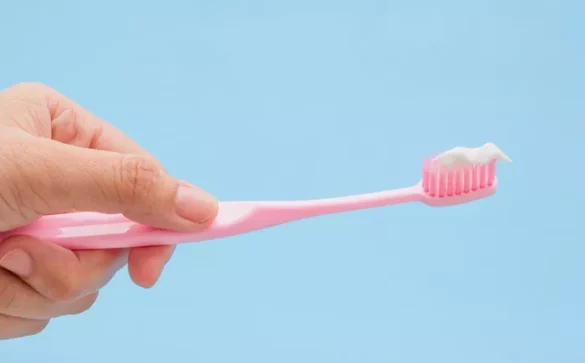
Wet the bristles with water and apply a pea-sized amount of toothpaste designed for sensitive teeth.
2. Hold the Toothbrush Correctly
Hold your toothbrush at a 45-degree angle to your gum line. This angle helps clean plaque that accumulates just beneath the gum edge without applying direct pressure on the gums.
3. Use Gentle, Circular Motions
Brush with gentle circular or elliptical strokes. Avoid vigorous back-and-forth scrubbing, which can irritate gums and worsen recession.
4. Clean Each Tooth Surface Thoroughly
- Outer Surfaces: Brush the front and back of each tooth.
- Inner Surfaces: Angle the brush to reach the inner tooth surfaces gently.
- Chewing Surfaces: Brush flat with light pressure.
5. Focus on the Gum Line
Because plaque tends to accumulate at the gum line, spend extra time here but keep pressure light to avoid further gum damage.
6. Brush Your Tongue and Roof of Mouth
This helps remove bacteria and freshens breath.
7. Rinse and Inspect
Rinse your mouth and toothbrush with water. Check for any bleeding or discomfort, which can indicate irritation or inflammation requiring dental advice.
Additional Tips for Protecting Your Gums While Brushing
Use a Desensitizing Mouthwash
A mouthwash designed for sensitive teeth can help soothe exposed roots and reduce discomfort after brushing.
Avoid Abrasive Toothpastes
Toothpastes with high abrasiveness can wear down tooth roots further and irritate gums. Choose gentle formulas approved by dental associations.
Do Not Brush Immediately After Eating Acidic Foods
Acidic foods and drinks soften tooth enamel and root surfaces. Wait at least 30 minutes before brushing to prevent additional wear.
Use Floss or Interdental Cleaners Carefully
Gum recession often leaves gaps between teeth where plaque hides. Use floss gently to avoid damaging the gums further.
Regular Dental Visits
Visit your dentist regularly for professional cleaning and to monitor gum health. Early treatment of gum disease can stop recession progression.
Common Mistakes to Avoid When Brushing with Gum Recession
Brushing Too Hard
Applying too much force can strip away delicate gum tissue. Always brush lightly and with care.
Using Hard-Bristled Toothbrushes
These brushes cause more harm than good for receded gums.
Neglecting the Gum Line
Failing to clean along the gum line allows plaque buildup, worsening gum disease and recession.
Brushing Too Soon After Acid Exposure
Immediately brushing after consuming citrus fruits, soda, or wine can damage softened enamel and root surfaces.
How to Manage Sensitive Teeth from Gum Recession
Exposed tooth roots can cause sharp sensitivity to hot, cold, sweet, or acidic foods. Here are ways to reduce sensitivity:
- Use toothpaste formulated for sensitive teeth.
- Avoid extremely hot or cold foods and drinks.
- Rinse with fluoride mouthwash to strengthen teeth.
- Consult your dentist about treatments like fluoride varnishes or bonding agents to protect roots.
The Role of Professional Care in Gum Recession
While proper home care is essential, professional dental care is crucial for managing gum recession. Treatments include:
Scaling and Root Planing: Deep cleaning below the gum line to remove plaque and tartar.
Gum Grafting: Surgical procedure to restore lost gum tissue.
Medications: To control bacterial infections.
Laser Therapy: To remove diseased tissue and promote healing.
Your dentist will advise the best treatment based on the severity of your condition.
Conclusion
Brushing your teeth correctly when you have gum recession is vital to protect sensitive roots and prevent further gum damage. Use a soft-bristled toothbrush and gentle motions angled at 45 degrees to the gum line. Select a toothpaste for sensitive teeth and avoid abrasive products. Never brush immediately after acidic food or drink. Regular dental visits help monitor and treat gum disease that causes recession.
By following these guidelines, you can maintain good oral hygiene, reduce discomfort, and support the health of your gums and teeth.