


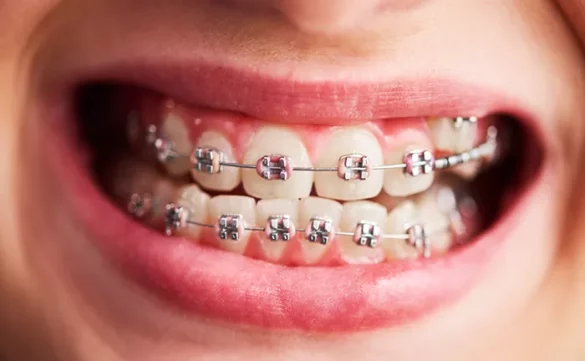
Spaces between teeth, also known as diastemas, are common dental concerns. Some people have small gaps that affect their smile aesthetics. Others have larger spaces that may cause issues with chewing or speech. Many choose braces to close these spaces effectively. But how long does it take? This article explores the timeline for closing gaps with braces, explains factors affecting treatment duration, and highlights important dental health considerations such as gum disease and sensitive teeth.
What Causes Spaces Between Teeth?
Spaces can form for several reasons. Natural growth patterns sometimes create gaps, especially between the two upper front teeth. Gum disease can cause bone loss around teeth, making them shift and create spaces. Tooth loss or undersized teeth relative to jaw size can also lead to gaps. Tongue thrusting, lip habits, or improper swallowing may push teeth apart. Understanding the cause is essential before starting braces treatment because it influences the approach and timing.
How Braces Work to Close Spaces
Braces apply gentle, continuous pressure on teeth. This pressure stimulates bone remodeling around teeth, allowing teeth to move gradually. When gaps exist, braces pull teeth closer together over time. The process requires regular adjustments by an orthodontist to ensure teeth move correctly and safely. The braces consist of brackets bonded to teeth and archwires that guide the movement. Elastic bands or other appliances might be used to close spaces faster or correct bite issues.
Typical Timeframe to Close Spaces with Braces
The time it takes to close spaces depends on several factors. On average, small to moderate spaces may close within 6 to 12 months. Larger gaps or complicated cases could take 12 to 24 months or longer. Some patients notice visible improvements within weeks, but complete closure and proper alignment take time. Retention after braces removal is important to prevent spaces from reopening.
Factors Affecting Treatment Duration
Size of the Gap: Larger spaces need more movement and time.
Age: Younger patients typically experience faster tooth movement due to higher bone remodeling capacity.
Bone Density: Denser bone can slow tooth movement.
Type of Braces: Traditional metal braces may close spaces faster than some clear aligners, but results vary.
Oral Health: Conditions like gum disease must be treated before or during orthodontics. Healthy gums support efficient movement.
Compliance: Following orthodontist instructions on adjustments, elastics, and oral care influences success and speed.
Gum Disease and Its Impact on Orthodontic Treatment
Gum disease, or periodontal disease, is an infection of the gums that can cause inflammation and bone loss. It is essential to manage gum disease before braces treatment because inflamed gums reduce tooth stability. Moving teeth with untreated gum disease may worsen bone loss and cause tooth mobility or loss. Patients with sensitive teeth often experience discomfort during braces treatment if gum health is poor. Proper dental hygiene, professional cleanings, and sometimes antibiotics are necessary before and during orthodontics to maintain healthy gums.
Sensitive Teeth During Space Closure
Tooth sensitivity is common during braces treatment. As teeth move, pressure on nerves inside the tooth can cause temporary sensitivity. If a patient already has sensitive teeth, they may experience more discomfort. Using toothpaste for sensitive teeth, avoiding very hot or cold foods, and communicating pain to the orthodontist help manage sensitivity. Persistent or severe sensitivity should be evaluated, as it may signal underlying dental problems.
Maintaining Oral Hygiene While Closing Spaces
Braces create additional surfaces for plaque to accumulate. Poor hygiene can lead to gum disease, white spot lesions, and cavities. These issues can prolong treatment and impact results. Brushing after every meal with a soft-bristled toothbrush, flossing carefully, and using interdental brushes or water flossers improve cleaning around braces. Regular dental checkups and professional cleanings are critical. Keeping gums healthy reduces the risk of inflammation and allows smooth tooth movement.
Stages of Closing Spaces with Braces
Space closure often follows several stages:
Initial Alignment: Teeth begin moving into better positions, and minor gaps may start to close.
Active Space Closure: Elastics, power chains, or springs apply force specifically to close gaps.
Detailing and Finishing: Fine adjustments ensure teeth fit together perfectly with good bite function.
Retention: After braces removal, retainers hold teeth in place to prevent gaps from reopening.
Alternative Options to Braces for Closing Spaces
Some patients may consider alternatives such as clear aligners, veneers, or bonding. Clear aligners like Invisalign can close mild to moderate spaces, often in similar timeframes but require strict compliance. Veneers and bonding are cosmetic and do not move teeth but can mask gaps quickly. However, only braces and aligners provide real tooth movement to improve function and long-term stability.
What to Expect During Your Braces Treatment Journey
Patients should expect regular visits every 4 to 6 weeks for adjustments. Initially, there might be soreness or discomfort as teeth start to move. Spaces will gradually reduce, and new alignment will form. Some spaces may close faster than others depending on their location. It’s normal for teeth to feel sensitive or slightly loose during movement. Maintaining good oral hygiene and following orthodontist instructions ensures the best outcome.
Risks of Delaying Space Closure
Leaving spaces untreated can lead to food trapping and plaque buildup, increasing the risk of gum disease and tooth decay. Gaps can also affect speech and chewing efficiency. Teeth adjacent to spaces may drift or tip, causing bite problems. Early treatment with braces not only improves appearance but protects long-term oral health.
How to Support Faster and Safer Space Closure
Maintain excellent oral hygiene to prevent gum disease and inflammation.
Attend all scheduled orthodontic appointments for timely adjustments.
Use orthodontic elastics or appliances as prescribed without skipping days.
Avoid foods that can damage braces and prolong treatment, such as sticky or hard foods.
Manage sensitive teeth with desensitizing products recommended by your dentist.
Conclusion
Closing spaces with braces is a gradual process influenced by many factors including gap size, oral health, and patient cooperation. While some gaps close within months, others require over a year. Healthy gums and managing sensitive teeth enhance treatment success. Following orthodontist guidance and maintaining good dental care lead to a beautiful, functional smile and lasting results.