


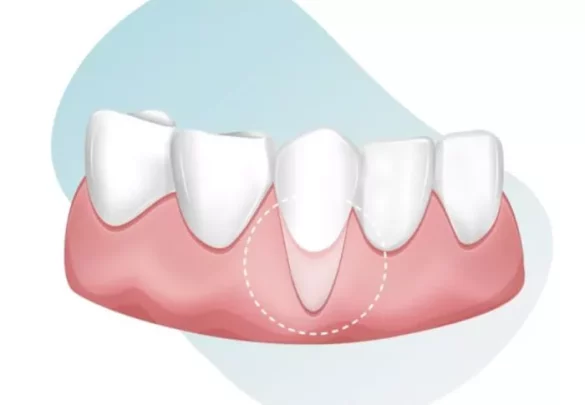
Gum recession is a condition in which the gum tissue surrounding the teeth pulls back or wears away, exposing more of the tooth or the tooth’s root. It is a common dental problem that can occur gradually, often going unnoticed until it becomes more advanced. Receding gums are a serious concern as they can lead to tooth sensitivity, increased risk of tooth decay, and even tooth loss.
This article explores whether a receding gum line can grow back, what causes it, and how you can prevent further damage through proper dental care and treatment options.
Can Gums Actually Grow Back?
Once gum tissue is lost due to recession, it does not regenerate naturally like some other tissues in the body. Unlike skin or liver cells, gum tissue lacks the regenerative capability to regrow on its own. However, certain treatments and interventions can help restore the appearance and function of the gums.
While you cannot reverse gum loss without professional dental treatment, you can halt the progression and improve gum health. With good oral hygiene and the right therapies, it is possible to achieve a healthier gum line and reduce the impact of gum recession.
Causes of Receding Gums
There are several factors that contribute to gum recession. Understanding these causes is crucial for prevention and treatment:
Gum Disease: Periodontal disease is the most common cause of gum recession. Bacterial infections damage gum tissue and bone that support the teeth.
Aggressive Brushing: Brushing your teeth too hard or with a hard-bristled toothbrush can wear down gum tissue.
Poor Oral Hygiene: Inadequate brushing and flossing allow plaque buildup, which can lead to gum inflammation and recession.
Hormonal Changes: Hormonal fluctuations, especially in women, can increase gum sensitivity and recession.
Tobacco Use: Smoking or chewing tobacco can damage gum tissue and increase the risk of gum disease.
Grinding Teeth: Clenching or grinding your teeth puts excess pressure on the gums, leading to recession.
Genetics: Some people are more prone to gum disease and recession due to their genetic makeup.
Symptoms of Receding Gums
It is important to recognize the early signs of receding gums. Symptoms include:
- Teeth appearing longer than usual
- Exposed tooth roots
- Sensitive teeth
- Gum inflammation or bleeding
- Bad breath
- Loose teeth in advanced cases
How to Prevent Gum Recession
Preventing gum recession involves daily oral care and lifestyle changes. Here are essential steps:
Brush Gently: Use a soft-bristled toothbrush and avoid excessive pressure. Brush in gentle circular motions.
Floss Daily: Clean between teeth to remove plaque and prevent gum inflammation.
Use Fluoride Toothpaste: Fluoride strengthens enamel and reduces sensitivity.
Quit Tobacco: Avoid all forms of tobacco to improve gum and oral health.
Regular Dental Visits: See your dentist twice a year for cleanings and checkups.
Wear a Mouthguard: If you grind your teeth, a custom mouthguard can protect your gums.
Non-Surgical Treatments for Receding Gums
Non-surgical options can help manage gum recession and improve gum health:
Scaling and Root Planing
This deep-cleaning procedure removes plaque and tartar from below the gum line and smooths the root surfaces to allow gums to reattach to the teeth.
Antibacterial Mouthwash
Using a dentist-recommended antibacterial mouthwash can reduce bacteria and inflammation in the gums.
Desensitizing Agents
For sensitive teeth, special toothpaste and gels can help manage pain and discomfort caused by exposed tooth roots.
Surgical Treatments for Receding Gums
When gum recession is advanced, surgical treatments may be necessary to restore the gum line.
Gum Grafting
This is the most common surgical solution. Gum grafting involves taking tissue from the roof of the mouth or another source and attaching it to the receded area to cover the exposed root.
Pinhole Surgical Technique (PST)
This minimally invasive procedure uses a small hole to loosen gum tissue and slide it over the exposed roots. Recovery is faster, and results are often immediate.
Regeneration
In some cases, dentists can apply regenerative materials (such as membranes or tissue-stimulating proteins) to the affected area to encourage the body to regenerate lost tissue and bone.
How to Care for Receding Gums at Home
Consistent oral care is essential in managing and preventing further gum recession:
- Use a soft toothbrush and gentle techniques
- Rinse with warm salt water to reduce inflammation
- Eat a balanced diet rich in vitamins C and D
- Avoid sugary and acidic foods
- Drink plenty of water to maintain oral hydration
Natural Remedies: Do They Work?
Some natural remedies may support gum health, but they should never replace professional treatment:
Aloe Vera: Anti-inflammatory properties can soothe gums.
Green Tea: Contains antioxidants that reduce inflammation and bacterial growth.
Oil Pulling: Swishing oil in the mouth may reduce bacteria and promote oral hygiene, though scientific evidence is limited.
Always consult with a dentist before relying on natural remedies.
When to See a Dentist
If you notice any signs of receding gums, such as tooth sensitivity or longer-looking teeth, schedule an appointment with your dentist. Early intervention can stop the progression and may even allow for partial restoration through modern dental techniques.
Conclusion
While receding gums do not grow back naturally, they can be effectively managed and treated with professional dental care and healthy habits. Prevention is key—by brushing properly, avoiding tobacco, treating gum disease early, and visiting your dentist regularly, you can protect your smile and maintain your gum health for life.
If you’re experiencing gum recession, don’t wait. The sooner you act, the better your chances of preserving your teeth and avoiding further complications.