


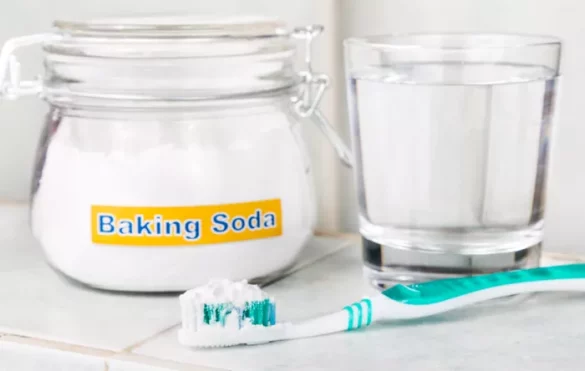
Baking soda, also known as sodium bicarbonate, is a common household product. It has been used for many years as a natural remedy for cleaning teeth. Many people wonder if brushing teeth with baking soda really helps remove plaque. This article explores how baking soda can assist in plaque removal and dental care.
What Is Dental Plaque and Why Should You Remove It?
Dental plaque is a sticky, colorless film of bacteria that forms on your teeth. It develops when food particles mix with saliva and bacteria in the mouth. If plaque is not removed regularly, it can harden into tartar, which leads to gum disease, bad breath, and tooth decay. Removing plaque daily is essential for maintaining healthy gums and preventing sensitive teeth.
The Risks of Plaque Buildup
When plaque accumulates, it causes inflammation of the gums, known as gingivitis. If untreated, gingivitis can develop into periodontitis, a serious gum disease that damages the tissues and bone supporting the teeth. Plaque also contributes to tooth enamel erosion and cavities, which can increase tooth sensitivity.
Why Consider Baking Soda for Brushing Teeth?
Baking soda is mildly abrasive and has natural whitening properties. It can help remove surface stains and plaque from teeth. Unlike some commercial whitening products, baking soda is inexpensive and easily accessible. It also neutralizes acids in the mouth, which may help prevent enamel erosion and gum irritation.
Benefits of Baking Soda in Oral Care
- Effective plaque removal due to its abrasive texture
- Neutralizes harmful acids in the mouth
- Helps freshen breath by reducing odor-causing bacteria
- May reduce gum inflammation and bleeding
- Safe for sensitive teeth when used correctly
Potential Risks and Precautions
Although baking soda is generally safe, excessive or improper use can damage tooth enamel. Its abrasive nature can wear down enamel over time, increasing tooth sensitivity. It is important not to use baking soda every day or to scrub too hard. People with gum disease or sensitive teeth should consult a dentist before use.
How to Properly Brush Teeth with Baking Soda
Step 1: Prepare Baking Soda Paste
To brush your teeth with baking soda, start by making a paste. Mix about one teaspoon of baking soda with two teaspoons of water. Stir until it forms a smooth, spreadable paste. Avoid using dry baking soda directly on your teeth, as it can be too abrasive.
Step 2: Wet Your Toothbrush
Use a soft-bristled toothbrush and wet it slightly with water. Soft bristles help protect your enamel and gums from damage.
Step 3: Apply the Baking Soda Paste
Dip the wet toothbrush into the baking soda paste, or use a clean spoon to apply the paste onto the brush. Avoid using too much paste to prevent excessive abrasiveness.
Step 4: Brush Gently and Thoroughly
Brush your teeth gently in small circular motions. Focus on areas where plaque tends to build up, such as the gum line, back teeth, and between teeth. Brush for about two minutes, but avoid vigorous scrubbing that can harm sensitive teeth and gums.
Step 5: Rinse Your Mouth Well
After brushing, rinse your mouth thoroughly with water to remove any baking soda residue. Residual baking soda can leave a salty taste and may irritate the gums if left for too long.
Step 6: Follow With Regular Toothpaste (Optional)
Some people prefer to brush with baking soda only once or twice a week. On other days, use a fluoride toothpaste to protect your teeth from cavities and strengthen enamel. Baking soda does not contain fluoride, so it should not fully replace your daily toothpaste.
How Often Should You Brush with Baking Soda?
Brushing with baking soda two or three times per week is generally safe for most people. Daily use can increase the risk of enamel wear and tooth sensitivity. If you have sensitive teeth or gum disease, it is best to consult your dentist before starting a baking soda routine.
Signs You Should Stop Using Baking Soda
- Increased tooth sensitivity
- Gum irritation or bleeding
- Tooth enamel feels rough or worn
- Any discomfort during or after brushing
Is Baking Soda Effective in Removing Plaque Compared to Toothpaste?
Research shows that baking soda has good plaque removal properties due to its mild abrasiveness and ability to neutralize acids. However, commercial toothpastes often contain fluoride and other agents designed specifically to strengthen teeth and fight bacteria. Baking soda can be a useful adjunct but should not fully replace traditional toothpaste.
Studies Supporting Baking Soda Use
Several studies have found that toothpastes containing baking soda reduce plaque and gingivitis more effectively than non-baking soda toothpastes. The abrasive action combined with pH neutralization helps disrupt plaque formation and bacterial growth.
Limitations of Baking Soda
Baking soda alone does not provide fluoride, which is critical for remineralizing tooth enamel and preventing cavities. It also does not contain antibacterial agents found in some toothpastes that target specific oral pathogens. For these reasons, baking soda is best used occasionally as a supplementary treatment.
Additional Tips for Maintaining Healthy Teeth and Gums
Regular Brushing and Flossing
Brushing twice a day with fluoride toothpaste and flossing daily are key to removing plaque and preventing gum disease. Baking soda can be added occasionally to boost cleaning power.
Healthy Diet and Hydration
A diet low in sugary and acidic foods helps reduce plaque buildup. Drinking plenty of water encourages saliva production, which naturally cleanses teeth and gums.
Regular Dental Checkups
Visit your dentist every six months for professional cleanings and exams. This is important to remove hardened tartar and monitor gum health.
Managing Sensitive Teeth
If you experience sensitivity, avoid aggressive brushing with baking soda or any abrasive agent. Use toothpaste designed for sensitive teeth and consult your dentist for personalized care.
Conclusion
Brushing teeth with baking soda can effectively remove plaque and help maintain oral health when used correctly and in moderation. Its mild abrasive and pH neutralizing properties make it a useful supplement to regular brushing. However, it is important to avoid overuse to protect enamel and prevent sensitivity. Combining baking soda use with regular fluoride toothpaste, flossing, and professional dental care offers the best defense against plaque, gum disease, and sensitive teeth.