


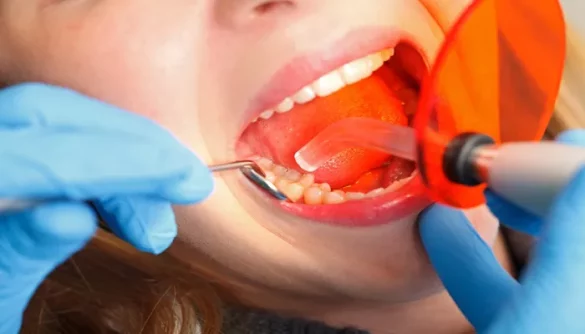
Many people seek solutions to close gaps between their teeth. These gaps, also called diastemas, can affect appearance, speech, and oral health. Permanent teeth gap filling aims to provide a lasting and natural-looking solution. This article explores various gap filling methods, their permanency, benefits, and dental care considerations such as gum disease and sensitive teeth.
Understanding Teeth Gaps and Their Causes
What is a Teeth Gap (Diastema)?
A teeth gap, or diastema, refers to a visible space between two teeth, commonly the front upper teeth. While some gaps are harmless, others may cause discomfort or affect dental function.
Common Causes of Teeth Gaps
- Genetics and natural tooth size or jaw shape differences
- Thumb sucking or tongue thrusting habits
- Periodontal disease causing gum recession and tooth movement
- Missing teeth or undersized teeth
- Frenulum attachment – the tissue connecting the lip to gums
Is Teeth Gap Filling Permanent
Teeth gap filling can be either permanent or semi-permanent depending on the method used:
Dental bonding uses a tooth-colored resin applied to fill gaps. It is a quick, affordable, and minimally invasive option but is considered semi-permanent because it lasts typically 3 to 10 years and may require touch-ups or replacement over time due to wear, staining, or chipping.
Veneers are thin porcelain or composite shells custom-made to cover the front surface of teeth. Veneers offer a more permanent cosmetic solution lasting 10 to 20 years or longer with good care. However, the process is irreversible because some enamel is removed, and veneers may eventually need replacement.
Orthodontic treatments such as braces or Invisalign physically move teeth to close gaps, providing a permanent realignment of teeth. Results are considered more long-lasting, but maintenance such as wearing retainers is crucial to prevent the gaps from reappearing.
Dental implants or bridges are permanent solutions for gaps caused by missing teeth, replacing the missing tooth with a reliable and natural-feeling prosthetic that can last a lifetime with proper care.
In summary, while cosmetic gap fillings like bonding and veneers can last many years, they are not truly permanent and may require future maintenance or replacement. Orthodontic treatments and implants offer more permanent, functional closure of teeth gaps. Proper oral hygiene and regular dental visits help prolong the longevity of any teeth gap filling treatment.
Why Fill Teeth Gaps Permanently?
Filling teeth gaps can improve smile aesthetics, boost confidence, and enhance oral function. Permanent solutions reduce the risk of food trapping, which can lead to gum disease and tooth decay. Closing gaps may also correct bite issues and reduce speech difficulties caused by large gaps.
Permanent Teeth Gap Filling Options
1. Dental Bonding
Dental bonding uses a tooth-colored resin applied and shaped to close gaps. The resin is hardened with light, creating a durable and natural finish. Bonding is less invasive and usually completed in one visit.
Is it permanent? Bonding can last several years but may require touch-ups or replacement due to wear or staining.
2. Porcelain Veneers
Veneers are thin, custom-made shells placed on the front surface of teeth. They offer a strong and natural appearance to close gaps and improve tooth shape.
Is it permanent? Veneers are considered a long-term solution and can last 10-15 years with proper care.
3. Dental Crowns
Crowns fully cover teeth and can close gaps if teeth are damaged or misshapen. Crowns provide strength and aesthetics.
Is it permanent? Crowns are long-lasting, often 10-15 years or more, but may need replacement eventually.
4. Orthodontic Treatment (Braces and Clear Aligners)
Orthodontic devices physically move teeth to close gaps. Treatment time varies from months to years depending on the case.
Is it permanent? Results are permanent if retainers are worn as prescribed to prevent teeth from shifting back.
5. Dental Implants
If gaps are due to missing teeth, dental implants can replace missing teeth permanently. Implants are titanium posts inserted into the jawbone, supporting crowns.
Is it permanent? Implants are considered permanent with proper oral hygiene and regular dental checkups.
Factors Affecting the Permanency of Teeth Gap Filling
Oral Hygiene
Good oral hygiene reduces risks of gum disease and decay, which can affect gap filling results. Brushing, flossing, and regular dental visits are essential.
Gum Disease and Its Impact
Gum disease causes gum recession and bone loss. This can loosen teeth and create or worsen gaps. Managing gum disease is vital for maintaining permanent gap fillings.
Sensitivity and Care After Gap Filling
Some procedures can cause sensitive teeth temporarily. Using toothpaste for sensitive teeth and avoiding extreme temperatures helps reduce discomfort.
Habits and Lifestyle
Habits like nail biting, teeth grinding, or smoking can damage fillings or orthodontic appliances. Protecting teeth with night guards or quitting smoking improves longevity.
Pros and Cons of Permanent Teeth Gap Filling Methods
| Method | Pros | Cons |
|---|---|---|
| Dental Bonding | Quick, affordable, minimally invasive | Less durable, may stain |
| Porcelain Veneers | Natural look, durable, stain-resistant | More costly, irreversible enamel removal |
| Dental Crowns | Strong, protective, aesthetic | Requires tooth preparation, costly |
| Orthodontics | Permanent natural tooth movement | Longer treatment time, compliance needed |
| Dental Implants | Permanent tooth replacement, preserves bone | Requires surgery, higher cost |
Maintaining Permanent Teeth Gap Fillings
Regular Dental Checkups
Routine visits allow dentists to monitor restorations and gum health. Early detection of problems prevents failure of gap fillings.
Proper Brushing and Flossing
Cleaning around fillings and restorations prevents plaque buildup that can cause gum disease or decay.
Avoiding Harmful Habits
Avoid biting hard objects or using teeth as tools. Wear mouthguards during sports or at night if grinding is an issue.
Managing Sensitive Teeth
Use toothpaste for sensitive teeth and avoid acidic or very hot/cold foods if sensitivity occurs after treatment.
When to Consult a Dentist About Teeth Gap Filling
Consult a dental professional if you notice:
- New or worsening gaps between teeth
- Gum inflammation or bleeding
- Persistent tooth sensitivity or pain
- Damage or discoloration of existing fillings or restorations
A dentist can recommend the best permanent solution tailored to your dental condition.
Conclusion
Permanent teeth gap filling is achievable through several effective dental treatments, including bonding, veneers, crowns, orthodontics, and implants. The longevity of these treatments depends on good oral hygiene, gum health, and avoiding harmful habits. Managing gum disease and tooth sensitivity is crucial for maintaining results. Consulting a dental expert will ensure the most suitable, lasting solution for your teeth gaps, leading to a healthier smile and improved oral function.