


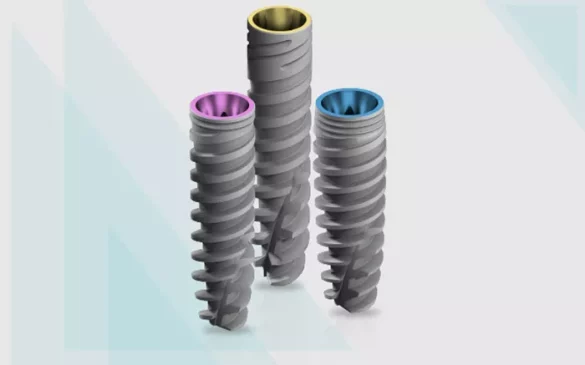
Medigma is a German dental implant brand established in 1992, known for producing high-quality, precision-engineered dental implants and associated components. Medigma implants are designed for surgical placement in both the upper (maxillary) and lower (mandibular) jaws to support crowns, bridges, or overdentures in patients with missing teeth. The brand combines German engineering excellence with advanced dental technology inspired partly by Israeli innovations, offering implants that are durable, biocompatible, and aesthetically pleasing. Medigma implants are widely used globally, especially in South America, the Middle East, and increasingly worldwide due to their reliability and cost-effectiveness.
Why Choose Medigma?
Medigma implants offer several advantages that make them a preferred choice for both dentists and patients:
Durability and Reliability: Medigma implants are engineered for long-lasting performance, supporting dental restorations with excellent stability.
High-Quality Materials: Made from biocompatible titanium, these implants integrate well with the jawbone (osseointegration), promoting healthy bone maintenance and gum tissue compatibility.
Aesthetic Excellence: The design of Medigma implants allows natural-looking restorations that blend seamlessly with existing teeth, benefiting patients concerned with appearance.
Versatility: Medigma offers various implant lines suitable for simple to complex dental cases, including single-tooth replacements, multiple teeth, or full-arch restorations.
Affordability: Despite premium quality, Medigma implants are competitively priced, making high-quality dental implants accessible to more patients without compromising on standards.
Advanced Surface Treatment: Their implants feature AB/AE surface treatment (Alumina Oxide Blast and Acid Etching), which enhances bone-implant integration and reduces bacterial infections, supporting gum health and lowering risks of peri-implantitis—a form of gum disease around implants.
Support and User-Friendly Design: The system supports clinicians with precise tools and implant designs that accommodate variations in bone quality, angle changes during placement, and minimal bone volume situations.
Types of Medigma Implants and Their Applications
Medigma offers several implant lines, each tailored for specific clinical needs:
| Implant Line | Diameter Range | Length Range | Key Features | Typical Applications |
| Mars™ | 3.5 mm – 6.0 mm | 6.25 mm – 18 mm | Large diameter and length options for good anchorage | Suitable for various bone qualities and locations |
| FixTite™-S | 3.5 mm – 6.0 mm | 6.25 mm – 18 mm | Tapered core with unique triple-lead thread and vertical flutes for excellent primary stability | Good for immediate loading cases and minimal bone volume |
| Fix-a-Dent™ | 3.3 mm – 6.0 mm | 6.25 mm – 18 mm | Designed for diverse clinical scenarios with flexible implant placement | Versatility in single or multiple implants |
| Fix-1™ | 3.0 mm – 5.0 mm | 10 mm – 15 mm | Narrow diameter implant with conical hex connection for precise fit | Ideal for narrow bone ridges or aesthetic zones |
| Fix Konisch™ | Various | Various | Unique conical hex connection for optimal stability | Adaptable for different bone and tissue types |
| Grand Konisch™ | Various | Various | Unified conical star connection maximizing stability | For complex restorations needing strong anchorage |
These implants can be immediately loaded when primary stability is achieved, allowing faster restoration of function. They are suitable for patients with gum disease under control, as implants require a healthy gum environment to ensure longevity.
How Much Do Medigma Dental Implants Cost?
The cost of Medigma dental implants varies depending on factors such as the specific implant type, number of implants needed, additional procedures (like bone grafting), and geographic location. Generally, these implants are positioned in the mid to upper price range compared to other implant brands, balancing quality with affordability.
Although not the cheapest on the market, Medigma’s pricing reflects German engineering quality and advanced surface technology. Patients can expect durable, aesthetic results worth the investment, especially when considering the long-term costs of implant maintenance and replacement in cases with gum disease or sensitive teeth.
Material of Medigma Dental Implants
Medigma implants are primarily made from biocompatible titanium. Titanium is the industry standard for dental implants due to its high strength, corrosion resistance, and excellent integration with bone and gum tissues (osseointegration). The titanium material used undergoes surface treatments involving alumina oxide blasting and acid etching to create a micro-roughened surface. This improves the bone’s attachment to the implant and reduces bacterial colonization, which helps in maintaining healthy gums and prevents peri-implant infections.
Who is a Candidate for Medigma Dental Implants?
Candidates for Medigma dental implants typically include:
Patients missing one or more teeth due to trauma, decay, or gum disease.
Individuals seeking replacement options for loose dentures or bridges.
Those with sufficient bone volume or who are candidates for bone grafting if bone is deficient.
Patients with healthy gums or those whose gum disease (periodontitis) is effectively managed before implant placement.
People without uncontrolled systemic conditions that affect healing.
Patients with sensitive teeth may benefit indirectly, as implants do not have nerve tissue and can replace teeth causing sensitivity issues.
A thorough dental examination, including bone and gum evaluation, is essential to ensure suitability. Medigma implants are flexible enough to accommodate minimal bone situations with their specialized implant designs and surgical techniques.
Clinical Benefits of Medigma Implants
Medigma dental implants provide many clinical benefits that improve patient outcomes:
Strong Primary Stability: Unique thread designs, tapered cores, and conical connections provide immediate mechanical fixation even in bone with lower density.
Versatility in Placement: Implants allow angle variation during insertion, facilitating placement in challenging anatomical sites and preserving surrounding gum and bone tissue.
Enhanced Osseointegration: Their surface treatment technology promotes faster and stronger integration with bone, reducing healing time and increasing implant success rates.
Reduced Bacterial Colonization: The AB/AE surface minimizes plaque buildup, crucial for preventing gum disease recurrence around the implant (peri-implantitis).
Aesthetic Restoration: Implant-supported crowns and bridges look natural, improving confidence and oral function, including in patients with sensitive teeth or allergic reactions to other materials.
Longevity and Cost-Effectiveness: Properly maintained Medigma implants offer a long lifespan, reducing the need for repeated dental work.
FAQs
Are Medigma implants suitable for patients with gum disease?
Medigma implants can be placed in patients with a history of gum disease provided the disease is controlled and gum health is stable to prevent implant complications.
How long do Medigma implants last?
With proper care and good oral hygiene, Medigma implants can last a lifetime, making them a cost-effective solution for tooth replacement.
What makes the Medigma implant surface special?
Medigma implants use AB/AE surface treatment (alumina oxide blasting and acid etching), which enhances bone integration and reduces bacterial infection risks, promoting healthy gums.
Do these implants cause sensitivity after placement?
Implants do not have nerve tissue, so they do not cause tooth sensitivity. In fact, replacing painful or sensitive teeth with implants can improve comfort.
Conclusion
Medigma dental implants represent a premium German-engineered solution for patients needing reliable, aesthetic, and durable tooth replacements. Their high-quality titanium construction with advanced surface treatment supports excellent osseointegration and gum health, crucial for patients dealing with gum disease or sensitive teeth. Versatile implant types cater to a range of clinical needs, while competitive pricing makes them accessible. For anyone seeking long-lasting implant solutions with strong clinical outcomes, Medigma implants stand out as a trusted brand in modern implant dentistry.