


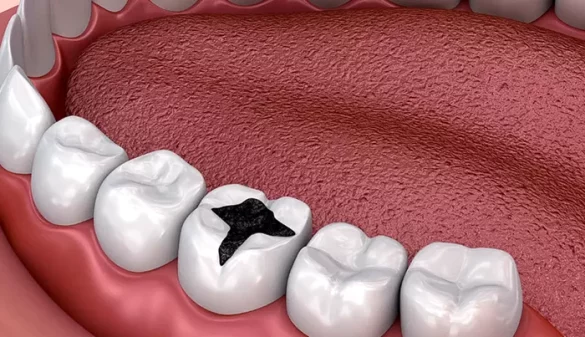
Dental fillings are materials used to restore the function and integrity of missing tooth structure caused by decay or trauma. Traditionally, silver fillings, also known as dental amalgam, were widely used due to their durability and cost-effectiveness. However, modern dentistry has shifted toward other materials, leading many patients to wonder why silver fillings are less common today.
What Are Silver Fillings?
Silver fillings are composed of a mixture of metals including silver, tin, copper, and mercury. Mercury makes up approximately 50% of the mixture, binding the other metals together to form a solid, durable filling. While they are strong and long-lasting, concerns regarding safety, aesthetics, and potential health risks have prompted a decline in their use.
Composition of Amalgam Fillings
The metal mixture in silver fillings provides strength for chewing and biting forces. Silver increases strength, tin provides workability, and copper enhances durability. Mercury, while essential for the chemical reaction, has raised safety concerns due to its potential toxicity in high exposure levels.
Durability and Longevity
Silver fillings are known for their long lifespan, often lasting 10-15 years or more. Their durability made them a preferred choice for back teeth, which endure more pressure during chewing. Despite this, modern alternatives can provide similar longevity without the associated risks of mercury exposure.
Why Don T Dentists Use Silver Fillings Anymore
1. Health Concerns with Silver Fillings
One of the main reasons dentists avoid silver fillings today is due to potential health risks. Mercury, the primary concern, can affect the nervous system if exposure is significant. Although typical dental amalgam releases very low amounts of mercury vapor, prolonged exposure may be harmful for sensitive individuals.
Mercury Toxicity
Mercury is a neurotoxin that can impact the brain, kidneys, and other organs. Studies have shown that while dental amalgam is generally considered safe for most patients, it can pose risks to children, pregnant women, and people with existing kidney or neurological conditions.
Allergic Reactions
Some patients may experience allergic reactions to metals in silver fillings. Symptoms include oral discomfort, inflammation, or rashes. Sensitive teeth and gums can become irritated around these fillings, contributing to gum disease and other dental issues.
3. Aesthetic Concerns
Modern dentistry places high importance on aesthetics. Silver fillings are metallic and dark, making them noticeable, especially in visible teeth. Patients now prefer tooth-colored materials that blend naturally with their enamel.
Visibility and Appearance
Dental amalgam contrasts sharply with natural tooth color. This is particularly problematic for front teeth or smile zones. White fillings, also known as composite resins, offer a natural look while maintaining durability.
Discoloration of Teeth
Silver fillings can cause a gray or dark tint to surrounding teeth over time. This can result in cosmetic dissatisfaction and motivate patients to opt for alternative materials.
4. Environmental and Regulatory Considerations
Mercury in dental amalgam is not only a concern for patient health but also for the environment. Improper disposal can lead to mercury contamination of water and soil. Regulatory agencies in many countries have imposed stricter guidelines on amalgam use, favoring mercury-free alternatives.
Global Mercury Reduction Efforts
The Minamata Convention on Mercury aims to reduce mercury usage globally, including in dental practices. Many dental clinics have reduced or eliminated amalgam to comply with environmental standards.
Safe Disposal Challenges
Special procedures are required to safely dispose of amalgam waste. Failure to follow these protocols can contribute to environmental pollution, prompting dentists to adopt safer filling materials.
Alternatives to Silver Fillings
Advances in dental materials have introduced several options that address both aesthetic and health concerns. These include composite resins, glass ionomer cements, and ceramic fillings.
Composite Resins
Composite resins are tooth-colored fillings made of plastic and glass. They provide strong, natural-looking restorations, making them ideal for visible teeth. These materials bond directly to tooth structure, supporting weakened areas and reducing sensitivity.
Glass Ionomer Fillings
Glass ionomer fillings release fluoride, which can help prevent further decay. They are less durable than composites or amalgam but are beneficial for patients prone to gum disease or cavities near the gum line.
Ceramic Fillings
Ceramic fillings, often made of porcelain, are highly aesthetic and resistant to staining. They are long-lasting and biocompatible, minimizing the risk of allergic reactions or irritation to sensitive teeth and gums.
Patient Safety and Comfort
Modern dentistry emphasizes patient safety and comfort. Tooth-colored fillings reduce the risk of sensitivity associated with metal contraction and expansion. Patients report fewer issues with chewing, biting, and overall oral comfort when using composite or ceramic fillings.
Reduced Sensitivity
Amalgam fillings can expand and contract with temperature changes, causing tooth sensitivity. Composite and ceramic materials have thermal properties closer to natural teeth, minimizing discomfort for patients with sensitive teeth.
Improved Oral Health
By avoiding materials that may irritate gums or contribute to gum disease, patients can maintain healthier oral tissues. Tooth-colored fillings also reduce plaque accumulation around restoration margins, promoting long-term dental health.
Cost Considerations
While silver fillings are often cheaper upfront, the long-term cost can be higher due to potential replacement, cosmetic concerns, and health risks. Tooth-colored alternatives may be slightly more expensive initially but offer better aesthetics and fewer complications over time.
Trends in Modern Dentistry
Today, dental schools and professional organizations recommend minimizing the use of silver fillings, especially in children, pregnant women, and patients with metal sensitivities. The shift toward composites and ceramics reflects a broader focus on holistic patient care and environmental responsibility.
Patient Preferences
Patients increasingly demand natural-looking restorations and are informed about the risks of mercury. Dentists respond by offering safe, effective, and aesthetically pleasing options.
Technological Advances
Advances in bonding technology, resin materials, and ceramics have made alternatives as durable as silver fillings, with fewer side effects and higher patient satisfaction.
Conclusion
The decline in the use of silver fillings is driven by multiple factors: health concerns over mercury, aesthetic considerations, environmental responsibility, and modern material advances. Alternatives like composite, glass ionomer, and ceramic fillings provide safe, durable, and visually appealing solutions. Dentists today prioritize patient comfort, oral health, and overall well-being, explaining why silver fillings are no longer the default choice.