


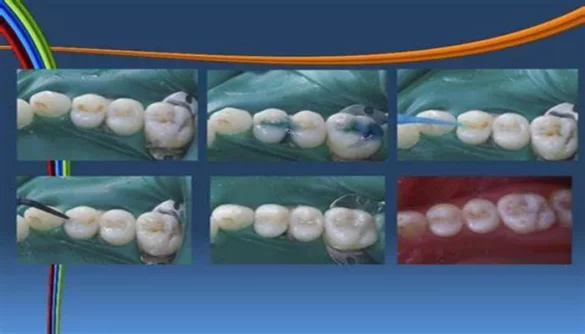
A composite resin filling is a tooth-colored dental restoration used to repair decayed, chipped, or worn teeth. It is made from a mixture of plastic and fine glass particles. Dentists often use this material because it blends well with natural tooth color, making it almost invisible in the mouth. Composite fillings are a preferred alternative to traditional amalgam fillings for patients seeking a more aesthetic solution.
This type of filling offers both cosmetic and functional benefits. It restores tooth structure, prevents further decay, and enhances the smile’s appearance. In modern dentistry, composite resin is considered one of the most versatile materials for tooth restoration.
Why Dentists Use Composite Resin
Dentists choose composite resin for several reasons. It bonds directly to the tooth, providing additional support. The material can be molded to match the tooth’s shape, ensuring a natural look. Unlike amalgam, which may require removal of healthy tooth structure, composite resin allows for more conservative preparation.
Additionally, composite resin is free of mercury, which some patients prefer for health and environmental reasons. Its ability to match the shade of natural teeth makes it an excellent choice for visible areas of the mouth, such as the front teeth.
Composition of Composite Resin
Composite resin is made of two main components:
1. Organic Matrix
The organic matrix contains a resin, usually bisphenol A-glycidyl methacrylate (Bis-GMA) or urethane dimethacrylate (UDMA). This resin is what hardens during the curing process.
2. Inorganic Filler Particles
These are fine glass, quartz, or ceramic particles that provide strength and wear resistance. The size and amount of filler affect the durability and polishability of the filling.
Coupling agents bind the resin and filler particles together, creating a strong material suitable for chewing forces.
Conditions Treated With Composite Resin Fillings
Composite resin fillings can treat several dental issues:
- Repairing cavities caused by tooth decay.
- Restoring chipped or cracked teeth.
- Closing small gaps between teeth.
- Reshaping discolored or misshapen teeth.
- Replacing old or worn fillings.
They are also used in cosmetic bonding procedures to improve the appearance of the smile.
Step-by-Step Procedure for Composite Resin Filling
1. Examination and Diagnosis
The dentist examines the tooth and may take X-rays to assess the extent of decay or damage. If gum disease is present, it may be treated before filling placement to ensure long-term success.
2. Anesthesia
Local anesthesia is administered to numb the tooth and surrounding area. This ensures comfort throughout the procedure.
3. Removal of Decay
The dentist removes decayed or damaged tooth structure. Only the affected portion is removed, preserving as much healthy tooth as possible.
4. Tooth Preparation
The dentist shapes the cavity to receive the filling. The surface is cleaned to remove bacteria and debris.
5. Bonding Process
An adhesive bonding agent is applied to the tooth. This helps the composite resin adhere securely to the enamel and dentin.
6. Placement of Composite Resin
The resin is applied in layers. Each layer is shaped and hardened using a curing light. This layering technique improves strength and reduces shrinkage.
7. Shaping and Polishing
Once the final layer is placed, the dentist shapes the filling to match the tooth’s contours. It is then polished for a smooth, natural finish.
Advantages of Composite Resin Fillings
- Natural Appearance: Matches the color of natural teeth.
- Bonding Strength: Adheres to tooth structure for added support.
- Conservative Preparation: Minimal removal of healthy tooth material.
- Mercury-Free: Does not contain mercury.
- Versatile: Suitable for both front and back teeth.
Possible Disadvantages
- Wear Over Time: May not last as long as amalgam in heavy-bite areas.
- Technique Sensitive: Requires skill for proper placement.
- Cost: Can be more expensive than amalgam fillings.
- Potential for Staining: Can discolor over time if exposed to certain foods and drinks.
Longevity of Composite Resin Fillings
On average, composite resin fillings last 5 to 10 years. Their lifespan depends on factors such as oral hygiene, diet, tooth location, and whether the patient grinds their teeth. Regular dental check-ups help detect early signs of wear or damage.
Post-Treatment Care for Composite Fillings
1. Oral Hygiene
Brush twice daily and floss once a day to prevent plaque buildup and gum disease. Poor oral hygiene can cause decay around the filling edges.
2. Diet Considerations
Avoid hard foods that could chip the filling. Limit consumption of staining foods and drinks such as coffee, tea, and red wine.
3. Managing Sensitive Teeth
Some patients experience temporary tooth sensitivity after a filling. Use toothpaste for sensitive teeth and avoid extreme temperatures in food and drink.
4. Regular Dental Visits
See your dentist every six months for cleaning and examination. Early detection of issues can extend the life of your filling.
Composite Resin vs. Amalgam Fillings
While amalgam fillings are durable and cost-effective, they are silver in color and may require removal of more healthy tooth structure. Composite resin offers better aesthetics and less invasive preparation, making it ideal for patients who value a natural smile. However, amalgam may still be recommended for large restorations in molars where heavy chewing forces occur.
Risks and Precautions
Composite resin fillings are safe for most patients. However, some may experience mild allergic reactions to resin components. If you have a history of allergies to dental materials, inform your dentist before treatment. Poor placement or inadequate bonding can lead to secondary decay, so it is crucial to choose an experienced dentist.
When to Replace a Composite Filling
A filling should be replaced if it is cracked, worn, or if decay develops around it. Signs that you may need replacement include:
- Persistent tooth sensitivity.
- Pain when biting.
- Visible cracks or chips.
- Discoloration of the filling.
Conclusion
Composite resin fillings are a modern, aesthetic, and versatile solution for repairing damaged teeth. They offer excellent bonding strength, preserve natural tooth structure, and blend seamlessly with surrounding teeth. With proper care, these fillings can provide many years of reliable service. Regular dental check-ups, good oral hygiene, and healthy lifestyle habits are key to maintaining both the filling and your overall oral health.
By understanding what a composite resin filling is and how it works, patients can make informed choices about their dental care. Whether for restoring function or improving appearance, composite resin remains a top choice in restorative dentistry.