


Dental cavities, also known as caries, are a common oral health problem. Many people wonder, is it normal to have a lot of cavities? Understanding the causes, risk factors, and prevention strategies is essential. This article explains how cavities form, the role of oral hygiene, diet, and other factors that contribute to tooth decay.
What Are Cavities?
Cavities are permanently damaged areas in the hard surface of your teeth that develop into tiny holes. They are caused by a combination of bacteria, food, and poor oral hygiene. When plaque, a sticky film of bacteria, builds up on teeth, it produces acids that attack the enamel. Over time, this leads to decay and cavity formation. Cavities can affect both children and adults and vary in severity.
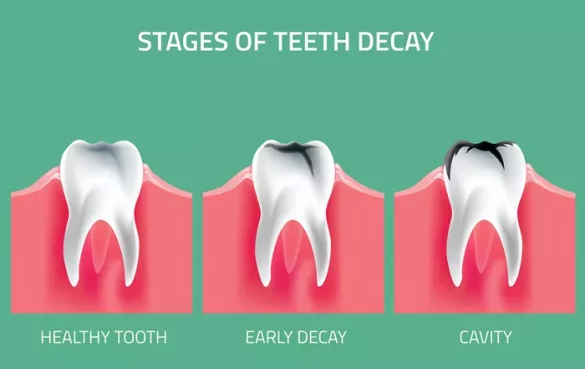
Stages of Cavity Formation
The development of a cavity occurs in several stages:
Initial demineralization: Acid produced by bacteria begins to dissolve the enamel.
Enamel decay: The enamel weakens and small holes form.
Dentin decay: If untreated, decay reaches the dentin, causing increased sensitivity.
Pulp involvement: Severe decay reaches the pulp, potentially causing pain and infection.
Causes of Multiple Cavities
Having multiple cavities can seem alarming. While some cavity formation is common, a large number indicates higher risk factors or poor dental care. Common causes include:
Poor Oral Hygiene
Failing to brush and floss regularly allows plaque to accumulate, increasing acid production. Neglecting dental cleanings accelerates decay and may lead to gum disease, which can worsen tooth damage.
High Sugar Diet
Frequent consumption of sugary foods and drinks feeds the bacteria that cause cavities. Snacks like candy, soda, and desserts increase the risk of developing multiple cavities over time.
Dry Mouth
Saliva helps wash away food particles and neutralizes acids. Conditions that reduce saliva production, such as certain medications or medical issues, increase the likelihood of cavities.
Genetic Factors
Some individuals are more prone to cavities due to enamel composition, tooth alignment, or saliva chemistry. Genetics can influence how easily cavities develop and how severe they may become.
Medical Conditions
Diseases like diabetes and conditions that affect the immune system can increase susceptibility to cavities. Acid reflux can also erode enamel, making teeth more vulnerable.
Symptoms of Extensive Cavities
Recognizing cavities early can prevent complications. Common symptoms include:
Tooth sensitivity: Pain or discomfort when consuming hot, cold, or sweet foods.
Visible holes or pits: Small dark spots or indentations on teeth.
Toothache: Persistent pain that may indicate deep decay.
Bad breath: Bacterial buildup can cause unpleasant odor.
Gum inflammation: Gum disease may accompany severe cavities.
Is It Normal to Have a Large Number of Cavities?
While it is common for most people to experience one or two cavities in their lifetime, having a large number is not considered normal. Multiple cavities often indicate:
- Poor oral hygiene habits.
- High sugar or acidic diet.
- Underlying medical conditions.
- Neglected dental care, such as irregular checkups.
Persistent cavities should prompt a dental consultation to prevent tooth loss, infection, and further complications.
Complications of Multiple Cavities
If left untreated, multiple cavities can lead to serious dental and overall health problems:
Gum disease: Severe cavities can contribute to inflammation and infection of the gums.
Tooth abscess: Infection may reach the tooth root, causing pain and swelling.
Tooth loss: Extensive decay may require extraction.
Systemic infection: Severe oral infections can affect overall health, particularly in vulnerable populations.
Prevention Strategies
Preventing cavities requires consistent oral hygiene and lifestyle changes. Key strategies include:
Brushing and Flossing
Brush teeth at least twice daily with fluoride toothpaste. Flossing once a day removes plaque and food particles between teeth, reducing the risk of cavities and gum disease.
Regular Dental Visits
Professional cleanings and checkups help detect cavities early and provide treatment before extensive damage occurs. Dentists may apply fluoride treatments or dental sealants to protect vulnerable teeth.
Dietary Changes
Limiting sugary and acidic foods reduces the bacteria that cause decay. Drinking water and eating fibrous fruits and vegetables can help clean teeth naturally.
Saliva Promotion
Chewing sugar-free gum and staying hydrated can increase saliva flow, which neutralizes acids and protects teeth against cavities.
Fluoride Use
Fluoride strengthens enamel and helps repair early stages of tooth decay. Use fluoride toothpaste and consider professional fluoride treatments if at high risk for cavities.
Treatment Options for Multiple Cavities
Treating a large number of cavities may require various dental procedures depending on severity:
Fillings
Small to moderate cavities are treated with fillings to restore tooth structure. Materials include composite resin, amalgam, or porcelain.
Root Canal Therapy
When decay reaches the pulp, a root canal may be necessary to remove infected tissue and save the tooth.
Crowns
Severely decayed teeth may require crowns to restore strength, function, and appearance.
Extractions
In cases where teeth cannot be saved, extraction may be necessary. Dental implants or bridges can replace lost teeth.
Living with Sensitive Teeth
People with multiple cavities often experience sensitive teeth. Pain may occur when eating or drinking hot, cold, or sweet items. Managing sensitivity includes using desensitizing toothpaste, avoiding acidic foods, and following a dentist’s advice.
Conclusion
While it is common to experience cavities, having a large number is not considered normal. Multiple cavities usually indicate poor oral hygiene, dietary factors, or underlying medical conditions. Early detection, proper dental care, and preventive measures are crucial to maintaining healthy teeth and gums. Regular dental visits, proper brushing and flossing, fluoride use, and dietary control can help prevent further decay and reduce the risk of gum disease and sensitive teeth.