


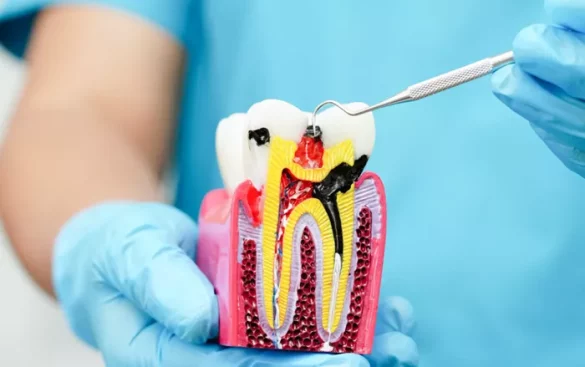
Dental health is a cornerstone of overall well-being, yet many people overlook the maintenance of their fillings and the risks associated with neglecting oral care. Fillings are designed to restore damaged teeth and prevent further decay, but they are not permanent solutions. Understanding why fillings may fall out, how to recognize early warning signs, and how to maintain oral hygiene can significantly extend their lifespan and protect against complications such as gum disease and Sensitive Teeth.
Understanding Dental Fillings
Dental fillings are a common solution for restoring teeth affected by cavities or minor damage. They help protect the tooth structure, restore function, and prevent further decay. Fillings can be made of materials such as amalgam, composite resin, gold, or porcelain. Each material has unique properties, but all serve the primary purpose of sealing damaged areas of a tooth.
Is It Common for Fillings to Fall Out
It is not uncommon for dental fillings to fall out, though it is not considered normal. Fillings are designed to last several years, but various factors can cause them to become loose or fall out sooner than expected. Reasons for fillings falling out include:
Decay around the filling: New decay or cavities around or under the filling can weaken the tooth structure, causing the filling to lose its grip.
Poor bonding or debonding: Sometimes, fillings fall out shortly after placement due to improper bonding between the filling material and the tooth.
Wear and tear: Daily chewing, biting, grinding (bruxism), and clenching can stress the filling, causing it to wear down, crack, or loosen.
Eating hard or sticky foods: These can exert excessive pressure on fillings or pull them loose.
Age of the filling: Over time, the filling material’s durability decreases, increasing the likelihood of it falling out.
Dental trauma or cracks: Impact injuries or cracks in teeth can weaken the area where the filling is attached.
Poor oral hygiene: Failure to maintain good oral hygiene can lead to further decay and weakening of the filling bond.
It is important to address a lost or loose filling promptly with a dentist to prevent further complications. Fillings can typically be replaced, but repeated replacements may eventually require more durable solutions like crowns.
In summary, while it’s not normal, fillings falling out is a fairly common issue caused by multiple factors related to decay, material wear, bonding issues, and mechanical stresses on the tooth and filling.
Signs That a Filling Is Loose or Falling Out
Patients should monitor their teeth for early warning signs of a filling coming loose:
Sensitivity to Temperature
Sensitivity to hot, cold, or sweet foods may indicate that a filling is compromised. Exposed dentin or tooth structure can cause Sensitive Teeth symptoms.
Visible Cracks or Gaps
If you notice a crack, chip, or space between your tooth and filling, it may be loosening. Prompt dental attention can prevent further damage.
Pain or Discomfort
Pain when biting or chewing can indicate that a filling is unstable or that decay has returned. Ignoring this symptom can lead to more serious dental problems.
Preventing Fillings from Falling Out
Proper dental care can significantly reduce the risk of filling loss. Here are some effective strategies:
Maintain Excellent Oral Hygiene
Brush twice a day with fluoride toothpaste and floss daily to remove plaque. Regular care prevents gum disease and decay that could compromise fillings.
Regular Dental Checkups
Visiting the dentist every six months allows early detection of issues with fillings. A dentist can assess the integrity of existing fillings and replace or repair them before they fail.
Avoid Hard Foods and Habits
Chewing ice, hard candies, or using teeth as tools can dislodge fillings. Avoiding these habits protects both teeth and dental work.
Wear a Night Guard if Necessary
If you grind your teeth during sleep, a custom night guard can reduce pressure on fillings and prevent damage. This is especially important for patients with Sensitive Teeth.
When to Seek Dental Help
If a filling falls out, it is important to seek prompt dental care. Leaving a tooth exposed increases the risk of decay, infection, and discomfort. Temporary solutions like dental cement can be used at home, but professional treatment is necessary for long-term protection.
Emergency Situations
If a tooth is broken or severely painful after a filling falls out, contact your dentist immediately. Early intervention prevents complications such as abscess formation or tooth loss.
Fillings and Gum Disease
Gum disease can indirectly affect the stability of dental fillings. Inflammation, gum recession, and infection around the tooth can weaken the support for fillings. Maintaining healthy gums is crucial to ensure fillings last as long as possible.
Conclusion
In conclusion, it is relatively common for dental fillings to fall out due to wear, decay, poor hygiene, or improper placement. Paying attention to oral hygiene, scheduling regular dental visits, and avoiding damaging habits can extend the life of fillings. Addressing issues promptly ensures the protection of your teeth and reduces the risk of Sensitive Teeth and gum disease.