


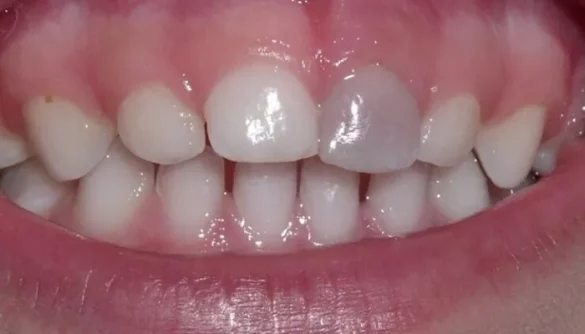
Dental implants have become a common solution for missing teeth. They offer long-term durability and restore the natural look of your smile. However, some patients notice changes in the color of their gums after getting implants. One of the concerns is gray discoloration around the implant site. Understanding the causes and preventive measures is essential to maintain healthy gums and teeth.
What Are Dental Implants?
Dental implants are artificial tooth roots made of biocompatible materials, usually titanium or zirconia. They are surgically placed into the jawbone to support crowns, bridges, or dentures. Implants help restore chewing ability, speech, and facial structure. They also prevent bone loss that occurs after missing teeth. Despite their benefits, implants can sometimes lead to changes in gum appearance.
Are Dental Implants Turning My Gums Gray?
Dental implants themselves do not turn your gums gray. However, the gray color in your gums after implant placement is usually due to the metal (typically titanium) of the implant showing through your gum tissue, especially if the gum tissue is thin or translucent.
Gum color can vary based on several factors. Healthy gums are typically pink, but shades can range from light pink to dark brown depending on genetics and melanin levels. Changes in gum color can indicate an underlying dental or medical issue. Gray or bluish gums are often a sign of metal exposure, poor oral hygiene, gum disease, or tissue inflammation. Understanding the specific reason is crucial for appropriate care.
1. Metal Exposure from Implants
Most dental implants use titanium, a biocompatible metal. In rare cases, gums may appear gray or bluish around the implant due to the thinness of gum tissue or metal showing through. This is more common in patients with thin or receding gums. Zirconia implants, which are white ceramic, are less likely to cause gray discoloration. Patients concerned about aesthetic changes should discuss implant material options with their dentist.
2. Gum Disease and Infection
Gum disease, also known as periodontitis, can develop around dental implants. Poor oral hygiene allows bacteria to accumulate, causing inflammation, infection, and gum discoloration. Early signs include redness, swelling, bleeding, and sensitivity. If untreated, gum disease can progress to peri-implantitis, which affects the bone and may lead to implant failure. Maintaining proper oral hygiene is essential to prevent these complications.
3. Excessive Pressure on Implants
Improperly placed implants or ill-fitting prosthetics can put stress on surrounding gum tissue. Constant pressure may reduce blood flow, causing gums to darken or appear gray. Regular dental checkups allow your dentist to monitor implant alignment and address any pressure issues early. Adjustments to crowns or bridges can prevent long-term discoloration and tissue damage.
Other Factors Contributing to Gray Gums
Smoking and Tobacco Use
Smoking reduces blood flow and increases the risk of gum disease. It can also lead to darkened or grayish gums around implants. Quitting smoking improves gum health and supports implant success. Even occasional tobacco use can affect gum color and healing after implant surgery.
Medications
Certain medications may impact gum pigmentation or tissue health. Drugs that affect blood circulation or cause dry mouth can lead to grayish gum appearance. Always inform your dentist about your current medications before implant surgery.
Genetic and Natural Factors
Some patients naturally have darker gums or more melanin in their gum tissue. This can make implants appear to cause discoloration, even when there is no underlying problem. In these cases, grayish gums may be a cosmetic concern rather than a health issue.
Symptoms That Require Immediate Attention
Gray gums around implants should not be ignored. Other symptoms may indicate infection or implant complications. Seek dental care immediately if you notice:
- Persistent swelling or redness
- Bleeding when brushing or flossing
- Sensitivity around the implant
- Foul taste or discharge from the implant site
- Loose or unstable implant
Preventing Gray Gums Around Implants
Proper care can reduce the risk of gum discoloration and implant complications. Consider the following steps:
Maintain Good Oral Hygiene
Brush twice daily with a soft-bristled toothbrush and fluoride toothpaste. Floss carefully around the implant to remove plaque. Consider using an antimicrobial mouth rinse to reduce bacteria and prevent gum disease.
Regular Dental Visits
Schedule checkups every 6 months or as recommended by your dentist. Professional cleaning removes plaque and tartar that cannot be eliminated by regular brushing. Dental exams help identify early signs of gum disease, sensitivity, or implant issues.
Choose the Right Implant Material
If you are concerned about gum aesthetics, discuss implant materials with your dentist. Zirconia implants are white and blend with natural teeth, reducing the likelihood of gray discoloration. Titanium implants remain the standard due to their strength and proven success, but thin gums may reveal some metal coloration.
Quit Smoking and Limit Alcohol
Smoking and excessive alcohol consumption can compromise gum health and slow healing. Reducing or eliminating these habits supports implant longevity and keeps gums healthy and pink.
Treatments for Gray Gums
Gum Grafting
Gum grafting involves taking tissue from another part of the mouth and attaching it around the implant. This can cover exposed metal and restore natural pink coloration. Gum grafts also strengthen thin or receding gums, protecting implants from further damage.
Implant Replacement
In rare cases, discoloration may require replacing the implant with a zirconia option. This is usually considered if the implant is causing persistent aesthetic or health issues. Consult a dental specialist before deciding on replacement.
Professional Whitening and Cosmetic Solutions
While tooth whitening products do not change gum color, cosmetic procedures like soft tissue pigmentation correction may help. These treatments are usually performed by periodontists and can restore uniform gum color around implants.
Importance of Sensitive Teeth Management
Patients with dental implants may experience sensitive teeth. Sensitivity can arise from gum recession, enamel wear, or implant placement pressure. Managing sensitivity through desensitizing toothpaste, proper brushing techniques, and avoiding extreme temperatures can improve overall comfort and prevent further gum damage.
Conclusion
Gray gums around dental implants can have multiple causes, including metal exposure, gum disease, smoking, and genetic factors. Most cases are preventable or treatable with proper oral care, regular dental checkups, and attention to implant materials. Patients should monitor changes in gum color and report any concerning symptoms to their dentist promptly. By following preventive measures and addressing issues early, you can maintain healthy gums and enjoy the full benefits of dental implants.