


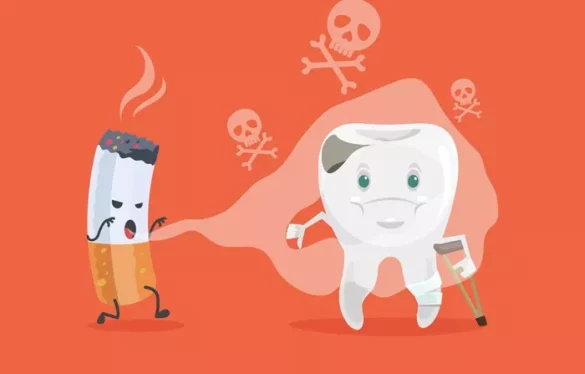
Tooth extractions are common dental procedures performed to remove damaged, decayed, or impacted teeth. After extraction, proper healing is essential to avoid complications. However, one of the most harmful habits that interfere with recovery is smoking. Smoking after tooth extractions can lead to gum inflammation, delayed healing, infections, and severe pain. This article will provide a detailed explanation of why smoking is harmful after tooth removal, supported by dental science, and will guide patients on safer alternatives for recovery.
Understanding the Healing Process After Tooth Extraction
When a tooth is removed, the body begins a natural healing process. A blood clot forms in the socket where the tooth once was. This clot protects the underlying bone and nerve endings. It also creates the foundation for new tissue growth. Without this clot, healing is interrupted, and complications occur.
The healing process can be divided into several stages:
Formation of the Blood Clot
Within minutes after extraction, bleeding occurs. A blood clot quickly forms, sealing the socket. This clot is fragile and easily dislodged if exposed to suction or trauma.
Early Tissue Healing
In the first few days, soft tissue begins to grow over the clot. This stage is delicate. Any disturbance can lead to socket exposure and infection.
Bone Regeneration
Over weeks to months, the body replaces the clot with bone tissue. This completes the healing process, leaving the patient with a stable oral structure.
Why Smoking Interferes with Healing
Smoking affects multiple aspects of oral health. It introduces nicotine, carbon monoxide, and thousands of harmful chemicals into the bloodstream and oral tissues. These substances delay healing, increase infection risk, and compromise circulation.
Nicotine Reduces Blood Flow
Nicotine is a vasoconstrictor, meaning it narrows blood vessels. Reduced blood flow means less oxygen and fewer nutrients reach the healing site. As a result, gum tissues recover slowly after tooth extractions.
Chemical Irritation
Cigarette smoke contains toxic chemicals that irritate oral tissues. These toxins damage gum cells, interfere with collagen production, and slow down the repair process.
Carbon Monoxide Deprives Oxygen
Carbon monoxide from smoke binds to hemoglobin in the blood, reducing oxygen delivery to tissues. Oxygen is vital for wound healing. Lack of oxygen prolongs recovery time.
Dry Socket: The Most Serious Complication
One of the biggest risks of smoking after tooth extraction is dry socket (alveolar osteitis). This condition occurs when the blood clot is dislodged or fails to form properly. Without protection, the bone and nerves in the socket are exposed, leading to severe pain.
How Smoking Causes Dry Socket
The act of inhaling while smoking creates suction in the mouth. This suction can pull out the clot. In addition, hot smoke and chemicals irritate the clot and prevent stability.
Symptoms of Dry Socket
- Intense throbbing pain starting a few days after extraction
- Visible empty socket with exposed bone
- Bad breath and foul taste
- Radiating pain to the ear, eye, or neck
Consequences of Dry Socket
Dry socket delays healing, prolongs discomfort, and may require professional treatment. Dentists often clean the socket, apply medicated dressings, and prescribe pain relievers.
Gum Inflammation and Infection Risk
Smoking significantly increases the risk of gum inflammation and infections after tooth extractions. Harmful bacteria thrive in the oral cavity of smokers, creating an environment that favors infection.
Effects on the Immune System
Smoking weakens the immune response. White blood cells become less effective, making it harder to fight bacterial invasion at the extraction site.
Periodontal Disease Connection
Smokers are more likely to develop periodontal disease, which further complicates healing after extractions. Inflamed gums and bone loss slow down the recovery process.
Delayed Healing and Prolonged Pain
Because smoking reduces blood flow, irritates tissues, and weakens immunity, wounds heal slower. Patients who smoke after tooth extraction often experience pain for weeks longer than non-smokers. Delayed healing may also lead to secondary complications such as chronic infection or additional dental procedures.
Impact on Bone and Tissue Regeneration
Bone and gum regeneration are critical after tooth extractions, especially for patients considering dental implants later. Smoking hinders both bone growth and tissue repair. Nicotine and other chemicals interfere with osteoblasts, the cells responsible for bone formation. This makes it more difficult to restore oral structures fully.
Impact on Dental Implants After Extraction
Many patients undergo tooth extractions in preparation for dental implants. However, smoking increases the risk of implant failure. Implant success depends on proper osseointegration, where bone fuses with the implant. Smoking weakens bone healing and raises the chance of implant rejection.
Smoking and Blood Clot Stability
Even if a blood clot forms, smoking can weaken its stability. Suction from inhaling, exposure to toxins, and decreased immune defense make the clot vulnerable. Once the clot is lost, the socket remains open, leading to severe pain and infections.
Secondhand Risks: Impact on Oral Environment
Even if patients try to smoke gently, secondhand smoke lingers in the oral cavity. Chemicals from smoke continue to irritate the healing site, prolonging recovery. Residue from tobacco can also settle on gum tissues, encouraging bacterial growth and gum inflammation.
How Long Should You Avoid Smoking After Tooth Extraction?
Dentists strongly recommend avoiding smoking for at least 72 hours after tooth extraction. However, complete abstinence for 1–2 weeks is best. The longer the healing site is protected, the lower the risk of dry socket, gum inflammation, and infections.
Tips for Smokers Recovering from Tooth Extractions
Quitting smoking permanently offers the best outcome, but for those who struggle, temporary strategies can help reduce harm:
- Delay smoking for as long as possible after surgery
- Use nicotine patches instead of cigarettes during healing
- Rinse the mouth with saltwater as recommended by your dentist
- Avoid drinking alcohol, which also irritates healing tissues
- Maintain excellent oral hygiene without disturbing the extraction site
Alternatives to Smoking During Healing
Smokers may feel cravings after tooth extractions. Instead of lighting a cigarette, healthier alternatives include:
- Nicotine replacement products (gum, patches, lozenges)
- Deep breathing exercises to reduce stress
- Chewing sugar-free gum once approved by the dentist
- Staying hydrated with water
Conclusion
Smoking after tooth extraction is harmful for many reasons. It disrupts blood clot formation, increases the risk of dry socket, delays healing, causes gum inflammation, and weakens immune response. It also affects long-term oral health by interfering with bone regeneration and implant success. To ensure proper recovery, patients should avoid smoking for as long as possible after extractions. Ideally, this is a time to quit smoking permanently, improving not only oral health but also overall well-being.