


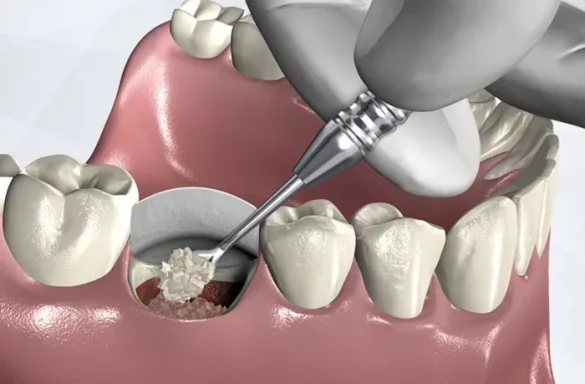
Tooth extraction is a common dental procedure performed when a tooth is damaged, decayed, or impacted beyond repair. After extraction, the empty space left behind is called the tooth socket. Keeping the tooth socket clean after extraction is critical to proper healing, preventing infection, and avoiding complications such as dry socket, gum disease, and delayed recovery. This detailed guide provides professional advice on how to maintain socket hygiene, manage sensitive teeth, and promote long-term oral health.
Why Tooth Socket Care Is Important
The tooth socket is an open wound immediately after an extraction. Proper care is necessary because:
- It helps form a stable blood clot that protects the underlying bone and nerves.
- It reduces the risk of infection and gum disease.
- It speeds up healing and prevents prolonged pain or inflammation.
- It minimizes complications such as dry socket or delayed healing in sensitive teeth.
Understanding the Healing Process After Extraction
The First 24 Hours
During the first day, a blood clot forms in the tooth socket. This clot acts as a natural bandage, protecting tissues and nerves. Avoiding disruption of this clot is crucial.
24 to 72 Hours
Inflammation reduces, and tissue regeneration begins. Swelling and discomfort are common but usually manageable with pain relievers and cold compresses.
One to Two Weeks
New tissue gradually covers the socket. Proper oral hygiene ensures healthy gum tissue growth and reduces the chance of gum disease.
Long-Term Healing
Bone regeneration continues for several months. By maintaining socket hygiene and oral care, patients can avoid complications and ensure stable healing.
Essential Steps to Keep Tooth Socket Clean
Step 1: Control Bleeding
Immediately after extraction, dentists place gauze on the socket. Patients should bite down gently to apply pressure and allow clot formation. Avoid excessive spitting or rinsing, as this may dislodge the clot.
Step 2: Maintain Oral Hygiene
Brush teeth gently, avoiding the extraction site. Use a soft-bristled toothbrush to clean surrounding teeth. This prevents plaque buildup that could spread bacteria into the socket and cause infection or gum disease.
Step 3: Rinse With Saltwater
After 24 hours, rinsing with warm saltwater (half a teaspoon of salt in a glass of water) helps clean the socket naturally. Saltwater reduces bacteria, eases inflammation, and promotes healing.
Step 4: Avoid Harsh Chemicals
Do not use mouthwash with alcohol immediately after extraction. Strong chemicals may irritate tissues and delay healing, especially in patients with sensitive teeth.
Step 5: Use Prescribed Rinses
If a dentist prescribes antimicrobial rinses such as chlorhexidine, use them as directed. These rinses lower bacterial growth and reduce infection risk.
Step 6: Stay Hydrated
Water keeps the mouth clean and supports healing. Avoid carbonated or sugary drinks that may irritate the socket or encourage bacterial growth.
Foods and Drinks That Support Socket Healing
Recommended Foods
Soft foods such as yogurt, mashed potatoes, scrambled eggs, smoothies, and soups are ideal during the first week. They minimize chewing and pressure on the socket.
Foods to Avoid
Avoid crunchy, spicy, and sticky foods that may irritate the area. Seeds and nuts can lodge in the socket, slowing healing and increasing the risk of infection.
Safe Beverages
Drink cool water, herbal teas, and milk. Avoid alcohol, caffeine, and carbonated drinks during the early healing stage.
Habits That Delay Healing
Smoking: Nicotine reduces blood flow and increases the risk of dry socket.
Using straws: Suction can dislodge the clot and expose nerves.
Excessive touching: Using fingers or tongue to probe the socket delays recovery.
Poor hygiene: Not brushing or rinsing properly increases bacteria and gum disease risk.
Signs of Complications in the Tooth Socket
Dry Socket
Occurs when the blood clot is lost or fails to form. Symptoms include severe pain, foul odor, and exposed bone. Immediate dental treatment is necessary.
Infection
Signs include swelling, pus, persistent fever, and gum redness. Infection requires antibiotics and professional cleaning.
Excessive Bleeding
Bleeding beyond 24 hours may signal clotting problems or trauma. Consult a dentist if bleeding persists.
Sensitive Teeth and Gum Pain
Surrounding teeth may feel sensitive due to tissue changes. Gum discomfort is expected but should gradually reduce. Persistent pain may indicate gum disease or socket infection.
Special Care Tips for Patients with Gum Disease
Patients with pre-existing gum disease must take extra care to avoid infection. Professional cleanings, prescribed rinses, and consistent hygiene reduce risks. Gum disease slows healing, so regular follow-ups with the dentist are necessary.
When to Contact a Dentist
Immediate dental care is required if patients notice:
- Severe pain not relieved by medication
- Persistent bleeding
- Swelling that worsens after three days
- Fever and general illness
- Bad taste or foul odor in the mouth
Long-Term Oral Health After Extraction
Preventing Gum Disease
Maintaining good oral hygiene with daily brushing, flossing, and professional cleanings helps prevent gum disease and ensures lasting oral health.
Protecting Sensitive Teeth
Use toothpaste for sensitive teeth to reduce discomfort. Avoid acidic foods that erode enamel. Proper care prevents sensitivity from spreading to surrounding teeth.
Future Dental Treatments
After extraction, patients may consider dental implants, bridges, or partial dentures. Socket preservation techniques can help maintain bone structure for future restorative procedures.
Conclusion
Learning how to keep the tooth socket clean after extraction is essential for recovery. From controlling bleeding to maintaining oral hygiene, every step plays a role in preventing gum disease, infection, and sensitive teeth. With consistent care, regular dental check-ups, and attention to warning signs, patients can ensure a smooth recovery and long-lasting oral health.