


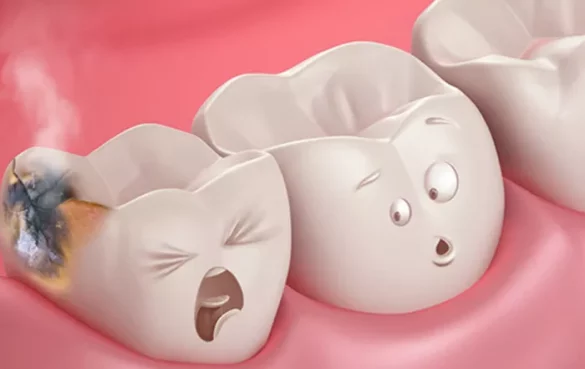
When people notice black spots on their teeth, the first thought that often comes to mind is tooth decay. Cavities are one of the most common causes of dental discoloration, but not every dark mark on a tooth means there is decay present.
Understanding the difference between cavities and other causes of black spots is essential for proper oral care. This article will explain in detail whether all black spots indicate cavities, what else they may mean, and how to manage and prevent them. It will also highlight the relationship between black spots, gum disease, and sensitive teeth.
What Are Cavities?
Cavities, also called dental caries, are areas of tooth decay caused by bacteria that feed on sugars and starches. These bacteria produce acid that erodes the enamel, eventually leading to visible holes or discolored areas. Cavities can appear as black, brown, or white spots depending on the stage of decay. Left untreated, cavities may spread to deeper layers of the tooth, leading to pain, sensitivity, and infection.
Early Signs of Cavities
In the earliest stage, cavities may not show visible black spots. Instead, they may present as chalky white lesions where enamel is demineralizing. Over time, these areas may darken. If the spot is due to decay, it may feel sticky or soft when probed by a dentist.
How Cavities Progress
If a black spot is caused by a cavity, it can expand as the bacteria penetrate deeper layers of dentin and pulp. This can cause pain, tooth sensitivity, and eventually lead to infection or abscess formation. At this stage, professional dental treatment such as fillings, crowns, or root canal therapy may be required.
Causes of Black Spots That Are Not Cavities
Not all black spots are cavities. In fact, many cases of dark marks on teeth are linked to other dental or lifestyle-related factors. Identifying these causes helps prevent unnecessary anxiety and ensures correct treatment.
1. Staining from Foods and Drinks
Common beverages like coffee, tea, red wine, and cola contain pigments that can attach to enamel and leave dark spots. Foods such as berries and soy sauce can also cause staining. Unlike cavities, stains are usually smooth to the touch and can often be removed by professional cleaning.
2. Tobacco Use
Smoking cigarettes or chewing tobacco can cause stubborn dark stains on teeth. These often appear as black or brown patches near the gumline. While these spots are not cavities, they do increase the risk of gum disease, oral cancer, and bad breath.
3. Tartar and Plaque Buildup
Plaque is a sticky film of bacteria that can harden into tartar if not removed. Tartar is porous and can trap stains, leading to black spots. This condition is closely associated with gum disease, and professional scaling is required to remove tartar effectively.
4. Dental Restorations
Old fillings, particularly amalgam fillings, may cause dark discoloration around the treated area. These black spots are not cavities but can sometimes mimic their appearance. A dentist can determine whether replacement or repair is necessary.
5. Natural Tooth Anatomy
Some teeth naturally have grooves or pits that may appear darker. These areas can trap debris and stains but are not always signs of decay. Sealants may be applied in children and adults to protect these vulnerable surfaces from cavities.
6. Medication and Medical Conditions
Certain medications, such as liquid iron supplements, can cause tooth discoloration. Some medical conditions that affect enamel development may also result in dark spots. These are not cavities but require evaluation to rule out other dental issues.
How Dentists Differentiate Between Cavities and Stains
Dentists use several diagnostic methods to determine the cause of black spots. A visual exam, probing with dental instruments, and X-rays help distinguish between surface stains and decay. Stains are usually removable, while cavities often appear as soft or hollow areas.
Visual Inspection
A dentist will carefully examine the surface of the tooth. Smooth, uniform black spots are more likely to be stains, while irregular dark areas with rough or soft textures often indicate cavities.
Probing
By gently pressing a dental explorer against the tooth, dentists can detect soft or sticky spots that suggest decay. Stains will not give way under pressure.
Dental X-Rays
X-rays are highly effective for detecting hidden decay. If the black spot is a stain, the X-ray will not reveal any structural damage. If it is a cavity, the X-ray will show a shadow or gap in the enamel or dentin.
Symptoms That Suggest Cavities Rather Than Stains
Some symptoms help patients and dentists determine whether a black spot is due to decay rather than a harmless stain.
Tooth Sensitivity
Cavities often cause sensitivity to hot, cold, sweet, or acidic foods. If a black spot is accompanied by sensitivity, it may indicate tooth decay.
Pain and Discomfort
Sharp or throbbing tooth pain suggests that the black spot may be a cavity. Stains, on the other hand, typically cause no discomfort.
Changes in Gum Health
If black spots are near the gumline and accompanied by swelling, redness, or bleeding, gum disease may also be present. This condition can worsen if not treated early.
The Link Between Black Spots, Gum Disease, and Sensitive Teeth
Black spots may sometimes indicate more than just cavities or stains. They may be connected to gum disease and sensitive teeth.
Gum Disease
Tartar buildup that appears as black deposits near the gums is a major risk factor for gum disease. If left untreated, gum disease can lead to tooth loss, bone deterioration, and systemic health issues.
Sensitive Teeth
If decay is the cause of the black spot, enamel erosion may expose dentin, leading to sensitive teeth. Patients may feel discomfort when consuming hot or cold foods. Treatment with desensitizing toothpaste or restorative dental work may be required.
When to See a Dentist
Any black spot on a tooth should be evaluated by a dentist to rule out cavities or other conditions. Delaying treatment can worsen decay or allow gum disease to progress. Professional cleaning, fluoride treatments, and fillings may be recommended depending on the cause.
Prevention of Black Spots on Teeth
Preventing black spots, whether caused by cavities or stains, requires consistent oral hygiene and regular dental visits.
Daily Oral Care
Brushing twice daily with fluoride toothpaste and flossing once daily are essential. Mouthwash can help reduce bacterial growth and prevent plaque buildup.
Dietary Changes
Limiting sugary snacks and acidic drinks reduces the risk of cavities. Drinking water after meals can help wash away food particles and prevent staining.
Professional Dental Visits
Seeing a dentist every six months ensures early detection of cavities and stains. Professional cleanings remove plaque and tartar that cannot be removed with brushing alone.
Quit Smoking
Eliminating tobacco use prevents black stains and reduces the risk of gum disease and oral cancer.
Treatment Options for Black Spots
The treatment of black spots depends on the underlying cause.
For Cavities
Small cavities can be treated with fillings. More advanced decay may require crowns or root canal treatment. Fluoride treatments may help remineralize early decay.
For Stains
Professional whitening treatments, scaling, and polishing can remove stains. Home whitening kits may also help, but they should be used under dental supervision.
For Tartar and Gum Disease
Scaling and root planing remove tartar and reduce gum inflammation. In advanced cases, gum surgery may be needed to restore oral health.
Conclusion
Not all black spots on teeth mean cavities. While tooth decay is one possible cause, other factors such as staining, tartar buildup, and dental restorations may also be responsible. Distinguishing between harmless discoloration and decay is crucial, as cavities require prompt treatment to prevent complications. Regular dental care, good oral hygiene, and professional evaluations are the best ways to protect against cavities, gum disease, and sensitive teeth. Anyone noticing black spots should schedule a dental visit to ensure an accurate diagnosis and appropriate treatment.