


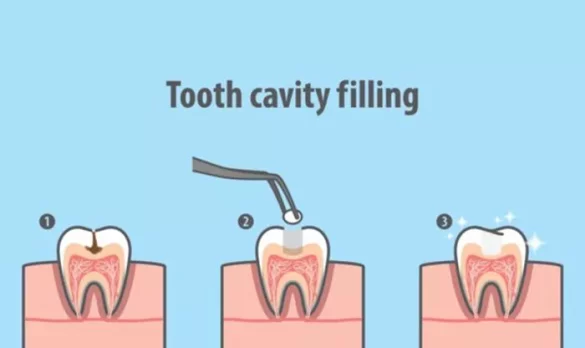
A molar cavity is a common dental issue caused by tooth decay. Molars are located at the back of the mouth and are crucial for chewing. If cavities are left untreated, they can lead to gum disease, infections, and even tooth loss. Many patients ask how long it takes to fill a molar cavity, as understanding the process helps reduce anxiety and plan dental visits.
Factors Affecting the Time to Fill a Molar Cavity
Cavity Size and Depth
The size and depth of the cavity are major factors that determine the treatment time. Small cavities can be filled quickly, often in 20 to 30 minutes. Large or deep cavities may require 45 to 90 minutes, depending on how much decay needs removal and whether the pulp is involved.
Type of Filling Material
Different materials affect procedure duration. Composite resin fillings usually take longer because they are applied in layers and hardened with a light. Amalgam fillings may be faster to place but require shaping and polishing. Dentists choose materials based on durability, cost, and patient preference, especially for molars that bear heavy chewing forces.
Patient-Specific Factors
Individual dental health can influence treatment time. Patients with gum disease or sensitive teeth may need additional steps such as anesthetic adjustments or gum protection. Anxiety or difficulty opening the mouth can also slightly prolong the procedure.
The Step-by-Step Process of Filling a Molar Cavity
Step 1: Examination and X-Rays
The dentist begins by examining the affected molar and may take an X-ray to assess the extent of decay. This ensures that all decay is identified and prevents future problems.
Step 2: Anesthesia Administration
Local anesthesia is used to numb the tooth and surrounding gum tissue. This is especially important for molars, as they are large and may cause discomfort during drilling. Proper anesthesia ensures a pain-free experience for patients with sensitive teeth.
Step 3: Removing Decay
The dentist uses a drill or laser to remove decayed tissue. The duration depends on the cavity size and location. Molars often require careful shaping to preserve healthy tooth structure and prevent damage to the pulp.
Step 4: Cleaning and Preparing the Tooth
After decay removal, the dentist cleans the cavity to remove bacteria and debris. A clean surface is critical for a strong bond between the filling and the tooth. Patients with gum disease may need additional cleaning to prevent infection.
Step 5: Filling Placement
The dentist fills the cavity with the chosen material. Composite resin fillings are applied in layers and hardened with a curing light. Amalgam fillings are shaped directly into the cavity. This step may take 10–30 minutes, depending on material and cavity complexity.
Step 6: Shaping and Polishing
Once the filling is in place, the dentist shapes it to match the natural contours of the molar. Polishing ensures smooth surfaces that prevent food accumulation and minimize sensitive teeth reactions. Proper shaping also improves bite alignment.
Typical Duration for Molar Cavity Fillings
For small cavities, the procedure may take approximately 20–30 minutes. Moderate cavities usually require 30–45 minutes, while extensive cavities can take 60–90 minutes. Multiple molars treated in one visit naturally extend the total appointment time.
Aftercare and Recovery
Managing Sensitivity
It is normal for the filled molar to feel sensitive for a few days. Avoid extremely hot or cold foods initially, and use a soft-bristled toothbrush. Patients with a history of gum disease should be especially careful to prevent irritation.
Maintaining Oral Hygiene
Brushing twice daily and flossing between teeth is essential. Proper oral hygiene prevents secondary cavities and protects overall gum health. Regular dental check-ups help detect problems early and reduce future treatment time.
Diet Considerations
Avoid sticky or hard foods that may dislodge the filling. Drinking plenty of water and eating fiber-rich foods can improve saliva flow and help protect the tooth. Maintaining a balanced diet supports the strength of dental enamel and reduces sensitive teeth issues.
Complications That Can Affect Filling Time
Decay Near the Pulp
If decay is close to the tooth pulp, additional procedures such as a liner or pulp capping may be needed. This can extend the treatment by 15–30 minutes to protect the nerve and prevent infection.
Existing Dental Conditions
Patients with gum disease, bruxism (teeth grinding), or misaligned molars may require extra adjustments. Preparing the tooth or surrounding gum tissue can slightly prolong the procedure but ensures long-term success.
Multiple Cavities
When more than one molar requires filling, the total appointment time increases. Scheduling multiple cavities in one visit can be efficient but may require longer anesthesia duration and patient comfort management.
Choosing the Right Dentist for Efficient Molar Fillings
Experience Matters
Experienced dentists perform fillings more efficiently and with minimal discomfort. They are adept at managing sensitive teeth and preserving healthy molar structure.
Technology and Tools
Modern dental equipment such as laser drills and digital X-rays can reduce procedure time. Advanced curing lights and ergonomic tools improve accuracy and patient comfort.
Patient Communication
A dentist who explains the procedure and addresses patient concerns helps reduce anxiety. Clear communication ensures patients follow aftercare instructions, reducing the risk of complications that can prolong recovery.
Conclusion
Understanding how long it takes to fill a molar cavity helps patients plan their dental visits and manage expectations. With proper dental care and timely treatment, patients can prevent complications, maintain strong molars, and reduce the risk of gum disease and further tooth decay. Regular check-ups and good oral hygiene are essential for healthy teeth and gums.