


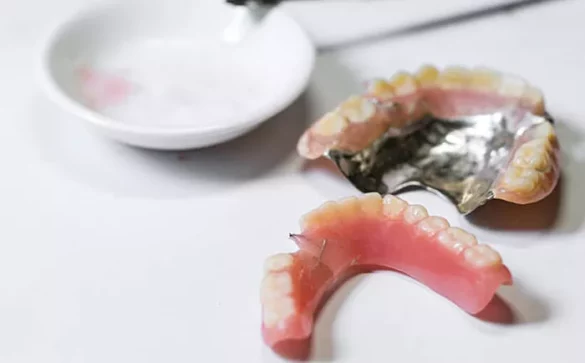
A dental flipper is a removable partial denture designed to temporarily replace missing teeth. It is often used while waiting for a permanent solution such as a dental implant or bridge. Dental flippers help maintain aesthetics, improve speech, and prevent teeth from shifting.
These appliances are lightweight, cost-effective, and easy to wear. However, their longevity varies depending on several factors. Understanding how long a dental flipper lasts can help patients plan for replacements and maintain oral health.
What Is a Dental Flipper Made Of?
Dental flippers are typically made of acrylic resin for the base and artificial teeth. The acrylic is flexible yet durable. Clasps made of metal or flexible materials help the flipper attach to surrounding teeth. The quality of these materials significantly impacts the lifespan of the flipper.
Acrylic Base
The acrylic base is lightweight and mimics the natural gum. Acrylic can wear down over time, especially with frequent removal and cleaning. High-quality acrylic lasts longer and resists discoloration.
Artificial Teeth
The teeth of a dental flipper are usually made from acrylic or composite resin. These materials are durable but can chip or stain over time. Careful cleaning and avoiding hard foods can extend their life.
Clasps and Attachments
Metal or flexible clasps secure the flipper in place. Repeated bending or stress can weaken these clasps, which may require repair or replacement to maintain fit and comfort.
Average Lifespan of a Dental Flipper
The lifespan of a dental flipper depends on material quality, oral habits, and oral health. On average, a dental flipper lasts from 6 months to 3 years. Most patients replace their flippers every 1 to 2 years for optimal performance and hygiene.
Short-Term Use
Some patients use dental flippers temporarily for a few months while waiting for a permanent restoration. In these cases, the flipper may only need to last for a short period.
Long-Term Use
Dental flippers can last several years with proper care. Regular maintenance, avoiding hard foods, and addressing any dental issues promptly can increase longevity.
Factors That Affect the Longevity of a Dental Flipper
Oral Hygiene
Poor oral hygiene can lead to gum disease, decay of adjacent teeth, and staining of the flipper. Cleaning both the flipper and natural teeth daily helps prolong the life of the appliance.
Frequency of Use
Wearing the flipper all day every day causes more wear and tear. Some patients remove it at night to reduce stress on the acrylic and clasps.
Dietary Habits
Eating hard or sticky foods can damage the flipper. Avoiding nuts, hard candies, and chewing ice can help maintain its shape and durability.
Fit and Adjustment
Changes in gum shape or tooth alignment can cause the flipper to fit poorly. Regular dental checkups allow adjustments to prevent discomfort and prolong use.
Material Quality
High-quality acrylic and durable artificial teeth increase the lifespan of a dental flipper. Cheaper materials may degrade faster, requiring more frequent replacements.
Signs That Your Dental Flipper Needs Replacement
Cracks or Chips
Visible damage to the flipper indicates it is time for a replacement. Cracks can harbor bacteria, increasing the risk of gum disease or decay of adjacent teeth.
Loose Fit
If the flipper feels loose, it can irritate gums and cause discomfort. This may result from gum shrinkage or tooth movement. A dentist can reline or replace the flipper for proper fit.
Discoloration or Staining
Over time, flippers may become discolored from foods, drinks, or smoking. While professional cleaning may help, persistent staining often requires a new flipper.
Oral Discomfort
Persistent sore spots or pain may indicate that the flipper no longer fits properly. Ignoring discomfort can lead to gum disease or sensitive teeth.
Proper Care to Extend Dental Flipper Life
Daily Cleaning
Clean your dental flipper daily using a soft toothbrush and mild soap or denture cleaner. Avoid toothpaste with harsh abrasives that can scratch acrylic.
Proper Storage
When not in use, store the flipper in water or a denture soaking solution to prevent drying and warping.
Avoid Hard Foods
Refrain from chewing hard foods that can crack the flipper or bend the clasps.
Regular Dental Visits
See your dentist every 6 months to check the flipper’s fit and inspect oral health. Addressing gum disease or sensitive teeth early prevents complications.
Risks of Using an Old or Damaged Dental Flipper
Gum Disease
An ill-fitting flipper can trap food and bacteria, increasing the risk of gum disease. Regular cleaning and timely replacement reduce this risk.
Tooth Decay
Flippers that do not fit properly may allow bacteria to reach adjacent teeth, causing decay or sensitivity.
Speech and Chewing Problems
Damage or poor fit can affect speech clarity and chewing efficiency. Replacing the flipper ensures normal function.
Comparing Dental Flippers to Other Temporary Solutions
Essix Retainers
Essix retainers are clear plastic devices that may replace one or more missing teeth temporarily. They are less bulky than flippers but may wear out faster.
Partial Dentures
Partial dentures are more durable than flippers but cost more. They are suitable for long-term temporary use while waiting for permanent restoration.
Temporary Bridges
Fixed temporary bridges provide stability but require adjacent teeth preparation. Flippers remain popular due to their non-invasive design.
When to Transition to a Permanent Solution
While dental flippers provide temporary comfort and aesthetics, permanent solutions such as dental implants, fixed bridges, or long-term partial dentures are recommended for long-term oral health. Transitioning prevents gum disease, maintains tooth alignment, and improves chewing efficiency.
Cost Considerations
Dental flippers are generally more affordable than permanent restorations. Costs vary depending on the number of teeth, materials, and the dental clinic. Proper care and timely replacement prevent additional expenses from repairs or complications.
Conclusion
Dental flippers are an effective temporary solution for missing teeth. On average, they last from 6 months to 3 years, depending on material quality, oral hygiene, and habits. Proper care, including cleaning, storage, and regular dental visits, can extend their lifespan. Patients should replace damaged or ill-fitting flippers promptly to avoid gum disease, sensitive teeth, and other oral complications. Consult your dentist to determine the best temporary or permanent solution for your needs.