


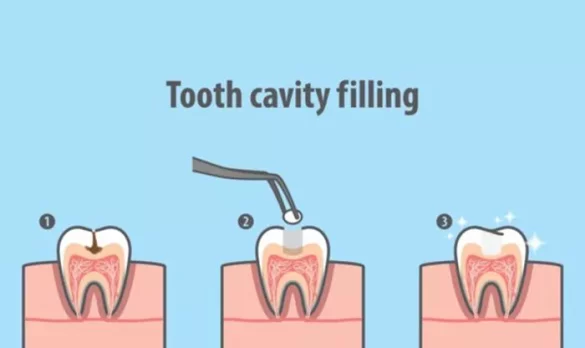
A cavity filling is one of the most common dental procedures used to treat tooth decay. Tooth decay occurs when plaque, a sticky film of bacteria, erodes the enamel. If untreated, decay can reach the inner layers of the tooth and cause pain or infection. Fillings restore the tooth’s structure and function. Understanding how long a cavity filling takes to heal helps patients manage discomfort and maintain oral health.
Immediate Effects After a Cavity Filling
After a dentist places a filling, it is common to experience minor discomfort. The surrounding gum tissue may feel tender, especially if the procedure required anesthesia. Temporary sensitivity to hot, cold, or pressure is normal. This sensitivity usually fades within a few days. However, in some cases, it can last for a few weeks.
Types of Fillings and Recovery Time
The type of filling material affects healing time and sensitivity:
Amalgam Fillings: These silver-colored fillings may take a few days for the tooth to adjust to the pressure. Some patients report mild soreness.
Composite Fillings: Tooth-colored fillings often allow immediate function. Sensitivity may last from a few days up to two weeks.
Gold Fillings: Rare but durable. Recovery is similar to amalgam fillings, with minor soreness possible.
Ceramic Fillings: Highly aesthetic but may require adjustments. Mild tenderness is normal during the first week.
Healing Process of a Cavity Filling
The healing process begins as soon as the filling is placed. The tooth itself does not “heal” in the same way soft tissue does, because enamel cannot regenerate. Instead, the surrounding tissues adjust to the new material.
Immediate Healing (First 24 Hours)
Immediately after a filling, it is common to feel numb due to anesthesia. As the numbness wears off, the patient may experience mild discomfort or pressure sensitivity. Eating soft foods and avoiding sticky or hard substances can help reduce irritation.
Short-Term Adjustment (2 to 7 Days)
During the first week, the tooth and gums continue to adapt. Sensitivity to temperature changes may be noticeable. Some people also experience slight gum irritation, which can be managed with gentle brushing and rinsing with saltwater or a dentist-approved mouthwash.
Long-Term Stabilization (Up to 2 Weeks)
By the end of two weeks, most patients report minimal discomfort. The filling has fully integrated with the tooth structure. Any lingering sensitivity is usually due to minor pressure from chewing or an uneven bite, which can be adjusted by the dentist.
Factors Affecting Healing Time
The healing period varies based on several factors:
Size and Depth of the Cavity
Larger or deeper cavities require more extensive treatment. These fillings may cause prolonged sensitivity as the tooth recovers from the removal of decay and preparation.
Type of Filling Material
As mentioned, composite fillings typically cause less post-operative discomfort compared to amalgam. However, some patients may react differently depending on their oral environment.
Oral Hygiene Practices
Good oral hygiene accelerates adjustment and prevents complications such as gum disease. Brushing gently, flossing, and using an antiseptic mouthwash can protect the filled tooth during the healing phase.
Bite Alignment
If a filling alters your bite, pressure on the tooth may cause prolonged soreness. Dentists often check and adjust the bite immediately, but minor adjustments may be needed after a few days.
Underlying Dental Conditions
Teeth affected by prior decay, gum disease, or sensitive teeth may require more time to stabilize. Patients with gum inflammation may experience tenderness around the filling until the gums heal.
Signs of Normal Healing
After a filling, the following signs indicate that the tooth is healing normally:
- Mild sensitivity to hot, cold, or pressure
- Temporary gum tenderness
- Slight discomfort during chewing
- No severe pain or swelling
When to Contact Your Dentist
Although most fillings heal without issues, certain symptoms require professional attention:
- Persistent pain beyond two weeks
- Sharp or throbbing pain when biting or chewing
- Swelling of the gums or face
- Sensitivity that worsens rather than improves
- Visible gaps or cracks in the filling
These issues could indicate an uneven bite, infection, or filling failure.
Tips for a Smooth Recovery
Follow these tips to promote healing and protect the tooth:
Eat soft foods for the first 24 hours.
Avoid sticky, hard, or extremely hot and cold foods that may irritate the tooth.
Maintain consistent oral hygiene using a soft-bristled toothbrush.
Rinse with a mild mouthwash or saltwater to reduce gum inflammation.
Monitor sensitivity and contact your dentist if it persists or worsens.
Preventing Future Cavities
Healing is only part of the process. Preventing new cavities is essential for long-term oral health. Patients should:
- Brush at least twice daily with fluoride toothpaste.
- Floss daily to remove plaque between teeth.
- Limit sugary and acidic foods.
- Visit the dentist regularly for check-ups and cleanings.
- Address gum disease promptly, as it can increase the risk of tooth decay.
Understanding Sensitive Teeth After Fillings
Sensitivity is common after fillings. It can manifest as discomfort to hot, cold, or sweet foods. Sensitive teeth occur because the tooth’s nerve endings are exposed to stimuli during the procedure. Usually, this sensitivity resolves within two weeks. Using toothpaste designed for sensitive teeth can reduce discomfort during recovery.
Conclusion
In summary, a cavity filling does not require the tooth itself to “heal,” but the surrounding tissues and nerve endings adjust over time. Recovery typically takes a few days to two weeks, depending on the size of the filling, type of material, bite alignment, and oral hygiene. Mild sensitivity and gum tenderness are normal, while persistent pain should be evaluated by a dentist. Maintaining good oral care and monitoring your filled tooth ensures a smooth recovery and reduces the risk of future decay or gum disease.