


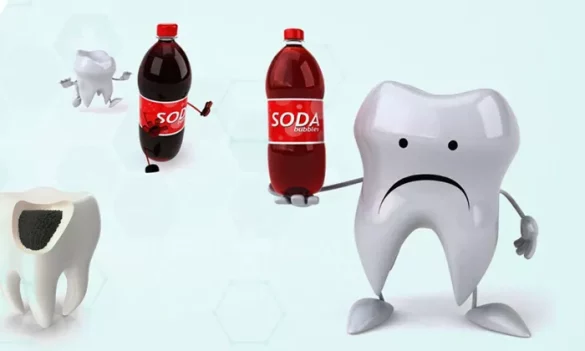
Tooth decay, also known as dental caries, is a common dental problem that affects people of all ages. It occurs when the hard surface of the teeth, the enamel, is damaged due to acids produced by bacteria in the mouth. If left untreated, tooth decay can lead to sensitive teeth, pain, and even gum disease. Understanding what causes tooth decay is essential for preventing it and maintaining good oral health.
The Role of Acid in Tooth Decay
The primary agent behind tooth decay is acid. But not all acids are harmful in the same way. In the oral environment, acid is produced mainly by bacteria as they break down sugars from food. This acid gradually erodes the enamel, the protective outer layer of the tooth, eventually causing cavities. The continuous presence of acid in the mouth can lead to weakened enamel and increased sensitivity.
Types of Acid Produced in the Mouth
There are several acids that can affect dental health, but the most significant in causing tooth decay are organic acids.
These include:
Citric acid: Found naturally in fruits and juices, it can lower the pH of the mouth temporarily.
Lactic acid: Produced by bacteria metabolizing sugars, it is the main acid responsible for enamel erosion.
Acetic acid: Formed during bacterial fermentation, it also contributes to enamel demineralization.
Lactic Acid: The Main Culprit
Lactic acid is the primary acid that causes tooth decay. It is produced by Streptococcus mutans and other acidogenic bacteria that feed on carbohydrates in the diet. When sugar is consumed, these bacteria break it down and release lactic acid as a byproduct. This acid lowers the pH in the mouth, leading to the dissolution of calcium and phosphate in the enamel, a process known as demineralization. Over time, this weakens the tooth structure and forms cavities.
How Acid Affects Enamel and Dentin
The enamel is the hardest substance in the human body, yet it is vulnerable to acid attacks. When the pH in the mouth drops below 5.5, demineralization begins. Prolonged exposure to acid can penetrate the enamel and reach the dentin, the softer layer beneath, causing sensitivity and increasing the risk of gum disease due to bacterial growth around weakened teeth.
Demineralization Process
Demineralization occurs when acids dissolve minerals like calcium and phosphate from the enamel. This process is reversible if proper oral hygiene and fluoride use are implemented. Fluoride can help remineralize enamel and protect teeth from acid damage.
Dentin Exposure and Sensitive Teeth
When enamel erosion reaches the dentin, teeth become highly sensitive to temperature changes, sweets, and acidic foods. Sensitive teeth can be painful and affect daily activities like eating and drinking. Protecting enamel is essential to prevent dentin exposure and maintain comfort.
Sources of Acid in the Mouth
Acid in the mouth comes from two main sources: dietary intake and bacterial activity. Understanding these sources can help in managing tooth decay.
Dietary Sources
Certain foods and drinks contain acids that can weaken enamel. Examples include:
- Citrus fruits like oranges and lemons
- Carbonated drinks and sodas
- Wine and vinegar-based foods
- Processed foods with added sugars
While these foods are not the primary cause of cavities, frequent consumption can contribute to enamel erosion over time.
Bacterial Sources
The main source of acid in the mouth is bacterial metabolism. Bacteria like Streptococcus mutans and Lactobacillus thrive on sugars and starches left on teeth after meals. Their metabolic byproducts, primarily lactic acid, lower the pH and trigger enamel demineralization. Plaque buildup around the gum line can also lead to gum disease if not removed regularly.
Factors Increasing Acid Production
Several factors can increase acid production in the mouth, accelerating tooth decay:
High sugar diet: More sugar leads to more acid-producing bacteria.
Poor oral hygiene: Plaque accumulation allows bacteria to thrive.
Dry mouth: Saliva helps neutralize acid; reduced saliva increases decay risk.
Frequent snacking: Constant sugar supply keeps acid levels high.
Symptoms of Acid-Related Tooth Decay
Early detection of tooth decay can prevent serious dental problems. Signs include:
- White or brown spots on teeth
- Tooth sensitivity to hot, cold, or sweet foods
- Visible holes or pits in teeth
- Bad breath due to bacterial activity
- Gum inflammation or bleeding, a sign of gum disease
Preventing Acid Damage and Tooth Decay
Preventing tooth decay involves reducing acid exposure and enhancing enamel resistance. Effective strategies include:
Good Oral Hygiene
Brushing twice a day with fluoride toothpaste and flossing daily removes plaque and food particles, reducing acid production. Mouth rinses containing fluoride or antibacterial agents can further protect teeth from decay and prevent gum disease.
Dietary Management
Limiting sugar intake and acidic foods can significantly reduce acid attacks. Drinking water after meals helps wash away sugars and acids. Chewing sugar-free gum stimulates saliva production, which neutralizes acids and promotes remineralization.
Regular Dental Checkups
Visiting a dentist every six months allows early detection of cavities and enamel erosion. Professional cleanings remove hardened plaque, known as tartar, that cannot be removed by brushing alone. Dentists can also apply fluoride varnishes or dental sealants for added protection.
Fluoride and Enamel Strengthening
Fluoride strengthens enamel by incorporating into the tooth structure, making it more resistant to acid attacks. Using fluoride toothpaste, mouthwash, or receiving professional fluoride treatments can help prevent cavities and tooth sensitivity.
Treatment Options for Acid-Induced Tooth Decay
If tooth decay occurs, timely treatment is essential to prevent further damage. Options include:
Dental Fillings
For small cavities, dentists remove decayed enamel and fill the space with materials such as composite resin, amalgam, or glass ionomer. Fillings restore tooth function and prevent further acid damage.
Dental Crowns
For extensive decay that weakens the tooth, a dental crown may be necessary. Crowns cover the entire tooth, providing strength and protection from further acid erosion.
Root Canal Therapy
If decay reaches the tooth pulp, causing infection, a root canal is required. The dentist removes the infected tissue, cleans the canals, and seals the tooth to prevent bacterial and acid-related damage.
Addressing Sensitive Teeth
Treatment for sensitive teeth caused by enamel erosion may include desensitizing toothpaste, fluoride treatments, or protective dental procedures to cover exposed dentin and reduce pain.
Conclusion
Tooth decay is primarily caused by lactic acid produced by bacteria in the mouth. Acid attacks weaken enamel, expose dentin, and lead to sensitive teeth and potential gum disease. Prevention focuses on maintaining good oral hygiene, managing diet, and regular dental care. Fluoride and timely dental interventions are essential in protecting teeth from acid damage and preserving oral health.