


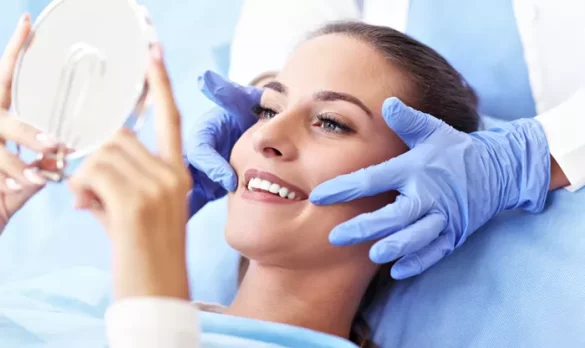
Dental tourism is emerging as the latest frontier in South Korea’s expanding K-medical ecosystem. After K-beauty, K-content, and K-food, dental clinics are now riding the new wave of global interest in Korean culture.
The worldwide fascination with K-pop and Korean entertainment is extending beyond music and TV. Visitors are increasingly seeking immersive experiences in South Korea’s beauty and medical service industries. Skincare and plastic surgery remain popular, but dental care is now attracting significant attention.
Data from Creatrip, an inbound travel information provider, shows foreign spending on dental services in South Korea surged 588% in the third quarter compared to the same period last year. The growth is driven by the appeal of high-quality medical services at costs lower than in North America. Many international patients find Korean dental care both advanced and affordable, even after factoring in travel expenses.
Diversifying Customer Base
While Asia and the United States remain core markets, new patient groups are emerging from Turkey, Australia, and various European countries. In 2024, the number of dental clinics catering to foreign patients rose 26% year-on-year, and total foreign dental visits increased 16%, according to the Ministry of Health and Welfare and the Korea Health Industry Development Institute. European spending on dental services jumped 565%, while North American spending exploded by 3,478%, the highest growth among all regions.
A Wave of Cultural Curiosity
Unlike short-term vacations, dental tourism often involves longer stays and higher spending. This trend positions the sector as a promising driver of economic growth. Between January and August 2024, approximately 12.38 million foreign visitors arrived in South Korea, a 16% rise from last year and above pre-pandemic 2019 levels.
The surge is partly fueled by the global popularity of Korean entertainment. The Netflix animated film KPop Demon Hunters, released in June, drew international fans eager to experience Korean culture in person. Visitors now explore more than hanbok try-ons or palace tours. Many sample local street foods, shop at beauty chain Olive Young or the dollar store Daiso, and imitate daily routines of Korean locals.
Celebrity influence also plays a role. Kim Kardashian, with 350 million Instagram followers, visited a Seoul dermatology clinic in August, drawing international attention to Korean medical services.
Government data highlight the scale of this trend. From 2020 to 2024, the number of foreign patients treated in South Korean medical clinics grew tenfold, from 117,069 to 1.17 million. In the first half of 2024 alone, value-added tax refunds for cosmetic and aesthetic treatments reached 82.6 billion won ($60 million), nearly matching last year’s record 99.5 billion won. While dermatology and plastic surgery account for most visits, dental care is rising steadily, representing 3.9% of foreign medical spending.
As K-culture continues to captivate global audiences, South Korea’s dental clinics are poised to become the next shining symbol of the Korean Wave, combining innovation, affordability, and a touch of cultural allure.