


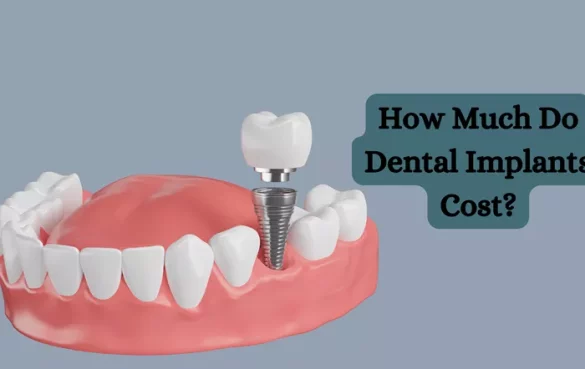
Dental implants are a long-term solution for missing teeth. They provide support for crowns, bridges, or dentures and help maintain jawbone health. For patients experiencing sensitive teeth or gum disease, implants can be a safer alternative to removable dentures. Understanding the cost of dental implants in Nebraska is essential for planning effective dental care.
Factors Influencing Dental Implant Costs
Type of Implant
Implants vary in type, including single-tooth implants, multiple-tooth implants, and full-arch implants. Single-tooth implants are generally less expensive, while full-arch restorations require more materials and procedures, raising the overall cost.
Material of the Implant
The material used for the implant, such as titanium or zirconia, affects the price. Titanium is commonly used and durable, while zirconia implants are metal-free and more aesthetic but usually more expensive.
Pre-Surgical Procedures
Patients with gum disease or insufficient jawbone may require preparatory procedures, including bone grafts or sinus lifts. These procedures can increase the total cost significantly.
Location of the Dental Clinic
Dental implant costs vary across Nebraska cities. Clinics in urban areas like Omaha or Lincoln may charge more due to higher operating costs, whereas rural clinics may offer slightly lower prices.
Experience of the Dentist
Highly experienced implantologists may charge premium fees. Their expertise often translates to a higher success rate and fewer complications, which can save money in the long run.
Average Cost of Dental Implants in Nebraska
On average, a single dental implant in Nebraska ranges from $3,000 to $6,000. This estimate includes the implant post, abutment, and crown. Full-mouth restorations can exceed $30,000 depending on complexity and materials used. Patients should discuss detailed treatment plans with their dentists to understand all costs involved.
Insurance and Financing Options
Insurance Coverage
Many dental insurance plans partially cover implant procedures, especially if tooth loss affects oral function. Coverage often depends on whether the procedure is deemed medically necessary. Patients should check their plans carefully.
Financing Plans
Many dental clinics in Nebraska offer financing plans, allowing patients to pay for implants over time. Options may include monthly installment plans, medical credit cards, or in-house financing to make the treatment more accessible.
Benefits of Dental Implants
Improved Oral Health
Dental implants prevent bone loss and maintain the structure of the jaw. Unlike dentures, implants do not put pressure on surrounding teeth, which is especially beneficial for patients with sensitive teeth.
Durability and Longevity
Implants are designed to last many years, often decades, with proper oral hygiene. This long-term investment can reduce costs associated with repeated dental procedures.
Enhanced Appearance and Function
Implants look and function like natural teeth. They restore chewing ability and improve speech, contributing to overall quality of life.
Risks and Considerations
Possible Complications
While dental implants have a high success rate, risks include infection, implant failure, or complications related to gum disease. Patients should discuss potential risks with their dentist before proceeding.
Maintenance Requirements
Implants require daily oral hygiene, including brushing, flossing, and regular dental check-ups. Patients with sensitive teeth should take extra precautions to avoid irritation around the implant site.
Comparing Dental Implants with Other Tooth Replacement Options
Dental Bridges
Bridges are a less invasive alternative to implants but may require altering adjacent healthy teeth. They usually cost less initially but may need replacement every 5–10 years.
Removable Dentures
Dentures are generally more affordable but can cause discomfort and contribute to bone loss over time. Implants offer a more stable and long-term solution, especially for patients with sensitive teeth.
Choosing the Right Dentist in Nebraska
Qualifications and Experience
Select a dentist with extensive experience in implantology. Board certification and continuing education in implant dentistry are indicators of expertise.
Patient Reviews and Testimonials
Reading reviews from previous patients can help gauge the quality of care, success rates, and overall satisfaction with dental implant procedures.
Clinic Facilities and Technology
Modern dental clinics use advanced imaging and surgical technologies to improve implant accuracy and outcomes. Clinics with state-of-the-art equipment often provide better results.
Tips for Reducing Dental Implant Costs
Consider Dental Tourism
Some patients travel to nearby states or even internationally for lower-cost implants. However, follow-up care and quality should be carefully evaluated.
Use Insurance Wisely
Maximize insurance benefits by coordinating with your dental provider and understanding coverage limits. Some plans cover preparatory procedures that reduce overall out-of-pocket expenses.
Discuss Payment Plans
Many clinics offer payment plans that spread the cost over several months, making treatment more affordable without compromising quality.
Conclusion
Dental implants in Nebraska are a valuable investment in oral health, particularly for patients with sensitive teeth or gum disease. Costs vary based on the type of implant, pre-surgical needs, and clinic location. Understanding these factors, along with insurance and financing options, helps patients make informed decisions. Choosing a skilled dentist and maintaining proper oral hygiene ensures long-term success and improved quality of life.