


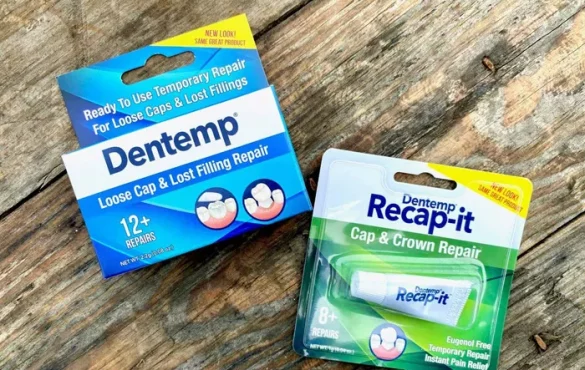
Dentemp is a popular temporary dental filling material. It is widely used for relieving tooth pain, covering cavities, or protecting teeth after minor dental procedures. Many patients rely on Dentemp when they cannot immediately visit a dentist. Understanding how long it lasts is crucial for safe and effective dental care.
What is Dentemp?
Dentemp is a soft, moldable material designed for temporary use in the mouth. It is often made of zinc oxide, eugenol, or similar compounds. Its purpose is to provide short-term protection to a tooth while preventing further damage or sensitivity.
Composition of Dentemp
The main components of Dentemp include:
- Zinc Oxide: Provides structural support and reduces sensitivity.
- Eugenol: Offers mild analgesic properties to relieve pain.
- Other Additives: May include resins or fillers to improve consistency and ease of application.
Purpose of Dentemp
Dentemp is primarily used for:
- Temporary relief of toothache
- Filling minor cavities temporarily
- Protecting a tooth between dental visits
- Covering exposed dentin or cracked teeth
Factors Affecting the Longevity of Dentemp
The duration Dentemp lasts in a tooth is not fixed. Several factors influence its effectiveness and how long it remains intact.
Location of the Tooth
Molars and premolars experience more pressure from chewing than front teeth. Dentemp in these areas may wear away faster due to higher biting forces.
Size and Depth of the Cavity
Larger cavities require more material. In deeper cavities, Dentemp may last slightly longer, but excessive pressure can cause it to dislodge.
Eating and Chewing Habits
Hard, sticky, or chewy foods can reduce the lifespan of Dentemp. Frequent consumption of such foods can dislodge or wear down the temporary filling quickly.
Oral Hygiene Practices
Brushing aggressively or using abrasive toothpaste may wear down Dentemp faster. Gentle brushing and avoiding vigorous flossing around the temporary filling can prolong its duration.
Saliva and Moisture Levels
Excessive saliva or very dry conditions in the mouth can affect Dentemp adhesion. Moisture helps the material stay in place, but too much saliva can gradually dissolve it.
Average Duration of Dentemp
On average, Dentemp lasts between 1 to 7 days. However, this duration is highly variable depending on the factors mentioned above.
Short-Term Use
For minor cavities or temporary protection, Dentemp may last only 24 to 48 hours. Patients should see a dentist promptly to avoid complications.
Extended Use
In ideal conditions, Dentemp may remain intact for up to one week. However, it is not recommended to use Dentemp as a permanent solution, as prolonged use can lead to further tooth decay or sensitivity.
Signs that Dentemp Needs Replacement
Knowing when Dentemp is no longer effective is important to prevent tooth damage.
Dislodged or Loose Material
If Dentemp falls out or becomes loose, the tooth is exposed again and at risk of infection or sensitivity.
Increased Pain or Sensitivity
Persistent pain or sensitivity can indicate that Dentemp is no longer protecting the tooth properly.
Visible Wear or Cracks
Cracks or significant wear in the material mean it is time to replace Dentemp or see a dentist.
Proper Application of Dentemp
Correct application can maximize Dentemp’s effectiveness.
Step 1: Clean the Tooth
Remove any food debris or plaque from the tooth. Use gentle brushing or rinse with water before applying Dentemp.
Step 2: Mold the Material
Take a small portion of Dentemp and mold it into a shape that fits the cavity. Ensure it covers all exposed areas but does not overfill.
Step 3: Place in the Tooth
Press Dentemp gently into the cavity, making sure it adheres to the tooth surfaces. Avoid forcing it deeply, as this can cause discomfort.
Step 4: Check Occlusion
Close your mouth gently to ensure Dentemp does not interfere with your bite. Adjust if necessary.
Precautions and Limitations
Dentemp is not a permanent dental solution. It provides temporary relief and protection but cannot replace professional dental treatment.
Avoid Prolonged Use
Using Dentemp for weeks or months can trap bacteria and worsen decay. Always schedule a dental visit as soon as possible.
Allergic Reactions
Some patients may be sensitive to eugenol or other ingredients. Discontinue use if irritation or swelling occurs.
Not Suitable for Large Cavities
Extensive decay or broken teeth cannot be effectively treated with Dentemp alone. A dentist may recommend a permanent filling, crown, or other intervention.
Alternatives to Dentemp
Several temporary dental materials offer similar benefits:
Temporary Dental Cement
Used for crowns or fillings temporarily, offering stronger adhesion than Dentemp in some cases.
Clove Oil or Eugenol Gel
Provides temporary pain relief but does not fill cavities effectively.
Over-the-Counter Pain Relievers
Can alleviate discomfort but do not protect the tooth structurally.
When to See a Dentist
Dentemp should only be a short-term solution. Visit a dentist if:
- The temporary filling dislodges or breaks
- Pain persists beyond a few days
- There is swelling, infection, or bleeding
- You have large or deep cavities
Conclusion
Dentemp is a useful temporary solution for minor dental issues. It typically lasts from 1 to 7 days depending on tooth location, chewing habits, and oral hygiene. Proper application and timely dental care ensure that your tooth remains protected while awaiting permanent treatment. Always remember that Dentemp is not a replacement for professional dental care.