


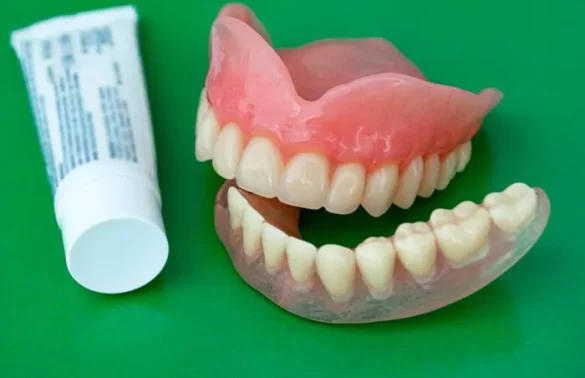
For denture wearers using soft liners, choosing the right adhesive is crucial. Soft liners cushion gums, but not all adhesives bond well to them. The wrong adhesive may fail to stick or degrade the liner. In this guide, I will explain six of the top denture adhesives in 2025 that work well with soft liners. I will cover what makes a good adhesive, compare key products, and give practical advice.
What Makes a Good Adhesive for Soft Liners?
When choosing adhesives for dentures with soft liners, there are special factors to consider. Soft liners are typically made of silicone or thermoplastic materials. The adhesive must bond sufficiently to that surface without damaging it. Below are important criteria:
- Compatibility: Adhesive should be able to bond to soft-liner materials (e.g., silicones, thermoplastics).
- Comfort: It should not irritate gums or degrade the soft liner’s cushioning effect.
- Durability: Long hold time is helpful, so patients don’t need to reapply frequently.
- Safety: Non-toxic, preferably zinc-free to avoid excess ingestion risk.
- Stability: The adhesive should resist breakdown from moisture, saliva, and routine cleaning.
Top 6 Denture Adhesives for Soft Liners in 2025
Here are six highly recommended denture adhesives that perform well with soft liners, based on recent reviews, clinical guidance, and product data.
1. Dentemp Sof‑Grip is a thermoplastic adhesive designed for extended hold. It softens with warm water and molds to your gums, acting like a soft liner itself. Because it’s thermoplastic, it’s more flexible and comfortable on soft-lined dentures.
Key Strengths:
- Long wear: one application can last several days depending on use.
- Waterproof: resists breakdown from moisture or cleaning.
- Gentle: because it acts like a cushion, it’s less likely to cause sores.
- Zinc-free: safer for regular use without risk of excess zinc exposure.
Considerations: It must be warmed to apply, which can be slightly inconvenient. Also, removal at the end of its wear period may require soaking dentures, but this is a trade‑off for its long hold.
2. This is a Japanese version of a thermoplastic denture adhesive. It offers a soft-relining effect, molding to the gums and maintaining cushioning for days.
Key Strengths:
- Lasting hold: designed to maintain grip for multiple days.
- Flexible: soft and comfortable under pressure.
- Water resistance: stays put through cleaning and wear.
- Easy to remove: thermoplastic nature means you can soften it again for removal.
Considerations: As with all thermoplastics, it may require conditioning (warm water) before application. Patients must be careful when removing not to damage the soft liner underneath.
3. SeaBond Seals are thin adhesive strips that stick onto the denture base. They are a popular choice for ease of use and clean removal.
Key Strengths:
- No paste mess: the strip format avoids gooey residue.
- Gentle: because of its design, it is less likely to degrade a soft liner’s surface significantly.
- Water-resistant and reliable: provides steady hold without dissolving quickly.
- Zinc-free versions available, which is safer for daily use.
Considerations: The seal must be trimmed precisely to fit the denture base. Some users report that on very soft liners, the seal may not adhere as strongly, so correct placement is essential.
4. Poligrip is a well-known adhesive brand. The “Ultra” fixative cream has a strong hold, and when used carefully, it can work with soft liners.
Key Strengths:
- Powerful bonding: excellent retention for dentures that tend to move.
- Widespread availability: easy to find from many pharmacies.
- Versatile: can be used for a variety of denture types, including soft relined ones (with caution).
Considerations: Cream adhesives may leave residue, and some users with soft liners report difficulty removing stubborn adhesive. Frequent cleaning is important. Also, overdosing can reduce comfort or damage liners.
5. Fixodent powder is a classic choice. It’s applied dry and provides a secure hold without too much mess.
Key Strengths:
- Minimal residue: powder typically leaves less mess than paste.
- Good hold: especially when combined with a damp liner or other adhesive.
- Gentle on liners: since it’s not thick glue, it can be less likely to degrade soft liners.
- Easier cleanup: easier to rinse or wipe off than heavy creams.
Considerations: It may not hold as long as the thermoplastic adhesives. Also, powder can be dusty on application, and our soft liner must be slightly damp (but not wet) when applying for best adhesion.
6. Comfort Grip is a thermoplastic “cushion liner” that acts very much like a soft reliner. It is designed for up to 7-day wear. Because it’s essentially a liner, it often bonds well with soft relined dentures and provides both cushion and hold.
Key Strengths:
- Extended wear: up to a week of effective grip, depending on conditions.
- Good comfort: feels pillow-like and helps relieve sore spots.
- Waterproof: resists breaking down in water or saliva.
- Zinc-free and soft: safe for regular use without harming the liner.
Considerations: As with other thermoplastic products, you must carefully control temperature when applying and removing. If overheated, it may deform or damage the underlying soft liner.
Clinical Guidance for Using Adhesives with Soft Liners
Pre‑Application Checklist
Before applying any adhesive to a soft-lined denture, follow these steps to ensure safety and maximize effectiveness:
Clean the denture and liner thoroughly to remove old adhesive, food debris, or biofilm.
Dry the area where adhesive will go: moisture interferes with bonding.
If using thermoplastic adhesives like Cushion Grip or Comfort Grip, warm the tube or liner gently in hot water, per manufacturer instructions.
Trim strips or shape paste carefully to match the surface of the liner and avoid overflow.
Application Technique
Proper application is vital to ensure the adhesive works well and does not harm the soft liner.
Apply a thin, even layer: too much adhesive can interfere with fit and comfort.
Insert the denture gently but firmly: hold it in position until the adhesive cures (if required).
For thermoplastics, allow the material to cool fully before biting hard or removing the dentures.
Check for excess adhesive; if any overflows, clean it off carefully to prevent irritation or buildup.
Removal and Maintenance
Removing adhesive properly helps preserve the soft liner and extends its life:
Use warm (not boiling) water to soften thermoplastic adhesives for removal. For strip adhesives, gently peel off.
Clean the liner gently using a soft brush; avoid aggressive scrubbing that can damage the surface.
Inspect the soft liner regularly: look for wear, peeling, or breakdown where adhesive was used.
If the liner degrades, consult your dentist for possible reline or replacement.
Safety and Precautions
When using adhesives with soft liners, patients and clinicians should watch out for these issues:
Zinc Toxicity Risk
Some traditional adhesive creams contain zinc. Overuse, especially with frequent reapplication, may increase the risk of zinc ingestion. For patients who rely on adhesive every day, zinc-free options (like many thermoplastic adhesives) are often safer.
Soft Liner Degradation
Incorrect adhesive or poor removal technique can degrade soft liners over time. For example, silicone-based liners may be sensitive to certain chemical adhesives. Thermoplastic adhesives, if overheated, may distort the liner or bond too strongly, making removal hard. Always follow manufacturers’ guidance and check compatibility.
Oral Irritation
Some adhesives contain alcohol or other agents that can irritate gums, especially if applied excessively. Patients with sensitive tissues should monitor for soreness and talk to their dentist if they experience discomfort or burning.
Biofilm and Hygiene
Adhesive residue can promote bacterial biofilm formation. Poor hygiene can lead to odor, staining, or fungal growth. Regular cleaning and careful removal of adhesive help reduce these risks.
How to Choose the Right Adhesive for You
Each patient’s needs vary. Here is how to decide which adhesive may work best with your soft-lined dentures:
Consider liner material: If your liner is very soft or silicone-based, thermoplastic adhesives (like Cushion Grip or Comfort Grip) may bond more effectively without damaging it.
Evaluate your wear pattern: If you remove and reinsert your dentures daily, a strip adhesive like SeaBond may be more convenient. For multi-day hold, thermoplastic options are better.
Health concerns: If you have concerns about zinc or chemical sensitivity, pick a mild, zinc-free adhesive.
Manual dexterity: If you have limited hand strength, avoid adhesives that require intricate mixing or precise strip placement.
Professional advice: Always talk with your dentist or prosthodontist. They can check the surface of your liner, recommend bonding methods, and reline if needed instead of overusing adhesive.
Conclusion
Soft-lined dentures provide comfort and cushioning, but they also challenge adhesive selection. In 2025, the six products listed above stand out for their compatibility, safety, and performance.
If you are using a silicone or thermoplastic liner, thermoplastic adhesives like Dentemp Sof‑Grip, Tough Grip / Cushion‑Grip, or Comfort Grip offer excellent hold and cushion without damaging the liner. For those who prefer easier application or gentler options, SeaBond Seals and Fixodent Powder are viable. If strong cream adhesion is needed, Poligrip Ultra Fixative Cream may work, but care should be taken to avoid liner damage.