


Gum surgery is a common dental procedure used to treat various conditions such as periodontal disease, gum recession, or after tooth extraction. During surgery, dentists often place stitches to hold the gum tissue in place. These stitches help with proper healing, reduce bleeding, and protect the surgical site from infection. Patients often worry about whether removing these stitches will be painful. Understanding the healing process and what to expect can help reduce anxiety and improve post-surgical care.
Why Stitches Are Used in Gum Surgery
Stitches, also known as sutures, serve multiple purposes in gum surgery:
Stabilization: Stitches hold the gum tissue in place, promoting proper alignment and reducing the risk of tissue displacement.
Hemostasis: They help control bleeding and allow blood clots to form, which is essential for healing.
Protection: Stitches protect the surgical site from bacteria, food particles, and mechanical irritation.
Faster Healing: Properly placed stitches allow the gum tissue to heal more efficiently, reducing the overall recovery time.
Types of Stitches Used in Gum Surgery
Dental stitches can be broadly categorized into two types: absorbable and non-absorbable.
Absorbable Stitches
Absorbable stitches dissolve on their own over time. They do not require removal. This type is often made from materials like polyglycolic acid or catgut. Patients may not feel discomfort when the stitches dissolve naturally. However, slight irritation or sensitivity can occur as the tissue adjusts.
Non-Absorbable Stitches
Non-absorbable stitches must be removed by a dentist or oral surgeon. These stitches are commonly made from nylon or silk. Because the tissue has healed enough to hold itself in place, removal is generally quick and straightforward. Many patients wonder if this process causes pain, which we will explore in detail.
The Healing Timeline of Gum Surgery
Healing after gum surgery follows a predictable timeline, although individual recovery can vary depending on the type of surgery, overall health, and oral hygiene habits.
First 24 to 48 Hours
Immediately after surgery, patients often experience bleeding, swelling, and discomfort. Pain is usually managed with prescribed or over-the-counter medications. Stitches are crucial during this period to maintain tissue position and minimize complications.
First Week
Swelling and discomfort typically peak within the first few days. Eating soft foods and maintaining oral hygiene with gentle rinses help reduce irritation. Stitches remain important for protecting the site as initial healing occurs.
Two Weeks
By the second week, gum tissue begins to firm up. Non-absorbable stitches are often scheduled for removal during this period. The tissue is strong enough to hold its position without support, and bleeding is minimal.
Four Weeks and Beyond
Complete healing can take several weeks to months, depending on the procedure. At this stage, any remaining swelling and tenderness should resolve, leaving healthy, stable gum tissue.
Does Removing Gum Stitches Hurt?
Most patients experience minimal discomfort during stitch removal. The procedure is quick and usually performed in a dental office under gentle techniques.
Factors Affecting Pain
Type of Stitch: Absorbable stitches generally cause no pain since they dissolve. Non-absorbable stitches may cause mild pinching or pulling sensations.
Healing Stage: If the tissue has healed well, removal is easier and less painful. Early removal may increase discomfort.
Suture Material: Some materials cause less irritation, while others may stick slightly to the tissue, causing minor pulling sensation.
Patient Sensitivity: Pain perception varies. Some patients report a brief sting, while others feel only pressure.
Step-by-Step of Stitch Removal
The process of removing non-absorbable stitches typically follows these steps:
The dentist examines the site to ensure proper healing.
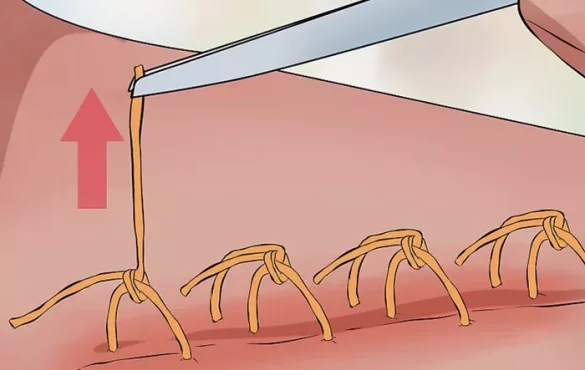
Using sterile tools, the dentist carefully cuts the stitch close to the gum surface.
The stitch is gently pulled out, minimizing tissue trauma.
The site is rinsed and checked for any bleeding or irritation.
Most patients describe the sensation as a quick pinch or slight tug. Pain is generally brief and tolerable.
Tips to Minimize Discomfort
Take Pain Medication: If prescribed, taking medication 30 minutes before removal can help.
Relaxation Techniques: Deep breathing or listening to music can reduce anxiety.
Soft Diet: Eating soft foods after removal prevents irritation.
Gentle Oral Hygiene: Avoid aggressive brushing near the site for a day or two.
Post-Removal Care
After stitches are removed, proper care ensures continued healing and prevents infection.
Rinsing and Cleaning
Use a mild antiseptic mouth rinse or warm salt water to keep the area clean. Avoid vigorous swishing that may irritate the tissue.
Avoiding Irritants
Spicy foods, alcohol, and smoking can delay healing and should be avoided for a few days after removal.
Monitoring for Complications
Watch for excessive bleeding, swelling, or signs of infection such as pus. Contact your dentist immediately if these occur.
When to See a Dentist
Even after stitch removal, follow-up visits are important. Your dentist may want to check the healing progress and address any concerns. Early detection of problems ensures faster recovery and better gum health.
Psychological Factors and Pain Perception
Anxiety about dental procedures can amplify perceived pain. Patients who are informed and prepared often report less discomfort. Understanding the process, knowing what to expect, and having clear communication with your dentist can reduce stress and make the experience more comfortable.
Common Myths About Stitch Removal
Many patients have misconceptions about stitch removal, which can increase fear:
- Myth: Removing stitches is very painful.
Fact: Most patients feel only mild discomfort. - Myth: Stitches must stay longer than necessary.
Fact: Dentists remove stitches at the optimal time for healing. - Myth: Pain after removal is severe.
Fact: Post-removal discomfort is usually brief and minor.
Conclusion
Removing stitches from gums is generally a quick and minimally painful process. The level of discomfort depends on factors such as stitch type, healing stage, and individual sensitivity. With proper care, post-removal recovery is smooth, and patients can enjoy healthy gums after surgery. Understanding the procedure, preparing mentally, and following post-removal instructions help ensure a comfortable experience and successful healing.